

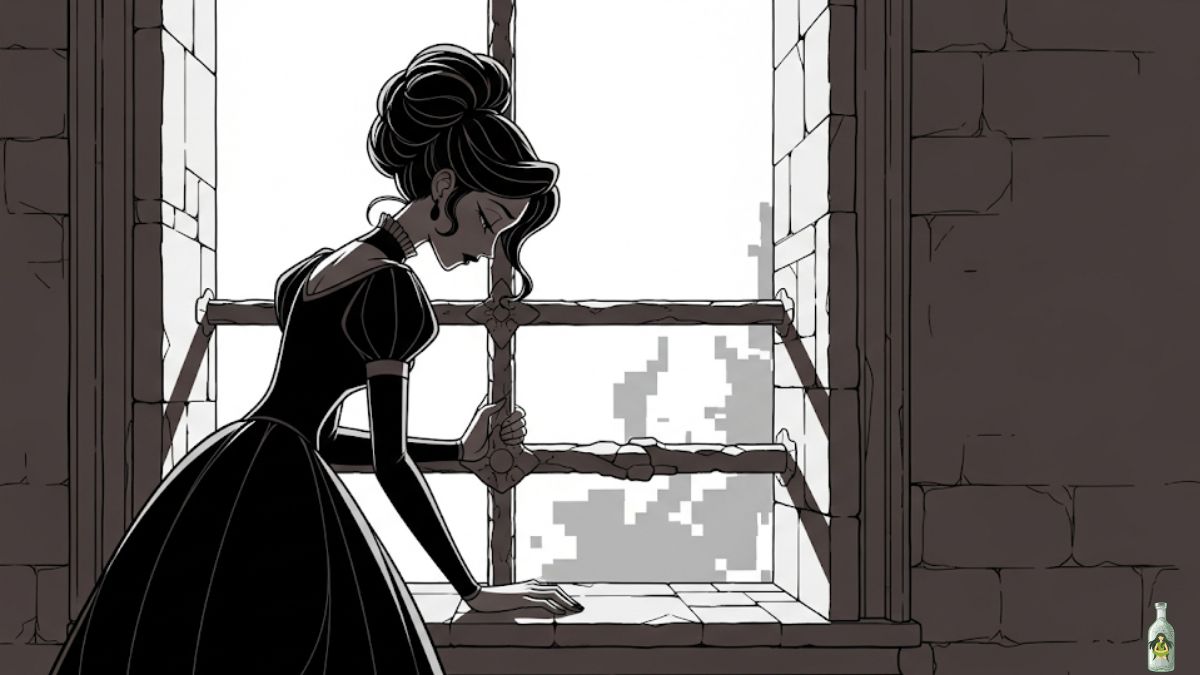
It started with a princess locked in a castle. She did not speak. She did not fight. She simply waited.
Decades later… women in games are no longer silent or sidelined. They lead revolutions, survive disasters, and even carry the weight of entire storylines.
Gaming has clearly evolved. Characters like Aloy from Horizon, Ellie from The Last of Us, and Senua from Hellblade have shown that women can be powerful, complex, and central to the experience. These titles have proven that well-written female characters not only belong in games but can define them.
But despite this progress, many parts of the industry still treat women as little more than decoration. It is not just misleading mobile ads or suggestive cover art. Some games themselves continue to feature degrading content, reducing female characters to trophies, background props, or objects of fantasy. Instead of portraying them as heroes like any male character, they are designed as tools to attract attention, often through exaggerated appearances or submissive roles.
So, the real question is, if the medium itself is capable of successfully portraying women with respect and character depth, then why do so many games still play this dirty stereotyping tactic?
A Look Back at Gaming’s History With Women
In the early days of video games, female characters existed mostly as plot devices. Princess Peach (Super Mario), Zelda (The Legend of Zelda), and countless nameless damsels were often silent, passive figures awaiting rescue.

Nonetheless, there were a few rare exceptions that defied this trend. One of the most revolutionary was Samus Aran in Metroid (1986). Throughout the majority of the game, players believed Samus to be male, only to find out at the conclusion that the galaxy’s formidable bounty hunter was actually a woman. This understated yet impactful twist presented one of the first instances of a robust, self-sufficient female lead, who was neither sexualized nor constrained by another’s narrative.
As technology developed and games took on a more cinematic quality, women began to show up more often, though not necessarily with greater depth. The industry just exchanged helplessness for hypersexualization. Characters like Lara Croft (in her early days of Tomb Raider) were formidable and playable, yet still created through the male gaze.
If video games can innovate with mechanics, world-building, and AI, then relying on provocative female bodies to draw downloads is not just outdated, it’s lazy!
The Marketing Disconnect
While many games now include rich, respectful portrayals of women in gameplay, their marketing often tells a different story.

Just scroll through mobile ads or social media game promotions. You’ll likely see:
- Women seductively asking players to “save” them
- Fake gameplay showing steamy romance options
- Clickbait thumbnails focused solely on anatomy
This isn’t about adult content or fantasy; it’s about deception. These women don’t exist in the actual games. They’re fabrications, used solely to trick users into downloading. It’s not just unethical, it’s embarrassing.
Games as a Medium of Influence
Gaming today is more than just entertainment. It is a powerful medium that influences how people think, behave, and interact. It shapes how players view themselves, how they treat others, and how they understand real-world dynamics.

What makes this influence even more significant is the audience. A large portion of gamers are young teenagers and children who are still forming their beliefs about identity, relationships, and gender roles. For many of them, games are not just play. They are a primary source of learning, imagination, and emotional development.
We have already seen how games can handle serious and meaningful subjects. Celeste explores mental health. Spiritfarer deals with loss. This War of Mine brings the realities of civilian survival during conflict. Detroit: Become Human raises questions about inequality and systemic injustice. These examples prove that games have the potential to teach empathy, provoke thought, and drive social awareness.
That is why the portrayal of women in games matters so much. When young players repeatedly see women depicted as background characters, erotic symbols, or rewards, those messages take root. It builds a narrow, unrealistic view of gender that extends far beyond the screen. It normalizes objectification and reinforces harmful ideas about value and worth.
Changing the Game for Good
Video games have proven time and again that they can tell complex, beautiful, and unforgettable stories. They’ve pushed the boundaries of what’s possible in digital art, narrative, and immersive design.
So why should the portrayal of women remain stuck in the past?
The industry doesn’t need to rely on skin to sell. It doesn’t need cleavage to convince. What it needs is courage. The courage to write women as people, not props. The courage to reflect real diversity and depth. And the creative integrity to align what’s in the game with how it’s promoted.

Gaming is the future of storytelling. Let’s expect more. Let’s demand better.
Disclaimer
This article is intended as a critical commentary on common trends within the video game industry regarding the portrayal of female characters. It reflects the author’s observations, supported by publicly available examples and widely recognized cultural patterns. The intent is not to defame or target any individual, company, or specific game, but to encourage discussion and improvement within the creative space. All trademarks and game titles mentioned are the property of their respective owners.
More Trending Game Stories:


Leave a Reply