

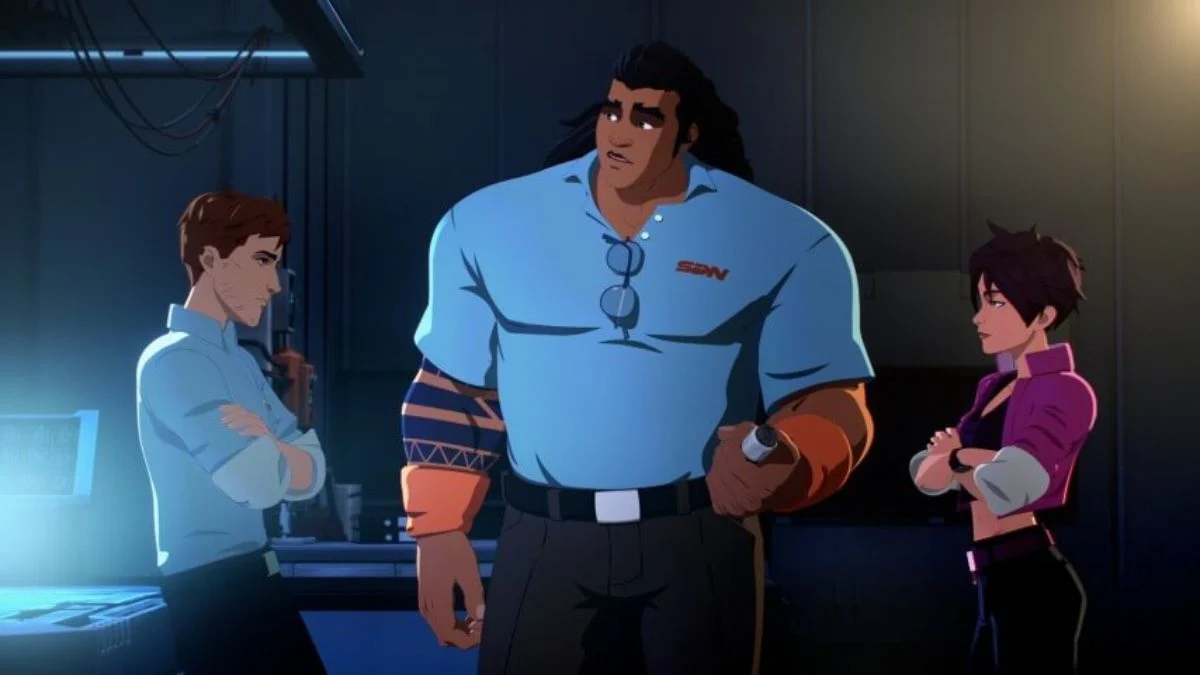
Dispatch is one of those narrative-heavy games that quietly draws you in with its tension and realism. Every decision, every quick reaction, every path you take shifts the fate of your heroes in subtle ways. Yet beneath the choices lies something more mechanical — a system of stats that secretly shapes every outcome.
At first glance, these stats seem ordinary. But in Dispatch, they define your heroes’ personalities, strengths, and even their moral limits. If you’ve ever wondered why one hero succeeds while another fails despite making the same call, it all comes down to these numbers that live behind the story.
Below, we’ll break down every stat in Dispatch, how it works, and how to read the game’s silent cues before making a call that could change everything.
All Stats in Dispatch (Explained)
There are five key stats in Dispatch, each representing a facet of a hero’s skill, resilience, and psychological depth. Every mission or episode leans on a combination of these, meaning that understanding them isn’t just useful — it’s essential.

| Stat | Role |
| Combat | Measures a hero’s ability to fight effectively during high-pressure or physical confrontations. |
| Intellect | Governs logic-based choices, problem-solving, and data-driven reasoning. |
| Vigor | Represents resilience and endurance — how much physical or environmental stress a hero can endure. |
| Charisma | Determines how well a hero can influence others, de-escalate tension, or win trust through empathy and persuasion. |
| Mobility | Reflects agility, reflexes, and the ability to act or move swiftly during critical moments. |
Let’s explore these in depth.
Combat: The Edge in Conflict
Combat is the backbone of your heroes’ survival when things turn violent. It measures more than brute strength — it represents composure under threat, tactical awareness, and precision.
When you send a hero with a high Combat stat into a physical altercation or a high-risk rescue, their chances of success rise significantly. However, not every scenario involving danger requires Combat; sometimes, it’s about endurance — that’s where Vigor steps in.
Intellect: The Logic Behind the Lines
If you find yourself faced with puzzles, code sequences, or technical dilemmas, Intellect becomes your anchor. It’s the stat that governs reasoning and problem-solving.
Heroes with high Intellect excel when strategy or calculation is required. Whether deciphering a threat report or rerouting a system under pressure, they will often see paths others overlook. Yet, when emotions and people are involved, intellect alone won’t always save the day — that’s when Charisma takes over.
Vigor: The Measure of Resilience
Vigor defines how much punishment a hero can take, both physically and mentally. In Dispatch, resilience can mean enduring explosions, surviving harsh environments, or simply staying calm when everything collapses around them.
It’s not about landing hits but about staying on your feet when things go wrong. A hero with high Vigor might survive where others wouldn’t, turning the tide in extended or chaotic missions.
Charisma: The Voice That Calms the Storm
While Intellect solves problems with logic, Charisma solves them with heart. It’s the ability to defuse a crisis with empathy, persuasion, or trust.
Whenever your team faces moral crossroads — convincing someone to stand down, rallying allies, or guiding a panicked crowd — Charisma leads the way. A hero who can speak to human emotion is often more powerful than one with brute strength.
Mobility: The Power of Speed and Reflex
Mobility measures how quickly a hero can act or move when the moment demands it. It’s vital in timed sequences, rescues, or fast-reacting events where hesitation could mean failure.
When danger is closing in, the hero with the highest Mobility is your best chance to keep pace with the chaos.
How Stats Shape Your Decisions in Dispatch
Every episode of Dispatch hides small cues — a line of dialogue, a flicker in the environment, a tone in a radio call — that hint at which stat might be most useful next. A good commander reads those signs before acting.
For example:
- A tense standoff likely calls for Charisma or Combat.
- A malfunctioning system leans toward Intellect.
- A disaster rescue often depends on Mobility and Vigor.
By matching the right hero to the right task, you not only improve success rates but also unlock alternate story paths that reveal more about each character’s psychology and background.
Choosing the Right Hero
The art of Dispatch isn’t just in what you choose — it’s who you choose. Each hero embodies different strengths, and balancing your squad across missions can mean the difference between a perfect resolution and irreversible loss.
When selecting heroes:
- Pair opposites — a logical hero alongside a charismatic one often opens new dialogue routes.
- Avoid over-reliance on Combat; many conflicts can be solved without force.
- Keep an eye on fatigue — repeated missions may weaken stats temporarily.
More Trending Guides:


Leave a Reply