

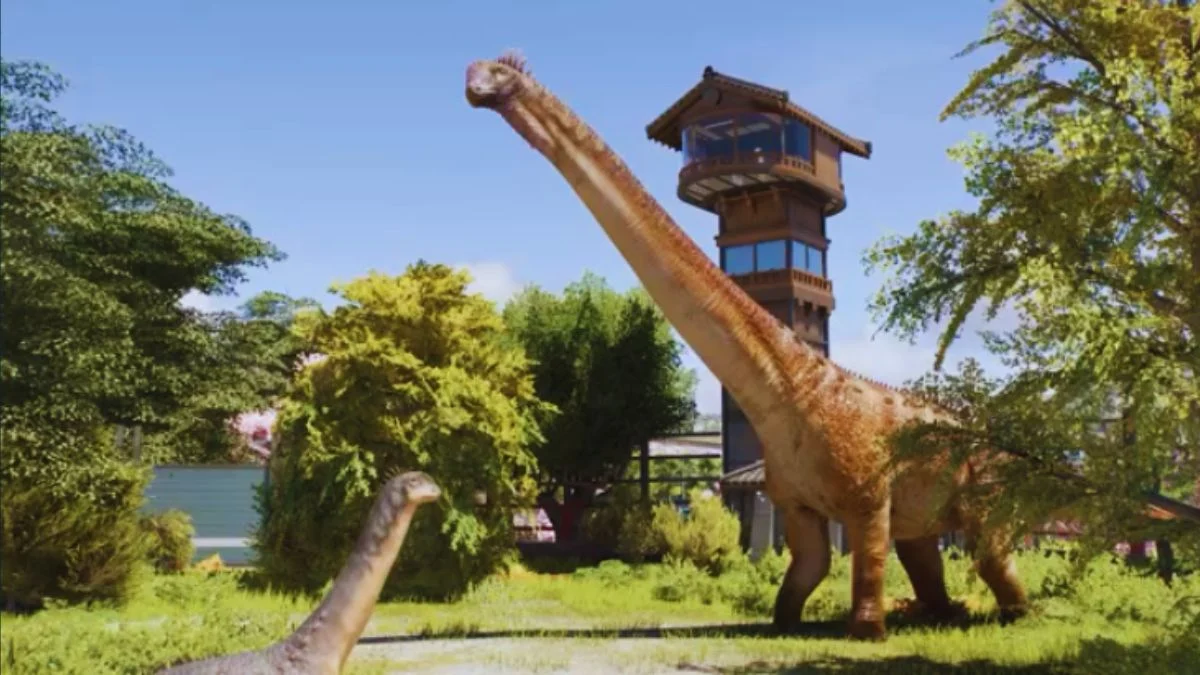
The roar of a newly hatched dinosaur echoes through your park, and the gleam in your guest’s eyes says you’ve done more than build an attraction—you’ve raised a generation. In Jurassic World Evolution 3, breeding isn’t just a fun feature—it is the heart of your park’s future. This guide unpacks everything you need to know about breeding dinosaurs: from nests to juveniles, from genetics to territory, all in a style that respects your park’s wild legacy while giving you the tools to master it.
How Breeding Works in the Game?
With over 80 prehistoric species and around 75 of them breedable, the third instalment brings a true evolution to the series. Breeding offers more than extra dinos—it lets you shape generations, control traits, boost appeal, and deepen the simulation of dinosaur family life. With male and female variants, juveniles, and inherited traits, the system rewards both creativity and strategy.
Getting Started: From Synthesis to Juveniles

Synthesis & Incubation
Before breeding naturally, you’ll often synthesise dinosaurs in the Hatchery using fossil-data and genome research. Once you have male and female specimens, and have researched fertility and compatibility, you’ll be ready.
Genetic Modification
Through research you can modify genome traits that affect fertility, resilience, or comfort. These traits dictate how well your dinos perform and how easy they are to breed.

Setting Up for Breeding
- Place nests appropriate for the species (ground, air, aquatic) within the dinosaur’s territory.
- Ensure the territory space, feeders, social environment, and environmental needs are satisfied—comfort is key.
- The pair’s fertility and compatibility ratings determine success. These increase with good care and research.
- Once conditions are met, the mother will lay eggs in the nest, and eventually, juveniles will emerge.
Juvenile Dinosaurs & Family Dynamics
Breeding doesn’t end when eggs hatch. Juveniles bring new demands:
- Their comfort needs may differ from adults, and their population counts influence space requirements.
- They inherit traits, appearance and behaviour from parents. A well-planned lineage yields better appeal in your park.
- As they mature, they impact territory size, social structure, cohabitation harmony—and yes, trouble if neglected.
Best Traits & Priorities for Breeding
When you’re aiming to build a strong future generation, some traits deserve priority:
- Fertility & Compatibility: Research these early—they directly boost breeding odds.
- Confined Space Adaptation / Humble: Lower area requirements make management easier in crowded parks.
- Positive Temperament / Group Adaptation: Improve social harmony, reduce cohabitation issues and ease mixing species.
- Cross-Species Adaptation: Useful if you plan on mixed-species enclosures (where allowed).
Common Pitfalls & How to Avoid Them
- Poor Comfort Ratings: Even top genetics can fail to breed if dinos are unhappy. Territory size, feeders, water, terrain—all matter.
- Neglected Juveniles: The little ones require care. If you let them suffer, they can undermine your herd’s overall performance.
- Trait Overlook: Some negative traits pass on, too. Structured breeding allows you to select pairs carefully and weed out undesirable genes.
- Ignoring Enclosure Dynamics: As your herd grows, space and social dynamics shift. Watch for escapes, fights, and aggression—they can derail your breeding plans.
From Nature to Programmed Breeding
You have two main paths: let nature take its course, or use science to shape heredity. Structured Breeding Programmes let you pick father and mother, set up the nest, and initiate the process manually. Combine this with genetic research, and you’ll build generations worth bragging about.
More Trending Game Guides:


Leave a Reply