

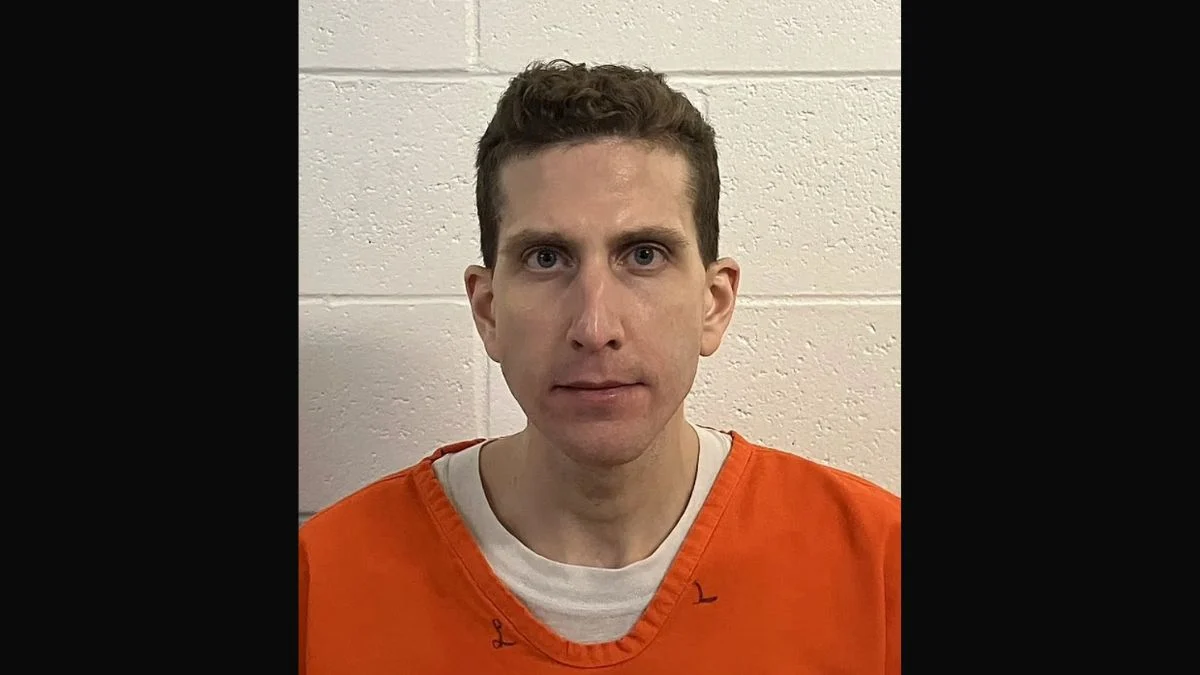
The Bryan Kohberger Idaho murders case has taken another dramatic turn after the convicted killer filed a petition seeking to withdraw the guilty plea that spared him from execution. If successful, the move could reopen one of the most closely watched criminal cases in recent U.S. history, potentially placing the death penalty back on the table and forcing the victims’ families to relive the legal battle all over again.
The filing has also reignited public debate over plea agreements, defendants’ rights, and whether post-conviction challenges should be allowed after a defendant has admitted guilt under oath. With legal experts calling the challenge an uphill battle, the case is once again drawing nationwide attention across the United States and abroad.
Questions surrounding accountability and legal proceedings following mass violence have also surfaced in other painful, closely followed cases. Check our story on Why Georgia School Shooter Colt Gray’s Mother Won’t Face Charges Despite Shocking Jail Calls for another case where families are grappling with difficult legal questions in the aftermath of tragedy.
Why Bryan Kohberger Is Trying to Undo His Guilty Plea
Bryan Kohberger pleaded guilty in July 2025 to the fatal stabbing deaths of University of Idaho students Ethan Chapin, Kaylee Goncalves, Xana Kernodle, and Madison Mogen, who were murdered inside their off-campus home in Moscow, Idaho, in November 2022.
Under the plea agreement, prosecutors agreed not to pursue the death penalty, and Kohberger received four consecutive life sentences without the possibility of parole, along with an additional sentence for burglary.
Before accepting the plea, Ada County District Judge Steven Hippler carefully questioned Kohberger in court, asking whether he was pleading guilty because he was, in fact, guilty. Kohberger answered yes and also waived his right to a direct appeal as part of the agreement.
Now, approximately 13 months after his conviction, Kohberger is attempting to reverse that decision.
Idaho has, unfortunately, faced more than one devastating act of gun violence in recent memory. Check our story on Twin Falls In-N-Out Shooting: Who Was Chad Williams? Inside the Idaho Mass Shooting That Left Three Dead for another tragedy that shook communities in the state.
Timeline: How the Idaho Murders Case Reached This New Chapter
| Date | Event | Key Details |
| November 2022 | University of Idaho murders | Ethan Chapin, Kaylee Goncalves, Xana Kernodle and Madison Mogen were fatally stabbed. |
| July 2025 | Guilty plea entered | Kohberger pleaded guilty, avoiding the death penalty. |
| July 2025 | Sentencing | Received four consecutive life terms without parole plus a burglary sentence. |
| Late July 2026 | Post-conviction petition filed | Filed handwritten request seeking to withdraw guilty plea. |
| Early August 2026 | New attorney appointed | Judge Steven Hippler approved appointment of new post-conviction counsel. |
Questions surrounding capital punishment and its application have also drawn national attention in other recent cases. Check our story on Florida’s First Modern-Era Double Execution Shocks the US: Why Two Death Row Inmates Were Executed Hours Apart on the Same Day for another case that has sparked intense public debate over the death penalty.
The Claims Kohberger Is Making Against His Former Lawyers
In a handwritten petition for post-conviction relief filed in Ada County District Court, Kohberger argues that his guilty plea was not truly voluntary because of what he describes as ineffective assistance of counsel.
The petition is not a direct appeal but a separate civil proceeding that remains available even after appeal rights have been waived.
Kohberger alleges that his defense attorneys—Anne Taylor, Elisa Massoth, and Bicka Barlow—misled and coerced him into accepting the plea bargain.
According to the filing, he claims they fabricated a story about touring an 8-foot-by-8-foot death-row cell, describing what he called “horrific” conditions in order to pressure him into avoiding trial.
He further alleges he was:
- Advised to lie
- Told he would secure a “legal victory” by entering what he describes as a “false plea”
- Told that whether he was actually guilty mattered less than avoiding execution
Kohberger also contends that his attorneys failed to disclose what he describes as “exculpatory discovery,” including alleged chain-of-custody issues involving the knife sheath recovered at the crime scene—issues later referenced in the book Broken Plea.
He additionally claims members of his immediate family were present during portions of the plea discussions.
In a message to The New York Times, Kohberger stated:
“A lot went wrong in those plea discussions.” — Bryan Kohberger
He also said:
“Justice was not served” and was “circumnavigated by a broken plea.” — Bryan Kohberger
Kohberger has indicated he wants to enter a not-guilty plea, acknowledging that doing so would give prosecutors another opportunity to seek the death penalty.
Violence at public gatherings has, unfortunately, continued to devastate communities in other parts of the world as well. Check our story on Bite of Seattle Shooting Wasn’t a Random Attack: What Police Say Really Happened During the Deadly Festival Gunfight for another tragedy that unfolded during what should have been a celebratory event.
Why Legal Experts Say Winning Will Be Extremely Difficult
Judge Steven Hippler has already approved Kohberger’s request for new court-appointed counsel, directing the Idaho State Public Defender to assign an attorney for the post-conviction proceedings.
However, under Idaho law, Kohberger must prove both that:
- His attorneys’ performance fell below an objective standard of reasonableness, and
- That deficiency changed the outcome of the case.
Legal observers note this is a significant hurdle because Kohberger previously told the court under oath that his plea was knowing, voluntary and intelligent, and that he was guilty.
Courts rarely allow defendants to withdraw guilty pleas after such sworn statements unless compelling evidence demonstrates serious legal problems.
If the petition advances, Kohberger’s former attorneys could be required to testify and defend their conduct, turning the proceedings into a credibility battle.
The financial impact is also substantial. The case has already cost Idaho taxpayers more than $8 million, including approximately $5.5 million in public defense costs. Additional proceedings could add another $2 million.
Sudden acts of violence have also disrupted the lives of families connected to professional sports this year. Check our story on Eric Bieniemy Leaves Chiefs Training Camp After Wife Mia Is Shot at Family Home—What Authorities Say Happened Next for another family navigating the aftermath of a frightening incident.
Victims’ Families and Experts React Strongly
The latest filing has triggered emotional responses from the victims’ families.
Attorney Shanon Gray, representing the Goncalves family, told The Guardian:
“He’s the mosquito you just can’t seem to swat.” — Attorney Shanon Gray
He also said:
“He’s a narcissist who thinks he’s the smartest.” — Attorney Shanon Gray
The Goncalves family issued a statement emphasizing that Kohberger voluntarily chose not to let a jury determine either his guilt or punishment. They noted that he never previously claimed he was pressured, uninformed or misled, nor did he raise concerns about discovery materials reviewed over more than two years. The family said the renewed focus on Kohberger instead of the victims is “the real tragedy.”
Steve Goncalves, Kaylee’s father, said the family is “100% ready” if a trial ultimately happens and expressed confidence that Kohberger would then receive the death penalty he previously avoided.
Kristi Goncalves has similarly said she believes the petition is unlikely to succeed but that the family would support a new trial if one is ordered.
Meanwhile, Idaho Attorney General Raúl Labrador stated his office “stands ready to do whatever is necessary to ensure justice is fully carried out,” while recognizing the additional emotional burden placed on the victims’ families.
Forensic psychologist Rachel Toles suggested the filing may reflect an effort by Kohberger to regain control after years of others shaping the public narrative. She noted that attention can become a form of currency for offenders, while prolonged legal proceedings risk re-traumatizing victims’ families and reviving the possibility of capital punishment.
Financial crimes connected to national emergencies have also led to lengthy, closely watched pursuits of justice. Check our story on FBI’s Most Wanted COVID Fraud Fugitive Finally Caught: How a Woman Allegedly Hid Behind a Fake Identity in a $32 Million Pandemic Relief Scheme for another case where accountability took years to catch up with the accused.
What’s Next in the Bryan Kohberger Case?
As of early August 2026, Kohberger’s petition remains in its earliest stage while he continues to be held in segregation at Idaho’s maximum-security prison.
No motive for the killings was ever presented by prosecutors or required under the plea agreement, and legal experts believe one may never be publicly established.
The court will now decide whether Kohberger can produce sufficient evidence that his constitutional rights were violated during plea negotiations. If he cannot, his convictions and life sentences will remain intact. If he succeeds, one of America’s most notorious murder cases could return to court—with the death penalty once again a possibility.
Attacks targeting public celebrations have, sadly, continued to occur internationally as well. Check our story on Berlin Pride Horror: What Really Happened in Tiergarten as a Suspected Islamist Terror Attack Turned Celebration Into Tragedy for another community left reeling after violence disrupted what was meant to be a joyful gathering.
Disclaimer
This article is based on extensive research and verified reporting from The Guardian (2 August 2026), BBC News, Fox News, NBC News, Idaho Statesman, reporting by The New York Times referenced across multiple outlets, official statements from the Goncalves family and attorney Shanon Gray, Idaho Attorney General Raúl Labrador, and legal commentary from attorneys and University of Idaho law faculty reported by those sources. The article is intended to accurately summarize publicly available information as of early August 2026.
Sources:
- The Guardian (main details)
- BBC News
- Fox News (court documents and petition details)
- NBC News
- Idaho Statesman (cost estimates and legal process) Idaho Statesman
Image Credit:
- Idaho Dept of Corrections


Leave a Reply