

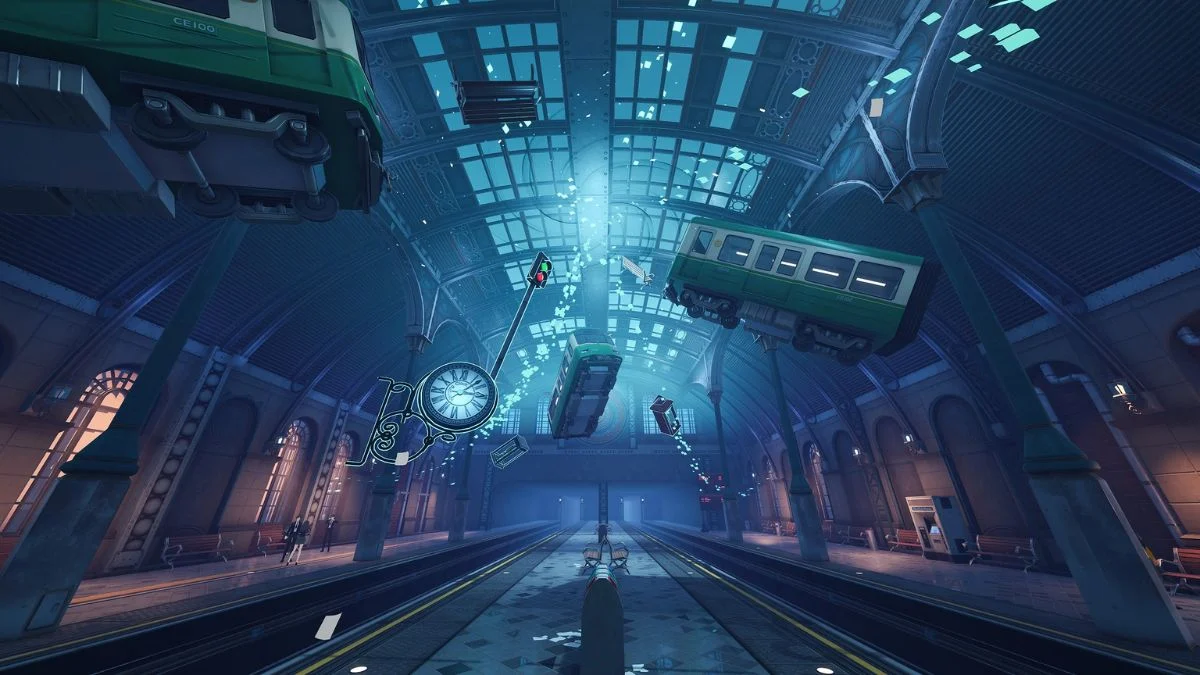
Neverness To Everness launched on April 29, 2026, developed by Hotta Studio and published by Perfect World Entertainment. Within just 24 hours of release, the game landed at the centre of a heated AI art controversy that spread rapidly across gaming communities worldwide. Here is everything confirmed so far, broken down clearly so you can form your own view.
Last updated: May 3, 2026. This is a fast-moving situation and will be updated as new information emerges.
What Did Hotta Studio Actually Say About AI?
Before launch, NTE executive director Yang Lei addressed the AI question directly in a pre-launch interview. He confirmed that the studio uses AI, but placed clear limits on how it is used.
Yang also stated that the team uses AI to run atmosphere renderings to check whether a scene captures the intended feeling, as part of early reference and preliminary work. He then drew a firm line, stating that core assets and character portraits would never touch AI.
So to be clear: Hotta Studio never denied using AI entirely. However, they publicly committed to keeping it away from finished, player-facing artwork. That commitment is now the benchmark the community is measuring the game against.

What Triggered The NTE AI Controversy?
Just one day after launch, a post by Twitter/X user HSC_Ezie went viral. It showed side-by-side screenshots comparing an in-game billboard inside the city of Hethereau with a scene from Makoto Shinkai’s anime film Weathering With You.
The similarities were striking. The composition, lighting, and subject placement in both images were nearly identical. The NTE version appeared to have been processed through an AI image-to-image filter rather than redrawn from scratch.
The post reached over 1.5 million views and 21,000 likes within hours, pulling the controversy into mainstream gaming discussions almost immediately.
Where Exactly Is AI Suspected In NTE?
Community discussion has pointed to specific areas of the game rather than the overall visual package. Here is a clear breakdown of what is confirmed versus what remains disputed.
| Area | AI Involvement | Current Status |
| Character portraits and core assets | Director stated these are off-limits | No credible accusations raised so far |
| Atmosphere and mood references | Confirmed by director as pre-production use | Openly acknowledged by Hotta Studio |
| In-world signage and billboards | Unconfirmed, flagged by players | Under active community scrutiny |
| Weathering With You billboard | Alleged AI processing of an existing film frame | Disputed, no official studio response confirmed |
It is also worth noting that no independent forensic analysis using AI detection tools has been widely cited yet. The accusations remain based on visual comparisons rather than verified technical breakdowns.

Why Are Players So Angry About This?
The backlash goes beyond this one game. AI-generated art has been a deeply sensitive topic across gaming and anime communities for some time, and NTE arrived right in the middle of that tension. Hotta Studio also developed Tower of Fantasy, a game that faced its own community trust issues, which means some players arrived at NTE’s launch already carrying scepticism.
The core concerns players have raised include:
- Replacing human artists with automated tools directly threatens livelihoods within the creative industry
- Originality and authenticity matter deeply to fans of anime-style games, where handcrafted visuals form a core part of the appeal
- Training data ethics raise questions about whether existing artwork was used without the original artists’ permission
- The perceived broken promise is perhaps the sharpest point. Yang Lei set a clear pre-launch expectation, and the Weathering With You billboard appears to challenge it directly
- The copyright dimension adds another layer. Using a frame from an existing animated film, even as an Easter egg, raises separate questions about intellectual property that exist independently of the AI debate
One player captured the community’s frustration clearly: the issue is not whether the image functions as a reference or homage. The issue is that human-made artwork appears to have been fed into an AI system, which many artists find deeply disrespectful regardless of intent.
Is The AI Use In NTE Actually Confirmed?
This distinction matters, and it is worth separating two questions that the community is blending together.
Question 1: Does NTE use AI at all?
This is settled. Hotta Studio openly confirmed limited AI use in a pre-production workflow role.
Question 2: Does finished, visible art in the live game use AI in a way that breaks the director’s stated policy?
This remains unconfirmed. The Weathering With You billboard is the strongest specific example players have surfaced, but no official studio response to that comparison has been confirmed.
It is also worth understanding the technical nuance here. There is a difference between using generative AI to create final assets from scratch and using AI tools within a workflow for tasks such as reference generation, upscaling, or denoising. Some defenders of the studio argue that processing an image through AI does not automatically constitute theft. However, critics counter that even workflow use of someone else’s artwork raises ethical concerns, particularly when it ends up in a shipped product.

Official Developer Response
As of May 3, 2026, Hotta Studio has not issued any formal response to the Weathering With You billboard accusations. Their official channels have remained silent on the specific allegations. This section will be updated as soon as a statement is confirmed.
The absence of a response has itself become part of the community discussion, with many players interpreting the silence as avoidance rather than an oversight.
How Has The NTE Community Reacted?
Reactions across Reddit, X, and gaming forums have been mixed but largely critical. Several players who had pre-registered for the game stated they chose not to download it after learning about the controversy. The breakdown looks roughly like this:
- Some players are waiting for an official statement before drawing conclusions
- Others have already chosen not to play, citing the controversy as a dealbreaker
- A smaller group believes the billboard is an intentional homage rather than AI-generated content
- Many players argue that even the possibility raises serious questions about transparency and quality control
It is also worth noting that NTE is not alone in facing this kind of scrutiny. Developers including Larian Studios, Warhorse Studios, and Rockstar have all acknowledged AI use in various capacities in recent months. AI in game development has become one of the most divisive ongoing conversations in the industry.
Quick Facts: Neverness To Everness At A Glance
| Detail | Information |
| Game Title | Neverness To Everness (NTE) |
| Developer | Hotta Studio (subsidiary of Perfect World) |
| Publisher | Perfect World Entertainment |
| Release Date | April 29, 2026 (Global) |
| Platforms | PC, PlayStation 5, Mobile |
| Engine | Unreal Engine 5 |
| Genre | Supernatural Open-World Action RPG |

The Bottom Line
If your concern is specifically about character portraits and signature gacha artwork, the studio’s stated policy covers those directly, and post-launch criticism has not targeted them. However, if your concern extends to environmental art, background billboards, and ambient imagery, the policy is looser by the studio’s own admission, and at least one in-game asset remains publicly contested.
The NTE AI controversy reflects how much visual authenticity matters to players, particularly in anime-style games where art direction is central to the experience. Transparency from developers makes a significant difference in these situations, and right now the community is still waiting for it.


Leave a Reply