


Emotional wounds do not always announce themselves through memories or words. Many linger quietly—reshaping behavior, reactions, and even physical health. Across ancient Indian spiritual traditions and modern mind–body research, one insight continues to resonate: unprocessed emotional trauma settles into the body’s energy system. The chakra framework offers a timeless lens to understand how these experiences are stored—and how they can be gently released.
As conversations around mental health, emotional resilience, and spiritual well-being grow in India and globally, the connection between chakra blockages and emotional trauma is gaining renewed relevance—not as belief alone, but as lived experience.
In This Post:
Understanding the Chakra System: An Ancient Blueprint of Emotional Energy
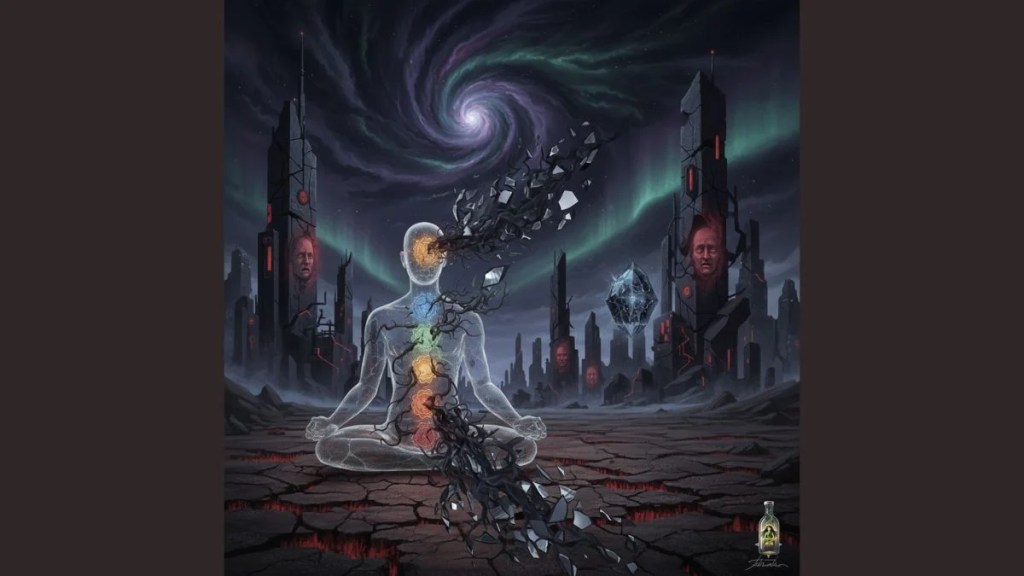
The chakra system originates from early yogic and tantric texts of India, describing seven major energy centers aligned along the spine. Each chakra governs distinct emotional, psychological, and physical aspects of life.
Rather than viewing chakras as abstract concepts, many modern practitioners understand them as symbolic zones of emotional regulation and awareness, closely aligned with how trauma is stored in the nervous system.
How Emotional Trauma Becomes Stored in the Energy Body
Emotional trauma is not limited to extreme events. Long-term stress, emotional neglect, suppression of feelings, or repeated invalidation can create lasting imprints. When emotions are not safely processed, the body adapts—holding the experience internally.
Over time, this holding pattern becomes what spiritual traditions describe as chakra imbalance or blockage, influencing emotional responses, self-perception, and physical well-being.
Root Chakra Trauma: When Safety and Stability Are Shaken

The root chakra, located at the base of the spine, governs survival, security, and belonging. Trauma related to instability—financial stress, childhood insecurity, displacement, or chronic fear—often resonates here.
In contemporary India, where economic shifts and urban pressures are common, root chakra imbalance frequently manifests as persistent anxiety, restlessness, or difficulty feeling grounded, even when life appears stable on the surface.
Sacral Chakra Blockages: Emotional Suppression and Creative Disconnection

The sacral chakra is associated with emotions, creativity, intimacy, and pleasure. Trauma involving emotional shaming, boundary violations, or suppression of feelings often disrupts this center.
When emotions are judged or discouraged, individuals may function efficiently while remaining disconnected from joy, emotional fluidity, or creative expression—a pattern increasingly observed in high-pressure lifestyles.
Solar Plexus Chakra and Trauma Linked to Self-Worth
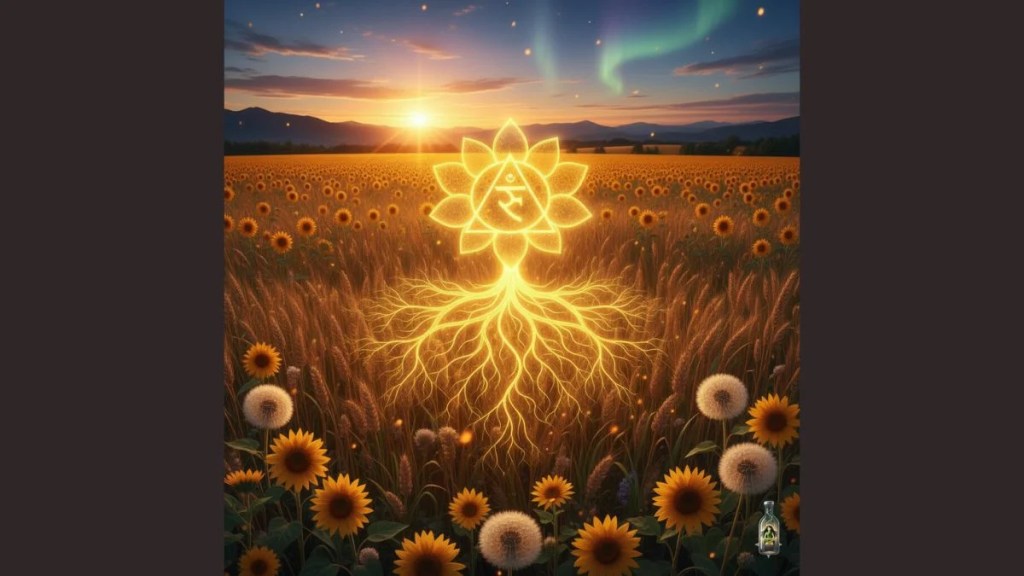
The solar plexus chakra governs confidence, self-esteem, and personal power. Emotional wounds from control, humiliation, excessive criticism, or constant comparison tend to lodge here.
In achievement-driven environments, solar plexus imbalance often appears as chronic self-doubt, people-pleasing, or burnout, rooted in the belief that worth must be earned rather than inherent.
Heart Chakra Trauma: Unprocessed Grief and Emotional Guarding
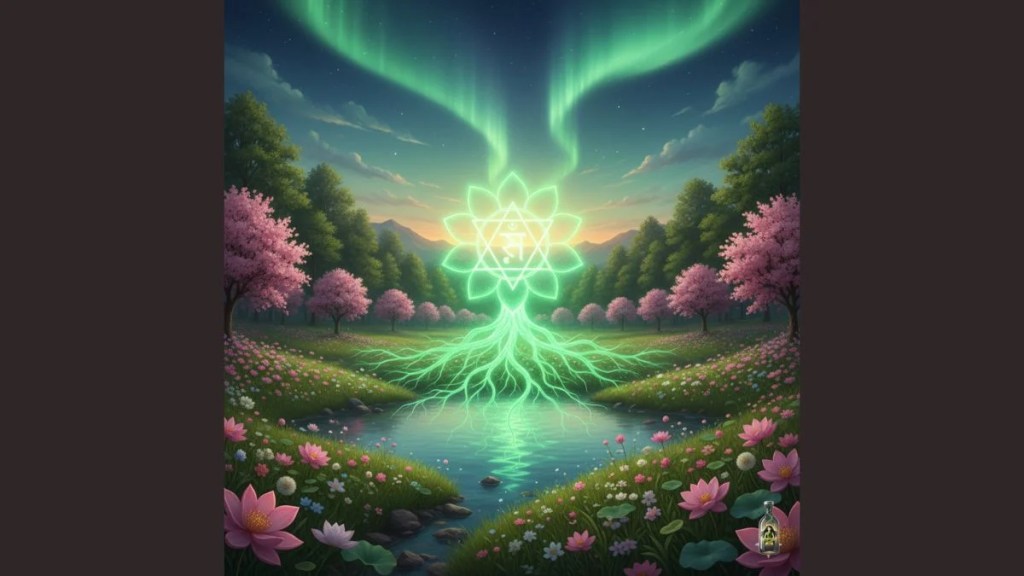
The heart chakra reflects one’s capacity for love, compassion, and connection. Trauma from loss, betrayal, or emotional abandonment can lead to guardedness—not from lack of love, but from unresolved grief.
When sadness is rushed or silenced, it often remains stored, subtly shaping relationships and emotional openness over time.
Throat Chakra Blockages and the Fear of Speaking One’s Truth

The throat chakra governs communication and self-expression. Trauma associated with being silenced, dismissed, or misunderstood can restrict this energy center.
In cultures where hierarchy or conformity influences expression, throat chakra imbalance commonly manifests as hesitation, tension, or difficulty voicing needs, even in safe environments.
Third Eye Chakra Trauma and Loss of Inner Trust
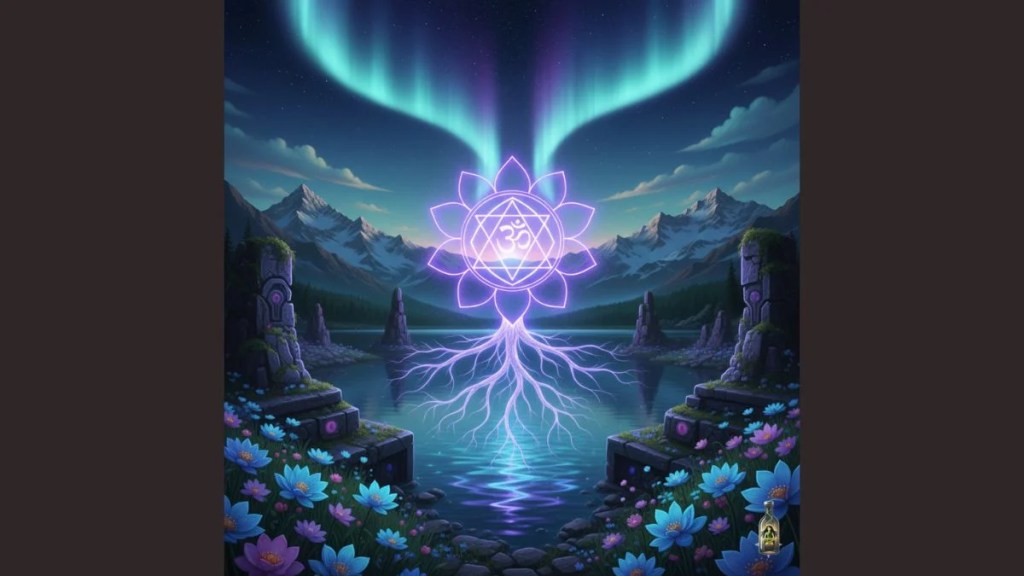
The third eye chakra relates to intuition, clarity, and perception. Emotional trauma involving gaslighting, manipulation, or repeated invalidation can weaken trust in one’s own judgment.
This often results in over-reliance on external validation and difficulty accessing inner guidance, rather than confusion alone.
Crown Chakra Imbalance: Spiritual Disconnection and Loss of Meaning
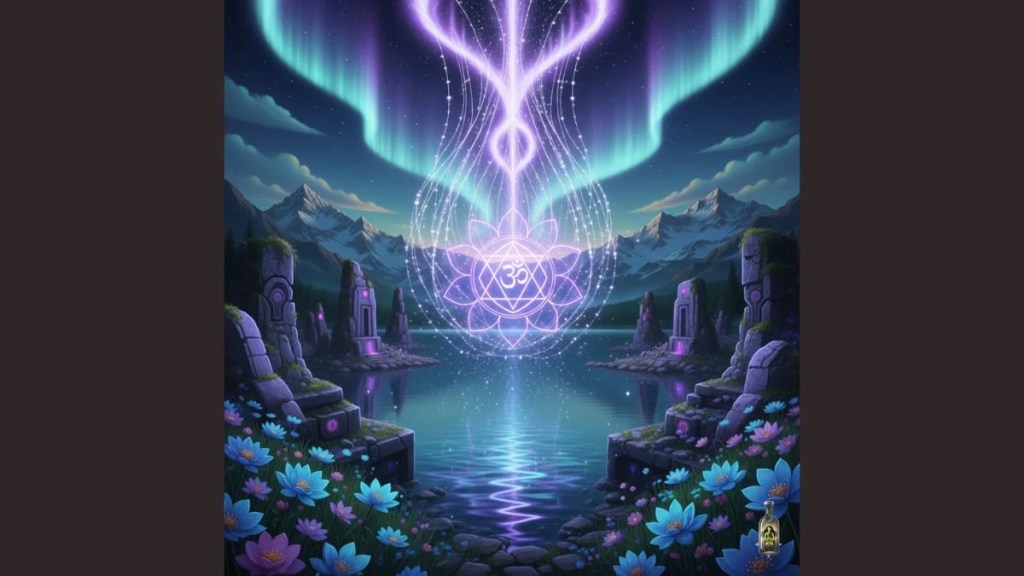
The crown chakra represents purpose, faith, and connection to something greater. Trauma at this level may stem from rigid belief systems, spiritual disillusionment, or existential uncertainty.
In a rapidly changing world, many experience not despair, but a quiet loss of meaning, seeking spiritual connection without clear language or structure.

Chakra Healing and Emotional Trauma: Integration Over Elimination
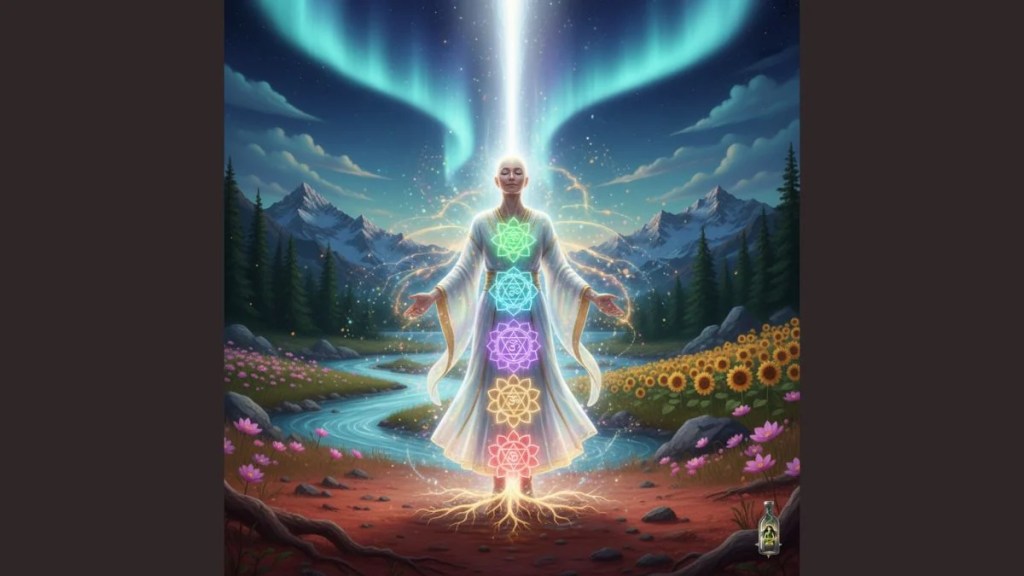
Healing chakra blockages is not about erasing trauma, but integrating experience with awareness and safety. Practices such as meditation, breathwork, mindful movement, sound, and reflective self-inquiry help restore balance gradually.
Importantly, chakra-based approaches complement—not replace—professional mental health support. Their strength lies in fostering self-awareness, emotional regulation, and compassionate self-connection.
Why the Chakra–Trauma Connection Matters in Today’s Lifestyle
As emotional well-being becomes a central conversation in India and beyond, the chakra system provides a culturally resonant framework that bridges ancient spiritual insight with modern psychological understanding.
It reframes trauma not as personal failure, but as unfinished emotional experience awaiting understanding.
Final Reflection: When Awareness Restores Flow
The body remembers what the mind cannot always articulate—but it also remembers how to heal. When attention meets compassion, blocked energy often reveals itself as wisdom in transition. In this remembering, chakras move beyond symbolism and become pathways back to balance, meaning, and wholeness.
More Interesting Reads:


Leave a Reply