
A Connection That Feels Bigger Than Words
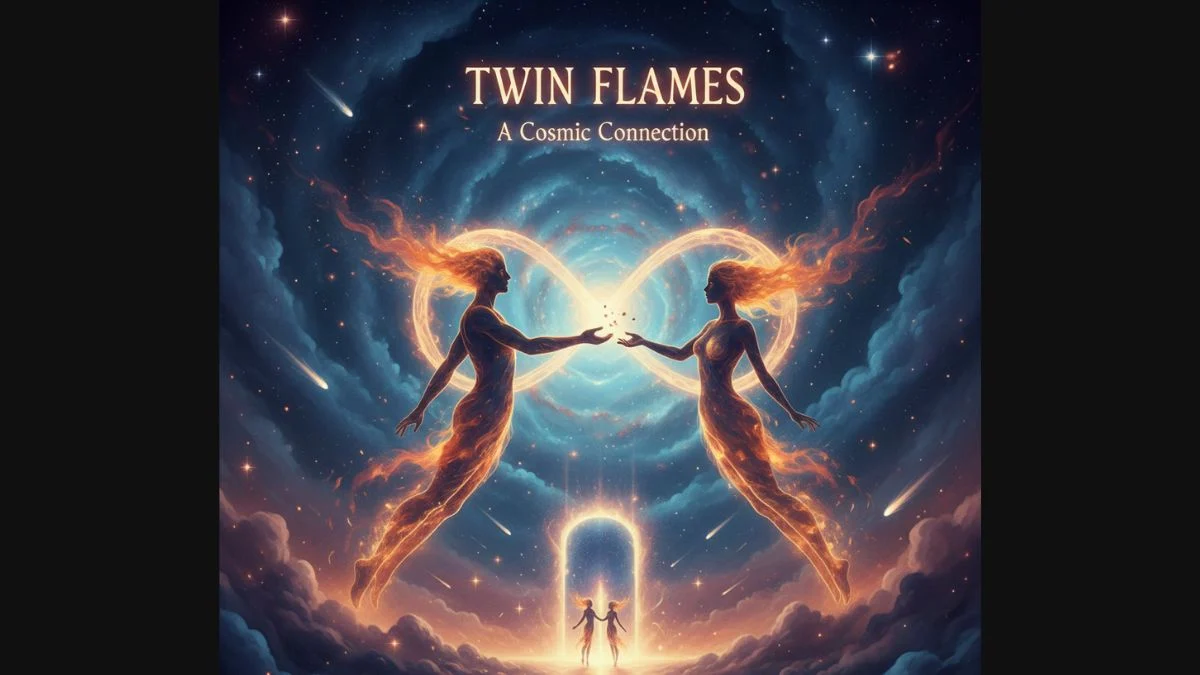
Across the world, people are increasingly searching for meaning in relationships that feel intense, life-changing, and difficult to explain. The term “twin flames” has emerged as one of the most discussed spiritual ideas of the digital age, often associated with powerful emotional bonds, moments of instant recognition, and profound personal transformation.
But what does “twin flame” really mean—and why has this concept gained so much attention in recent years? As conversations around mental health, spirituality, and modern relationships evolve, understanding twin flames requires both openness and critical clarity.
In This Post:
Where the Twin Flame Idea Comes From
The concept of twin flames is not rooted in modern science, but it is not entirely new either. Its origins are often traced to ancient philosophical and spiritual ideas, later reshaped by contemporary belief systems.

One of the earliest references appears in Plato’s Symposium, where humans are described as once being whole beings split into two. This story was symbolic, meant to explore human longing and connection rather than propose a literal truth. Over time, similar ideas appeared indirectly in Eastern philosophies, including the balance of masculine and feminine energies found in Indian spiritual thought, such as Shiva and Shakti.
However, the modern understanding of twin flames largely developed during the New Age spiritual movement, gaining popularity through books, online communities, and social media platforms. Unlike traditional religious teachings, there is no single authority or standardized definition.
What People Mean When They Say “Twin Flame”
In contemporary spiritual language, a twin flame is believed to be a person with whom one shares an intense soul-level connection. Unlike soulmates, who are often associated with harmony and companionship, twin flames are described as mirrors, reflecting unresolved emotions, fears, and personal wounds.

Common descriptions include:
- A strong emotional or intuitive recognition
- Immediate familiarity despite little time together
- Emotional highs followed by deep conflict
- A sense that the relationship triggers personal growth
It is important to note that these descriptions are belief-based, shaped by personal interpretation rather than verifiable evidence.
The Popular “Twin Flame Journey”

Online discussions frequently describe a structured “twin flame journey,” though experiences vary widely. Believers often speak of phases that include connection, emotional turbulence, separation, and transformation.
One widely shared idea is the “runner–chaser dynamic,” where one person pulls away while the other seeks closeness. In spiritual circles, this is framed as part of growth. From a psychological perspective, however, this pattern closely resembles anxious–avoidant attachment dynamics, which are well-documented in relationship research.
The key takeaway is that these stages are not universal rules, and they should not be treated as guarantees or relationship roadmaps.
Why the Twin Flame Concept Feels So Powerful

The emotional intensity associated with twin flames helps explain why the idea resonates strongly, especially among younger adults and digital-native audiences worldwide.
Several factors contribute to its appeal:
- A growing interest in spirituality outside organized religion
- Increased conversations around self-discovery and healing
- Social media storytelling that romanticizes emotional depth
- A desire to find meaning in difficult relationships
In a fast-changing society where traditional relationship structures are evolving, twin flame narratives offer a language for emotional complexity.
What Psychology Says About Twin Flame Experiences

While psychology does not recognize twin flames as a spiritual phenomenon, it does acknowledge the very real emotions people experience in these connections.
Mental health professionals often explain twin flame dynamics through concepts such as:
- Attachment theory, particularly insecure attachment styles
- Trauma bonding, where emotional intensity reinforces connection
- Projection, where individuals see their unmet needs in another person
- Limerence, a state of deep emotional infatuation
These explanations are supported by decades of research and help clarify why such relationships feel transformative—even overwhelming.
Twin Flames vs Healthy Relationships
One of the most important discussions surrounding twin flames is how they differ from emotionally healthy partnerships.
Healthy relationships are generally marked by:
- Mutual respect and communication
- Emotional safety and consistency
- Personal growth without prolonged distress
In contrast, some twin flame narratives normalize emotional pain as necessary for spiritual development. Mental health experts caution against this framing, emphasizing that growth does not require suffering.
Recognizing this distinction is especially relevant in regions like India, where awareness of mental well-being is steadily increasing.
Controversies and Misuse of the Concept
As the twin flame idea has gained popularity, it has also faced scrutiny. Certain organizations have been investigated for using spiritual language to encourage emotional dependency, isolation from family, or financial exploitation.
These cases highlight a critical point: while belief itself is personal, any system that discourages autonomy or emotional safety deserves careful examination. Responsible discussions around twin flames now often include warnings against using destiny or spirituality to justify harmful behavior.
Why Twin Flames Trend on Social Media
Platforms like Instagram, YouTube, and short-form video apps have amplified twin flame content, often through dramatic storytelling. Algorithms tend to reward emotionally charged narratives, which can blur the line between inspiration and misinformation.
In India’s growing digital creator economy, spiritual and self-help content reaches millions daily. This makes media literacy especially important, encouraging audiences to balance emotional resonance with critical thinking.

The Cultural Moment: Why This Matters Now
The rise of twin flame discussions reflects broader cultural shifts:
- Increased openness to emotional vulnerability
- Changing expectations around love and marriage
- A blend of traditional spirituality with modern self-help culture
For many readers, understanding twin flames is less about believing in destiny and more about making sense of intense emotional experiences.
Looking Ahead: A More Grounded Understanding

The twin flame concept is likely to remain part of popular spiritual vocabulary. However, conversations are gradually becoming more balanced, integrating emotional awareness, psychology, and personal responsibility.
Experts increasingly encourage individuals to ask not whether a connection is “meant to be,” but whether it is supportive, respectful, and sustainable.
Final Thoughts: Meaning Without Myth
Twin flames occupy a unique space between spirituality and psychology. They are not a scientific reality, yet the feelings associated with them are deeply real for many people. Understanding this distinction allows space for personal belief without losing sight of emotional health.
As interest in relationships, healing, and self-discovery continues to grow across India and globally, the most valuable insight may be this: the most important relationship journey is the one that leads to self-awareness, balance, and well-being.
More Interesting Reads:


Leave a Reply