

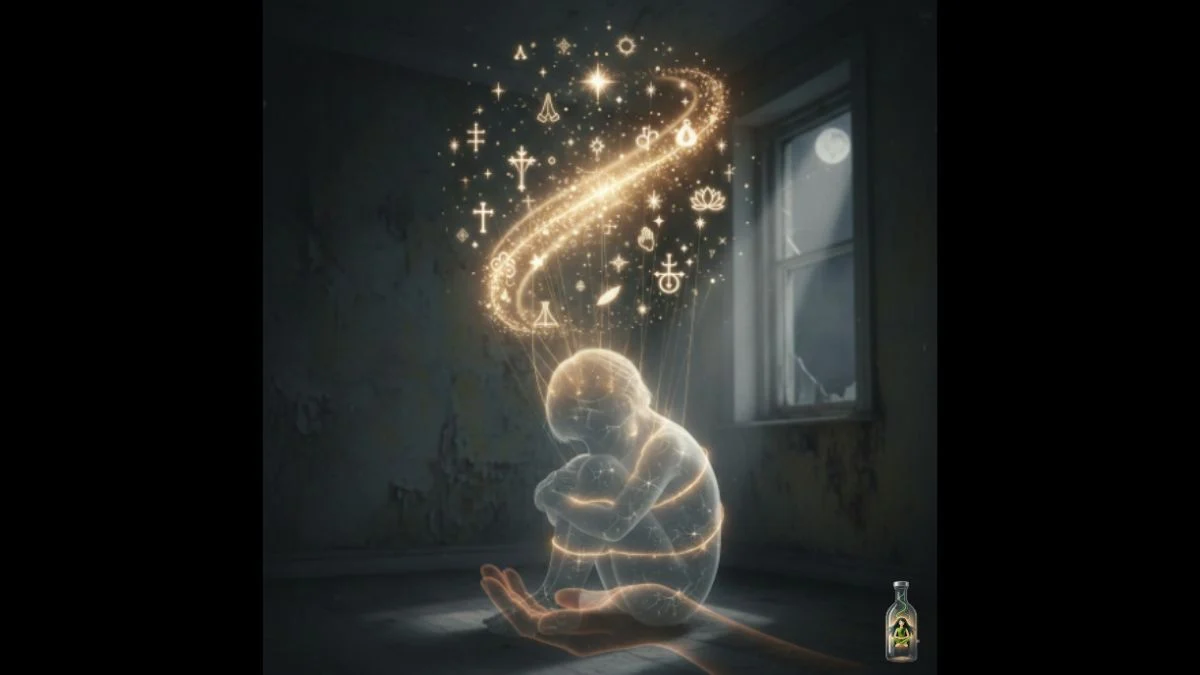
Childhood trauma and adult spirituality are deeply interconnected. Research in psychology, neuroscience, and trauma studies suggests that early adverse experiences—such as emotional, physical, or sexual abuse, neglect, or chronic instability—can significantly shape how individuals understand meaning, faith, spirituality, and their relationship with a higher power in adulthood.
This article explains how and why childhood trauma influences spiritual beliefs, blending psychological research, clinical insights, and spiritual perspectives. It does not promote absolute spiritual claims or replace professional mental health care. Rather, it explores how trauma may impact belief systems, coping strategies, and existential frameworks over time.
From a psychological perspective, trauma alters brain function, emotional regulation, and core assumptions about safety and worth. From a spiritual lens, trauma can either erode faith or deepen spiritual seeking, depending on individual differences, cultural context, and support systems. Research suggests mixed outcomes: some adults experience post-traumatic growth and increased spirituality, while others report spiritual distress, doubt, or disengagement from organized religion.
Key Themes at the Intersection of Childhood Trauma and Adult Spirituality
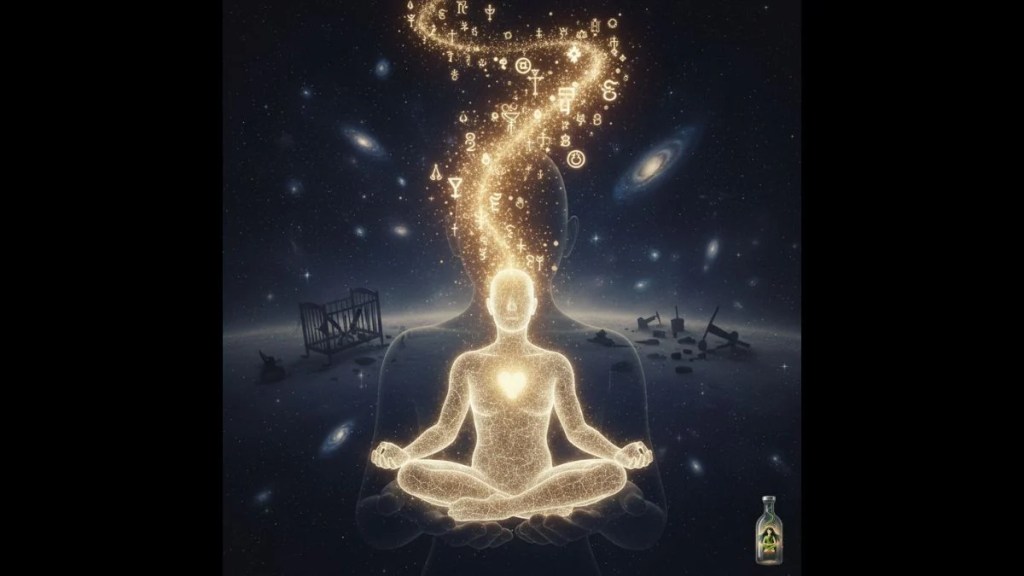
Post-Traumatic Growth vs. Spiritual Distress
Trauma can become a catalyst for spiritual deepening, meaning-making, and resilience, or it can lead to loss of faith, existential doubt, and abandonment of spiritual beliefs. These outcomes are not mutually exclusive and may shift over time.
Individual Differences and Background Factors
The effects vary widely depending on early religious exposure. Individuals raised in non-religious environments may turn toward spirituality later as a healing framework. Those raised in strict or harmful religious settings may experience religious trauma, where faith becomes associated with fear, guilt, or shame rather than comfort.
Intergenerational and Holistic Perspectives
Psychology recognizes intergenerational trauma, where emotional and behavioral patterns are passed across generations. Some spiritual traditions describe this as energetic, ancestral, or even past-life imprints affecting emotional, mental, and symbolic belief systems. These interpretations are cultural and spiritual frameworks rather than scientific conclusions.
Psychological Aspects: How Trauma Shapes Belief Systems and Meaning
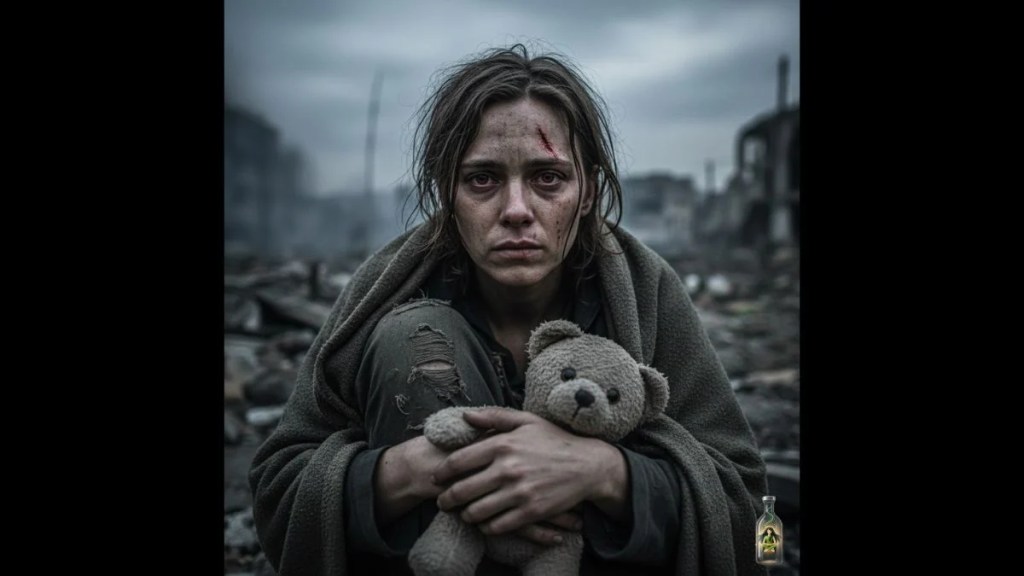
From a psychological standpoint, childhood trauma reshapes how the brain processes safety, trust, and meaning—factors that strongly influence spiritual beliefs in adulthood.
Brain, Body, and Trauma-Related Changes
Research in neuroscience suggests trauma affects:
- The amygdala, increasing threat perception and hypervigilance
- The hippocampus, altering memory integration
- The prefrontal cortex, affecting emotional regulation and reasoning
These changes can lead to heightened existential questioning, rumination, and a search for safety or meaning—often expressed through spiritual or philosophical inquiry.
Core Belief Erosion and Meaning-Making
Childhood trauma can challenge fundamental assumptions such as:
- “Am I worthy of love?”
- “Is the world safe?”
- “Can I trust others?”
These questions often extend into spiritual domains:
- “Is a higher power benevolent?”
- “Why was suffering allowed?”
- “Does meaning exist beyond pain?”
Some survivors internalize beliefs such as feeling “unworthy before God” or believing suffering was deserved, reinforcing shame and guilt. Trauma theorists, including Judith Herman, describe this as a fracturing of basic trust, which can reshape both psychological and spiritual worldviews.
Coping Strategies: Positive vs. Negative Religious Coping
Research distinguishes between:
- Positive religious coping, such as seeking comfort, meaning, or connection through prayer, meditation, or spiritual community
- Negative religious coping, such as viewing trauma as punishment, abandonment, or divine condemnation
Studies suggest positive coping can buffer distress, while negative coping may intensify symptoms. Emotional abuse and neglect, in particular, are associated with a higher likelihood of spiritual searching or religious change later in life.
Trauma, the Body, and Perceived Sensitivity
Unresolved trauma may manifest as chronic stress-related health conditions, fatigue, or heightened pattern recognition. Some individuals interpret this increased sensitivity through spiritual language—such as intuition or heightened awareness—while psychology frames it as adaptive survival learning.
Resilience Factors
A supportive religious or spiritual upbringing can correlate with better emotional regulation and health outcomes in adulthood. However, therapeutic approaches that over-emphasize helplessness may reduce agency, while practices emphasizing values, meaning, and self-efficacy are associated with improved well-being.
Psychological Outcomes Associated With Childhood Trauma and Spirituality
Increased Spirituality
Trauma may prompt an existential search for meaning. Research suggests adults with trauma histories—especially those previously non-religious—show higher likelihood of identifying as “spiritual but not religious.”
Spiritual Distress
Black-and-white thinking and loss of nuance in belief systems may emerge. Some survivors describe feeling unseen or unheard by a higher power due to unanswered prayers during childhood adversity.
Health and Well-Being Correlations
Psychology and religious traditions both acknowledge that unprocessed trauma affects emotional and behavioral health. Spiritual comfort can buffer stress, while unresolved trauma may contribute to long-term health challenges.
Spiritual Perspectives: Faith, Meaning, and Transformation After Trauma

From a spiritual perspective, childhood trauma can fundamentally reshape beliefs about purpose, divinity, and the sacred.

Challenges to Faith and Religious Disengagement
Trauma often prompts questions such as:
- “Why was this allowed?”
- “Is a higher power punitive or absent?”
For some, these questions lead to loss of faith or withdrawal from organized religion, especially when trauma occurred within faith-based environments. Religious trauma—characterized by fear, shame, or coercion—can cause long-lasting discomfort with spiritual language or institutions.
Spiritual Growth and Meaning-Centered Healing
Conversely, many individuals report trauma as a catalyst for spiritual growth. Practices such as prayer, meditation, contemplation, or community engagement can foster hope, forgiveness, and resilience. Some find meaning through symbolic narratives of rebirth and transformation commonly found across spiritual traditions.
Holistic and Energetic Interpretations
Certain spiritual frameworks describe trauma as leaving imprints on subtle or symbolic levels—sometimes framed as energetic, ancestral, or karmic patterns. While these perspectives are not scientifically validated, they provide meaning-making models for some individuals navigating emotional patterns and intergenerational experiences.
Integration and Resolution
Healing often involves integrating psychological therapy with personal spiritual beliefs, when relevant. Mind-body practices such as yoga, breathwork, chanting, or nature-based rituals may help regulate stress and support reflection. Meaning-making emphasizes resilience rather than moral judgment.
Spiritual Outcomes Linked to Childhood Trauma
Erosion of Beliefs
Some individuals experience doubt, loss of faith, or discomfort with religious identity, particularly following spiritual or religious abuse.
Enhanced Spirituality
Others report increased spiritual curiosity, deeper faith, or a shift toward non-institutional spirituality focused on personal meaning.
Coping and Community Effects
Supportive spiritual communities can aid healing, while judgment or stigma may lead to disengagement.
Final Summary: Psychology vs. Spirituality in Trauma Recovery

Research suggests that childhood trauma influences adult spiritual beliefs through complex psychological and cultural pathways. For many, spirituality becomes a survival-based meaning system; for others, trauma fractures faith or reshapes belief entirely. There is no universal outcome.
Healing often involves integrating psychological understanding with personal values, cultural beliefs, and—when helpful—spiritual practices. Outcomes depend on resilience, social support, upbringing, and individual interpretation.
This article is for educational purposes only and is not a substitute for professional mental health or medical care. Individuals affected by trauma are encouraged to seek qualified support tailored to their needs.
By approaching childhood trauma and spirituality through both psychology-explained frameworks and respectful spiritual perspectives, we gain a more nuanced understanding of how humans search for meaning, safety, and connection after adversity—without fear-based narratives or absolute claims.
More Interesting Reads Handpicked for You:


Leave a Reply