

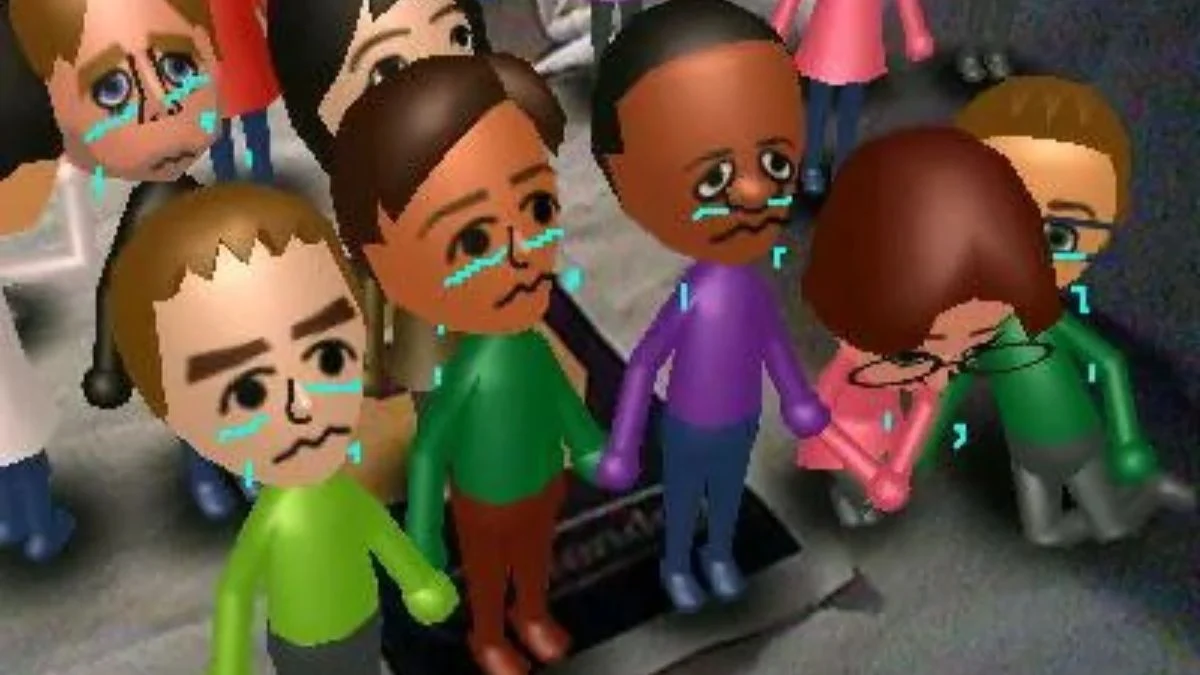
Tomodachi Life: Living the Dream is a life simulation game where your Miis go about their daily lives, form friendships, fall in love, and get into all sorts of comedic situations. If you are new to the series and wondering whether any of this can end in permanent loss, here is a straight answer followed by everything else you need to know about how the game handles aging, illness, and removal.
No, Miis Cannot Die
Miis do not die in Tomodachi Life: Living the Dream under any circumstances. There is no death mechanic in the game at all. Miis cannot die from old age, illness, arguments, heartbreak, or any other in-game event. This is a deliberate design choice by Nintendo. The game prioritises a lighthearted, stress-free experience where no interaction results in permanent negative consequences for your island population.
| Mechanic | Status in Game |
| Death | Not present |
| Aging to death | Not possible |
| Illness causing death | Not possible |
| Permanent removal from arguments | Not possible |
| Player-controlled removal | Available via Delete Mii function |

How Aging Works in Tomodachi Life: Living the Dream
Miis do have an age that increases over time, but aging never leads to death. If you set a Mii to age normally based on their birthday, their age number increases by one each year. The maximum age a Mii can reach is 150, at which point aging simply stops. Nothing happens when they hit that cap and they continue living on your island and participating in all activities exactly as before.
Importantly, a Mii’s appearance does not change as they age unless you manually edit it. A Mii with a birthday set far in the past could technically be listed as over 100 years old in the game while still looking exactly as young as the day you created them. Age in this game is literally just a number.
The only age distinction that matters for gameplay is whether a Mii is 17 or younger, which classifies them as a child, or 18 or older, which classifies them as an adult. This affects romance and marriage eligibility, since children cannot enter romantic relationships with adults. Children also have different daily routines and interactions compared to adult Miis in some situations.
Tomodachi Life: Living the Dream also introduced a new option that the original 3DS game did not have. You can now set a Mii to remain at a static age, preventing their age from incrementing at all if you prefer to keep them frozen at a specific point.
Additionally, there are two in-game items worth knowing about. The Age-O-Matic and the Kid-O-Matic allow you to change a Mii’s age classification without altering their birthday. These can be used to shift a child Mii to adult status or vice versa when needed.
What Happens Instead of Death
While Miis cannot die, the game introduces temporary challenges and emotional states to keep things dynamic and engaging.
Illness is one example. Miis can fall sick occasionally, but it is minor and easily resolved. You treat a sick Mii with medicine or sometimes their favourite food, and they recover immediately with no lasting effects.
Emotional states shift regularly as well. Miis experience sadness after rejection, frustration after arguments, and happiness from positive interactions. However, all of these states are temporary. You can resolve them by giving food or gifts, helping with their problems, or simply letting the situation play out over time. None of these states have permanent consequences.
Relationship changes are another source of ongoing variety. Couples can break up or divorce, friendships can cool down, and new relationships can form at any time. These changes keep the island feeling alive, but they do not remove any Mii from the game.

Can a Mii Ever Leave Your Island?
The only way a Mii leaves your island permanently is if you delete them manually using the Delete Mii function, which you can access through the Residents menu. The game gives you multiple confirmation warnings before the deletion goes through, so accidental removal is unlikely. The process also requires a small in-game moving fee, typically around 3,300 in the game’s currency, which represents the cost of the Mii moving away. In the game’s framing, this is presented as the Mii having left the island rather than anything more final.
Beyond that, there is no automatic or story-driven removal. Your Miis stay on the island indefinitely unless you choose to remove them yourself. It is also worth knowing that the island has a hard cap of 70 Miis in total. If you reach that limit, deleting a Mii frees up a slot for a new resident.
How to Keep Your Miis Happy and Active
Since Miis never leave on their own and the island keeps running indefinitely, the main goal is keeping your Miis content and engaged. Here are the confirmed ways to do that:
- Check your island daily and look for problem icons or thought bubbles above Miis, which signal that they need something.
- Resolve thought bubbles and problems quickly to keep moods balanced and earn rewards.
- Give food and gifts to cheer up sad Miis and discover their personal preferences.
- Encourage friendships by introducing Miis to each other and supporting confessions when romantic feelings develop.
- Customise appearances, rooms, and clothing regularly to keep interactions fresh and earn happiness boosts.

Key Things to Know
- Miis cannot die in Tomodachi Life: Living the Dream under any circumstances.
- Miis age based on their birthday, but aging stops permanently at 150 and has no gameplay consequences beyond that number.
- A Mii’s appearance does not change with age unless you edit it manually.
- The only gameplay-relevant age threshold is 17 or younger for child status and 18 or older for adult status, which affects romance eligibility and some daily interactions.
- Tomodachi Life: Living the Dream adds a new option to keep a Mii at a static age, which was not available in the original 3DS game.
- The Age-O-Matic and Kid-O-Matic are in-game items that let you change a Mii’s age classification without editing their birthday.
- Illness is temporary and cured instantly with medicine or a favourite food. It has no lasting effects.
- Emotional states like sadness and anger are temporary and resolve through gifts, food, or time.
- The only permanent removal option is the Delete Mii function, which you access through the Residents menu. It requires a small in-game moving fee and gives multiple confirmation warnings.
- The game frames deletion as a Mii leaving the island.
- The island has a hard cap of 70 Miis. Deleting a Mii frees up a slot if you reach that limit.


Leave a Reply