

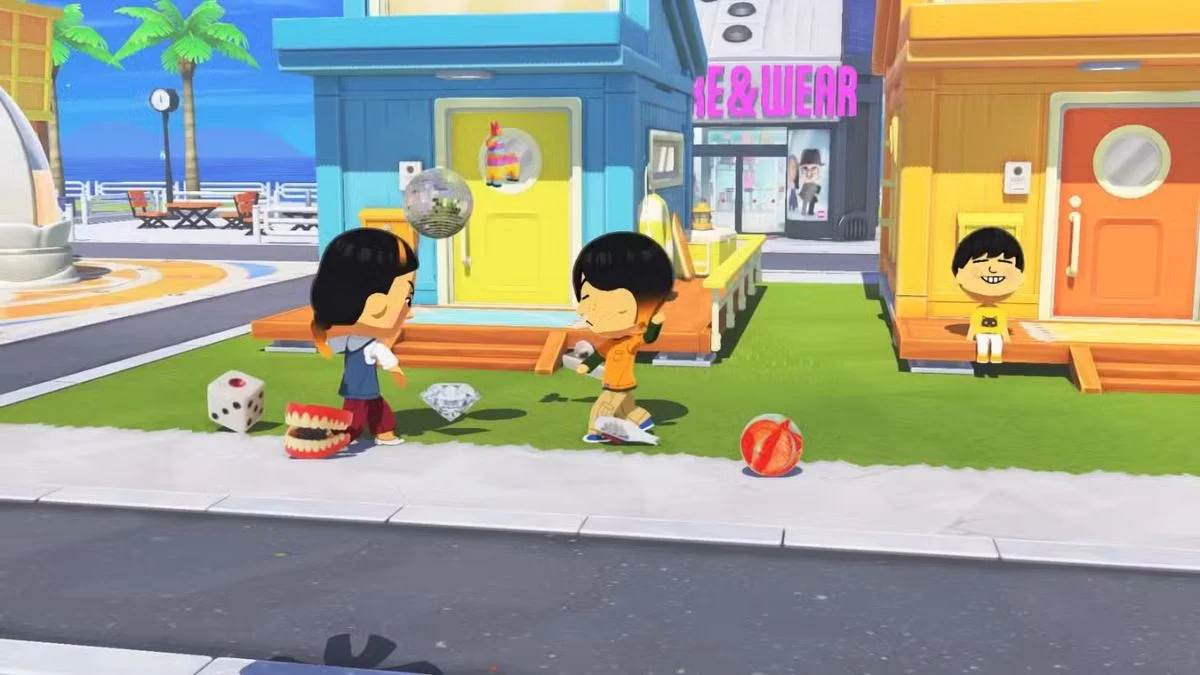
Tomodachi Life: Living the Dream is a life simulation game on Nintendo Switch where your island runs on drama, relationships, and chaos. If you want to stir things up and engineer some genuine conflict between your residents, you actually can. However, the game does not hand you a simple “make enemies” button. The negative relationship system works in a specific way, and understanding it makes all the difference. Here is everything confirmed about how Miis develop negative feelings toward each other and what you can do to push things in that direction.
Make Miis Hate Tomodachi Life: Living the Dream
| Detail | Information |
| Game | Tomodachi Life: Living the Dream |
| Developer | Nintendo |
| Release Date | April 16, 2026 |
| Price | $59.99 / £49.99 |
| Platforms | Nintendo Switch / Nintendo Switch 2 |
| Can Miis Hate Each Other? | Yes, through deteriorating relationships |
| Can You Force Instant Hatred? | No, it develops naturally over time |
| Game Rating | ESRB E (Comic Mischief, Mild Fantasy Violence) |

Can Miis Actually Hate Each Other?
Yes. Miis in Tomodachi Life: Living the Dream can develop genuinely negative relationships and move toward actively disliking each other. Their relationship status can drop to states described as “not getting along” or “not good,” reflecting real tension between residents on your island.
However, there is an important catch. You cannot force two Miis to hate each other from the start. The game heavily favours positive or neutral interactions at the baseline, meaning two completely new residents are not going to immediately clash the moment you introduce them. Negative relationships grow out of prior connections, and that is the key mechanic to understand before trying to engineer any island drama.
The Golden Rule: Friends First, Enemies Later
This is the most important thing to know. Miis need to become friends before they can develop a genuine dislike for each other. A total stranger cannot despise another Mii on your island because they have no established bond to break. The conflict system in Living the Dream is built on top of existing relationships, not a replacement for them.
So if you want two specific Miis to end up as enemies, the process starts by getting them to like each other first. Once a friendship is established, the conditions for arguments, brawls, and deteriorating relationships become possible.
How Negative Relationships Develop
Once two Miis are friends, tensions can begin building naturally. Here is how the process unfolds step by step:
Step 1: The Failed Introduction
When you try to introduce two Miis to each other, the interaction does not always go smoothly. Sometimes it fails and leaves the encounter awkward or tense rather than friendly. These early negative interactions begin laying the groundwork for a deteriorating relationship over time.
Step 2: Arguments Break Out
Once Miis are established friends, they can begin having arguments. You will see an orange bubble appear in or near a window when a conflict is brewing. At this stage, the two Miis are visibly angry and refusing to resolve things on their own. You have the option to intervene and attempt to fix it, or you can leave it alone and let the relationship continue to slide.
Step 3: Full Blown Brawls
If an argument escalates, the situation moves from verbal conflict to Miis physically throwing household objects at each other in a cartoon dust cloud. This is confirmed behaviour in Living the Dream and represents the peak of open conflict between two residents. At this stage, apologies no longer work automatically. You need to physically calm them down by tapping the screen or using a music box item before any reconciliation attempt can even begin.

Step 4: Relationship Status Drops
Repeated arguments and unresolved conflicts gradually push the relationship status down from “like-minded” or positive territory toward “not getting along” or “not good.” These are the confirmed negative relationship states in the game and represent genuine animosity between two Miis.
Environmental Triggers That Cause Conflict
Beyond direct arguments, there are environmental triggers that can cause Miis to develop irritation toward each other:
- Third-Mii interference – If two Miis are in the middle of a conversation and a third Mii repeatedly walks between them, the two having the conversation will become genuinely annoyed. This is a confirmed in-game behaviour that contributes to relationship friction without requiring a direct argument.
- Rejected interactions – Not every attempt to introduce or pair Miis goes well. A failed interaction leaves a tense undercurrent between those two characters that can develop into something more negative over time.
- Personality clashes – Miis with incompatible personality types are more likely to produce negative or neutral reactions when brought together. The game does not explicitly tell you which personalities clash, so some trial and error is part of the process.
How to Check Relationship Status
You can monitor exactly where two Miis stand with each other through the Relationship Rankings feature. To access it, check on a Mii and look at their profile, which shows their dynamics with other residents including both positive and negative impressions. A full list of relationships is also viewable by pressing Y and selecting the Relationship Rankings tab in the menu.
Keeping an eye on this screen lets you track which relationships are trending negative without having to wait for a conflict bubble to appear on a window.
What Happens After a Fight
Once a significant argument or brawl occurs, you have a choice to make as the island’s caretaker:
- Intervene and reconcile – You can drag and drop the two conflicting Miis close together and have them make up. Watching them talk it out and resolving the conflict will push the relationship back in a positive direction and often gives you a large experience boost.
- Leave it alone – If you want the negative relationship to persist and deepen, simply do not intervene. Unresolved conflicts allow the deterioration to continue naturally.
- Send one Mii on a trip – If a Mii falls into a severe emotional slump following a major fight, a Travel Ticket is confirmed as the most effective way to reset their mood entirely, wiping the sadness gauge in one action. However, this also reduces the opportunity for the conflict to escalate further if that is what you are after.
Items That Help Manage or Worsen Conflict
| Item or Action | Effect on Conflict |
| Travel Ticket | Instantly resets a depressed Mii’s mood, effectively ending a post-fight slump |
| Music Box | Calms down Miis during a full brawl so reconciliation can begin |
| Dragging Miis Together | Triggers a conversation that can either repair or neutralise tension |
| Ignoring Orange Bubbles | Allows conflicts to escalate naturally toward brawl level |
| Introducing Incompatible Miis | Increases the likelihood of failed interactions and early tension |

What You Cannot Control
It is worth being clear about the limits of the system. Tomodachi Life: Living the Dream heavily favours positive and neutral interactions by design. The game does not give you a direct tool to force hatred between specific Miis on demand. You cannot set a relationship to negative manually, and you cannot guarantee that two Miis will become enemies even after multiple failed interactions.
The conflict system is driven by the game’s simulation engine rather than player commands. Your role is to create the conditions where conflict is more likely, such as introducing personality-incompatible Miis, allowing arguments to go unresolved, and not intervening when brawls break out. The actual escalation happens on the game’s own terms.


Leave a Reply