

Introduction: A Super Bowl Moment That Sparked a Cultural Firestorm
Super Bowl halftime shows are designed to be unforgettable. But the 2026 halftime performance by global superstar Bad Bunny didn’t just make history—it ignited a nationwide debate about culture, language, and representation in American entertainment.
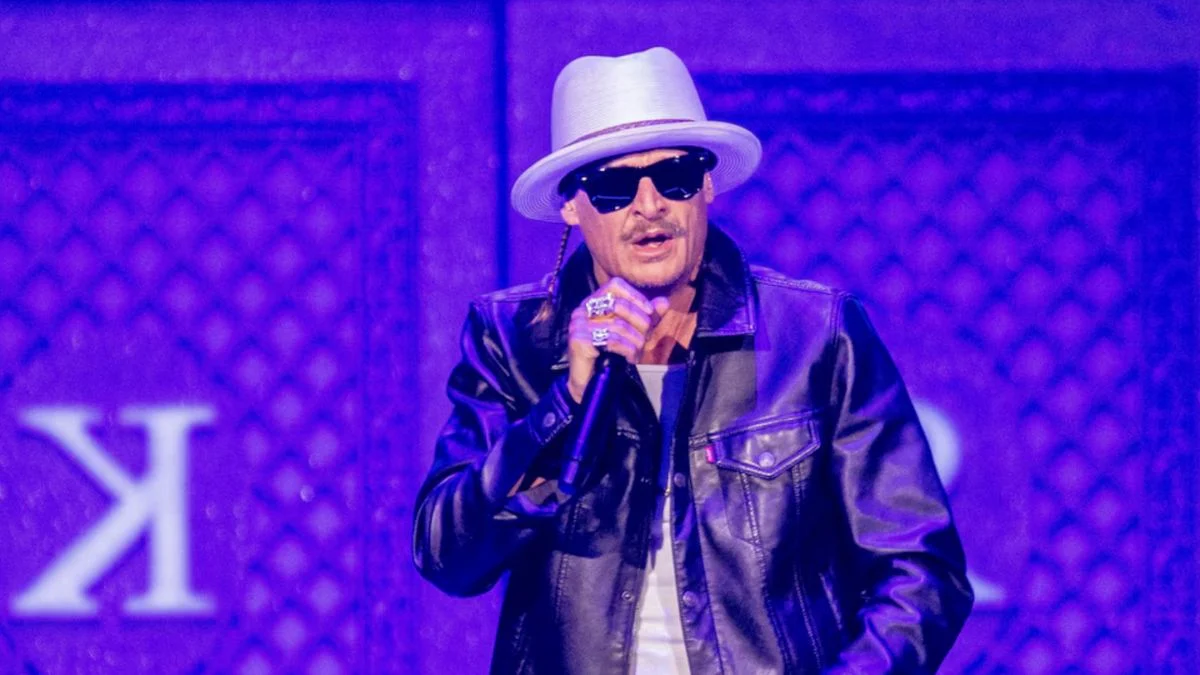
The controversy erupted when American musician Kid Rock reacted publicly to Bad Bunny’s Spanish-language halftime show, saying he “didn’t understand any of it.” The remark, delivered during a Fox News interview, triggered a wave of media coverage, political commentary, and social media backlash.
What began as a personal opinion about a music performance quickly became a flashpoint for broader discussions about diversity, inclusivity, and the evolving identity of the Super Bowl halftime stage.
This article breaks down the full incident, context, timeline, media interpretations, and public reaction—revealing how a single quote became a trending cultural controversy.
Super Bowl LX Halftime Show 2026: Bad Bunny’s Historic Performance
The 2026 Super Bowl halftime show took place at Levi’s Stadium in Santa Clara, California, during Super Bowl LX on February 8, 2026. Headlined by Puerto Rican superstar Bad Bunny (Benito Antonio Martínez Ocasio), the performance marked a historic milestone.

Key Highlights of Bad Bunny’s Halftime Show
- First Super Bowl halftime show performed entirely in Spanish
- Focused on Latin culture, unity, and high-energy choreography
- Featured a mix of reggaeton and Latin pop hits
- Included guest appearances and large-scale dance production
- Drew an estimated 135 million viewers worldwide
The performance was widely praised for its representation of Latin culture and global music influence, reflecting Bad Bunny’s massive streaming success and chart dominance.
Kid Rock’s Reaction: “Like Most People, I Didn’t Understand Any of It”
The controversy began the next day.
On February 9, 2026, Kid Rock appeared on Fox News’ The Ingraham Angle and shared his thoughts on Bad Bunny’s halftime show.
Kid Rock’s Key Quotes
- “Like most people, I didn’t understand any of it.”
- He observed “a lot of dancers and a lot of big to-do stuff.”
- He said the show was “not my cup of tea.”
- He stated he held no personal grudge against Bad Bunny
- He criticized the NFL for selecting Bad Bunny
- He praised Turning Point USA (TPUSA) for hosting an alternative halftime broadcast
- He referred to Bad Bunny as a “poor rich kid”
Kid Rock emphasized that he didn’t blame Bad Bunny personally for performing but instead blamed the NFL for choosing him and TPUSA for needing to offer an alternative.
TPUSA’s Alternative Halftime Show: A Rival Broadcast
While Bad Bunny performed at the Super Bowl, conservative organization Turning Point USA (TPUSA) hosted a competing halftime livestream event.

TPUSA Alternative Halftime Show Details
- Headlined by Kid Rock (Robert James Ritchie)
- Broadcast on YouTube
- Attracted around 6 million viewers
- Marketed as an alternative for viewers seeking a different style of entertainment
Kid Rock’s performance itself became controversial due to accusations of lip-syncing, which he addressed in the same Fox News interview. He explained that the performance was pre-taped, and any sync issues were caused by energetic stage movements.
Timeline Table: Key Events in the Kid Rock–Bad Bunny Controversy
| Date | Event | Person/Organization | Details |
| Feb 8, 2026 | Super Bowl LX Halftime Show | Bad Bunny | First all-Spanish halftime show; ~135M viewers |
| Feb 8, 2026 | Alternative Halftime Livestream | Turning Point USA | Kid Rock performs; ~6M YouTube viewers |
| Feb 9, 2026 | Fox News Interview | Kid Rock | Says “I didn’t understand any of it” |
| Feb 9–10, 2026 | Viral Social Media Clips | Acyn, Grabien, Entertainment News | Quote spreads online |
| Feb 10, 2026 | Trending Discussions | X, Instagram, YouTube | Debate over culture, language, and NFL choices |
Media Coverage: How News Outlets Framed the Quote
Kid Rock’s comment quickly dominated headlines across major media outlets. Each framed the remark differently, highlighting its cultural implications.
Notable Headlines and Angles
| Outlet | Headline or Quote | Main Angle |
| The Hill | “Kid Rock on Bad Bunny show: ‘Like most people, I didn’t understand any of it’” | Language barrier focus |
| San Francisco Chronicle | Notes rival show and no personal blame | Contextual critique |
| TMZ | Complaints about not understanding the show | Entertainment reaction |
| Daily Mail | Links to lip-syncing controversy | Rival show drama |
| Variety | Emphasizes blaming NFL | Industry critique |
| OK Magazine | “Not my cup of tea” | Personal taste angle |
Media narratives ranged from cultural commentary to entertainment drama, amplifying the controversy across mainstream audiences.

Language and Cultural Debate: What Did Kid Rock Really Mean?
One of the biggest debates centered on the meaning of Kid Rock’s phrase “I didn’t understand any of it.”
Interpretations of the Comment
1. Language Barrier
Many outlets and social media users suggested the remark referred to the Spanish-language performance, interpreting it as commentary on non-English content in American entertainment.
2. Style and Production Critique
Kid Rock also mentioned choreography and spectacle, suggesting he simply didn’t connect with the musical style or presentation.
3. Broader Cultural Commentary
Others saw the comment as part of a larger conservative backlash against diversity in mainstream entertainment.
The ambiguity of the statement allowed multiple interpretations, fueling viral debates.
Political and Cultural Backlash
The controversy grew beyond music commentary when political figures joined the conversation.
Donald Trump’s Reaction
Former President Donald Trump criticized Bad Bunny’s halftime show, calling it:
- “Ridiculous”
- An “affront”
His remarks amplified conservative commentary and polarized public discourse.
Support for Bad Bunny
Meanwhile, many fans and commentators praised the performance for:
- Celebrating Latin culture
- Representing Spanish-speaking audiences
- Breaking barriers on a global stage

Social Media Reaction and Trending Status
Kid Rock’s quote exploded across social media platforms, especially X (formerly Twitter), Instagram, and YouTube.
Trending Hashtags
- #KidRock
- #BadBunny
- #SuperBowlHalftime
- #NFL
High-Engagement Posts
- Acyn (@Acyn) shared the Fox News clip, gaining:
- 207 likes
- 180 replies
- 127,372 views
- 207 likes
- #TuckFrump (@realTuckFrumper) shared The Hill article with debates on inclusivity.
- Grabien (@GrabienMedia) posted a video clip with targeted engagement.
- Entertainment News (@EntertainMeHub) shared headlines with photos and links.
Public Sentiment: Divided but Viral
Social media responses were sharply divided:
Supporters of Kid Rock
- “Understanding is not required for a good time.”
- Defended personal taste and music preference.
Critics of Kid Rock
- Accused him of xenophobia or cultural insensitivity.
- Mocked the comment as outdated or disconnected.
Fans of Bad Bunny
- Celebrated the show’s energy and inclusivity.
- Highlighted the global success of Spanish-language music.
Despite strong opinions, no major organized backlash campaigns emerged—though the debate dominated entertainment news cycles.

Why This Moment Became a Cultural Flashpoint
The Kid Rock–Bad Bunny controversy reflects larger shifts in American entertainment:
1. Globalization of Pop Culture
Spanish-language music now dominates global charts and streaming platforms.
2. Changing Super Bowl Identity
The halftime show increasingly reflects global audiences, not just American listeners.
3. Cultural and Political Polarization
Entertainment events often become proxies for broader political and cultural debates.
Kid Rock’s remark, whether intended as a stylistic critique or linguistic observation, landed at the intersection of all three trends.
Conclusion: More Than Just a Music Opinion
What started as a simple opinion about a halftime show quickly evolved into a national conversation about culture, language, and representation.
Kid Rock clarified that he had no personal issue with Bad Bunny, praised his success, and criticized the NFL’s decision-making instead. Yet his phrase “I didn’t understand any of it” became a viral soundbite that symbolized deeper divides in American entertainment and politics.
Bad Bunny’s Super Bowl performance will likely be remembered not only for breaking records and celebrating Latin culture but also for igniting a debate about who the Super Bowl halftime stage is really for in a globalized world.
As music continues to transcend language barriers, moments like this highlight how cultural shifts can spark controversy—even when framed as personal taste.


Leave a Reply