

When the Super Bowl arrives each year, the halftime show is no longer just a musical break — it’s a cultural battleground. Super Bowl LX on February 8, 2026, at Levi’s Stadium in Santa Clara, California, has proven that more than ever. What should have been a celebration of music and sport has instead ignited one of the biggest entertainment controversies of the decade, centered on Puerto Rican superstar Bad Bunny.
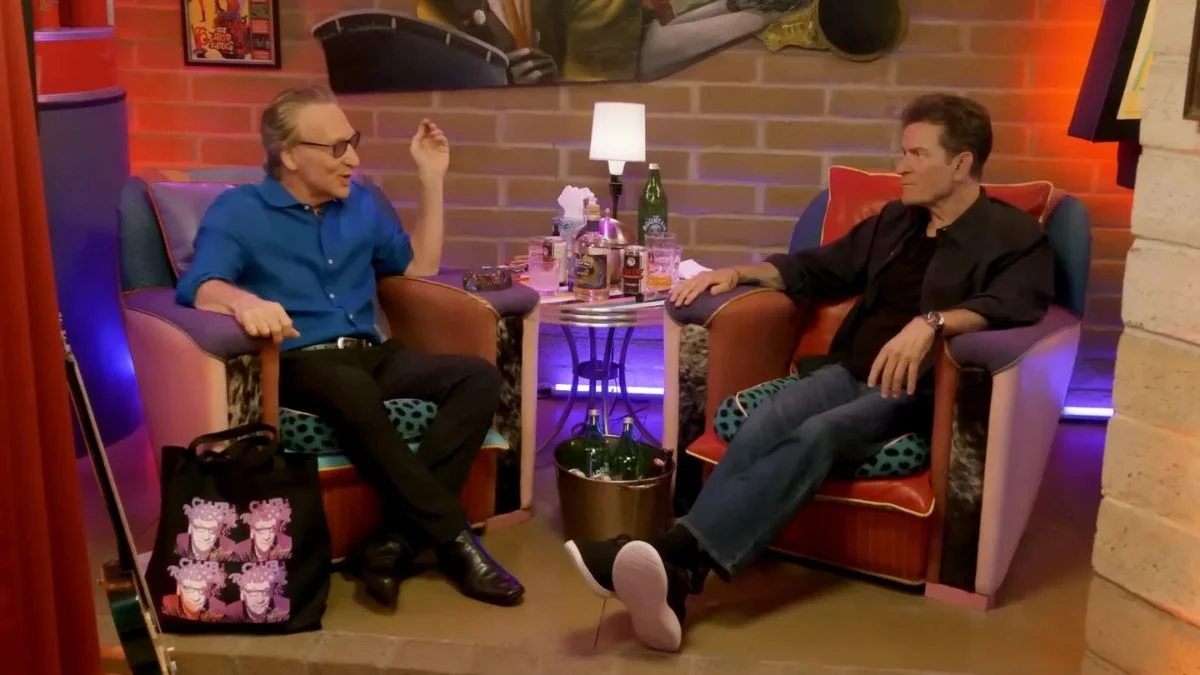
At the heart of the debate is a resurfaced clip from Bill Maher’s Club Random podcast featuring actor Charlie Sheen, renewed political tension fueled by President Donald Trump, and an online culture war about identity, language, and what the Super Bowl “should” represent. Slowly, a few casual comments turned into a nationwide argument over culture, patriotism, and representation — all unfolding just as millions tune in for the biggest sporting event of the year.
This is the full, verified breakdown of the Bad Bunny Super Bowl halftime show controversy, why it exploded in 2026, and how music, politics, and social media collided at Super Bowl LX.
The Origin of the Bad Bunny Super Bowl Halftime Show Backlash

The story begins months before kickoff. In late September 2025, the NFL officially announced Bad Bunny — real name Benito Antonio Martínez Ocasio — as the headliner for the Super Bowl LX halftime show. The move was historic: Bad Bunny became the first Latin artist to solely headline the Super Bowl halftime performance.
Previous Latin icons like Jennifer Lopez and Shakira performed in 2020, but as co-headliners. The NFL framed Bad Bunny’s booking as part of its global expansion strategy, highlighting his billions of streams, international reach, and crossover dominance across reggaeton, Latin trap, and pop.
In January 2026, Green Day was added as an opener, creating a genre-blending lineup meant to connect generations. As usual, Bad Bunny would not be paid directly by the NFL, since halftime performers receive exposure rather than a performance fee — exposure that often leads to massive streaming and sales boosts.
While the announcement was initially celebrated, debate quietly simmered beneath the surface.

Charlie Sheen and Bill Maher’s Resurfaced Podcast Comments
The spark that reignited everything came from an old clip.
In October 2025, actor Charlie Sheen appeared on Bill Maher’s Club Random podcast. During the conversation, Sheen criticized the NFL’s halftime direction, saying the league needs to “figure out the halftime show” to better appeal to “diehard fans.”
Referring to Bad Bunny, Sheen said:
“Yeah. I mean, there’s bands, there’s acts, there’s just people that I think are more germane to the experience of the game, of that moment, of that particular game.”
Maher agreed, and both men admitted they had never actually listened to Bad Bunny’s music. Sheen added that the Super Bowl isn’t a “club night,” suggesting Bad Bunny’s reggaeton and Latin trap style didn’t fit traditional football culture.
At the time, the clip barely circulated. But in early February 2026, as Super Bowl hype exploded, the segment resurfaced across social media.
Verified accounts helped amplify it:
- Mario Nawfal (@MarioNawfal) posted the clip with the caption:
“CHARLIE SHEEN TO BILL MAHER: ‘BAD BUNNY SHOULDN’T DO THE SUPER BOWL HALFTIME SHOW’”
The post reached over 243,000 views. - Brandon Straka (@BrandonStraka) reposted it, calling Bad Bunny a mismatch for the halftime vibe, pulling in over 73,000 views.
Other verified users, including Spanish-language accounts, shared translations, highlighting the cultural divide.
Suddenly, Sheen and Maher were facing backlash, with critics accusing them of cultural insensitivity toward one of the most influential global artists alive.
Why Bad Bunny’s Super Bowl Performance Matters Culturally
Bad Bunny isn’t just another pop act. He’s a symbol of modern global music.
He became the first Spanish-language artist to top Spotify’s global charts, redefining what mainstream success looks like in the U.S. market. His music regularly crosses language barriers, dominating streaming platforms while influencing fashion, film, and activism.
The NFL’s decision to place a Spanish-speaking headliner at the center of its most American tradition was deliberate. The league sees younger and international audiences as its future, and Bad Bunny represents that shift.
Yet, for some critics, the inclusion of Spanish-language music at football’s biggest event triggered debates about what feels “traditional,” exposing generational and cultural tension rather than just musical taste.

Trump’s Boycott and Political Escalation of the Bad Bunny Debate
What transformed entertainment debate into political controversy was President Donald Trump’s involvement.
In a January 24, 2026 interview with The New York Post, Trump slammed the Super Bowl lineup, including Bad Bunny and Green Day, calling it a “terrible choice.”
Trump said:
“I’m anti-them. I think it’s a terrible choice.”
He announced he would skip the Super Bowl, publicly tying his absence to both distance and disagreement with the performers’ politics.
Trump’s role went further:
- He echoed claims that Bad Bunny is “un-American” and promotes “hate.”
- Homeland Security Secretary Kristi Noem announced that ICE enforcement operations would take place at the Super Bowl, which many interpreted as politically charged amid immigration debates.
- Trump praised alternatives like Kid Rock, who headlined a competing “All American” halftime show organized by Turning Point USA, a conservative counter-programming effort.
With that, Bad Bunny’s performance stopped being about music and became a political symbol.
Verified Trending Reactions on Super Bowl 2026 Controversy
As of February 8, 2026, the controversy dominated social and news platforms. Below is a snapshot of verified trending activity.
| Platform / Source | Key Content | Engagement | Date |
| X – @MarioNawfal | Shared Sheen-Maher clip with “not germane” quote | 243K views | Feb 8, 2026 |
| X – @BrandonStraka | Reposted clip criticizing Bad Bunny’s fit | 74K views | Feb 8, 2026 |
| X – @akafaceUS | Highlighted Maher’s agreement | 8K views | Feb 8, 2026 |
| X – @JaviXCubaLibre | Spanish translation highlighting cultural divide | 42K views | Feb 8, 2026 |
| X – @fox7austin | Reported ICE operations amid Trump boycott | Jan 27, 2026 | |
| X – @ARISEtv | Trump skips Super Bowl over lineup | Jan 26, 2026 | |
| Web – Yahoo, ESPN, BBC | Articles on resurfaced clip and political feud | High traffic | Feb 6–8, 2026 |
| Reddit – r/Music | Resurfaced Bad Bunny Trump diss tracks | Viral | Feb 2026 |
Trending hashtags include #SuperBowl2026, #BadBunny, #TrumpBoycott, #BadBunnyHalftimeShow, keeping the topic alive across platforms.
Why the Bad Bunny Super Bowl Halftime Tension Keeps Rising
The conflict is deeper than a playlist dispute.
Cultural Clash
Critics argue that reggaeton and Spanish lyrics don’t match what they see as the “traditional” Super Bowl audience — English-speaking, rock- or country-oriented. Supporters counter that the NFL’s audience is global and evolving.

Political Polarization
Bad Bunny is a vocal Trump critic. He condemned the administration’s Hurricane Maria response in Puerto Rico, endorsed Kamala Harris in 2024, and recently told the Grammys audience “ICE out,” challenging immigration policies.
To conservatives, his Super Bowl slot symbolizes “woke” culture. To supporters, it represents long-overdue inclusion.
Immigration and Identity
Despite being a Puerto Rican U.S. citizen, Bad Bunny has faced online calls for “deportation,” exposing xenophobia and misunderstanding about Puerto Rico’s status.
Media Amplification
Old clips, Trump’s statements, and viral posts turned what could have been a small disagreement into a national culture war amplified by algorithms.
Timeline of Events Leading to the Bad Bunny Super Bowl Controversy
| Year / Date | Event | Key Names |
| 2017 | Bad Bunny criticizes Trump’s Hurricane Maria response | Bad Bunny, Trump |
| 2024 | Bad Bunny endorses Kamala Harris | Bad Bunny |
| Oct 2025 | Sheen-Maher podcast airs | Charlie Sheen, Bill Maher |
| Sept 2025 | NFL announces Bad Bunny as halftime headliner | NFL, Bad Bunny |
| Jan 2026 | Green Day added; Trump slams lineup | Trump, Green Day |
| Jan 2026 | Turning Point USA launches rival show | Kid Rock |
| Early Feb 2026 | Bad Bunny says “ICE out” at Grammys | Bad Bunny |
| Feb 2026 | Sheen clip resurfaces | Social media |
| Feb 8, 2026 | Super Bowl LX, tensions peak | NFL, Trump, Bad Bunny |
What Happens After Bad Bunny’s Super Bowl Performance?
The NFL insists the halftime show is about unity. Commissioner Roger Goodell has defended the lineup, saying the Super Bowl should bring people together through culture and music.
But the reality is clear: Bad Bunny’s performance is no longer just entertainment. It’s a mirror reflecting America’s debates over identity, politics, and globalization.
If Bad Bunny includes political symbolism, Spanish-language dominance, or subtle messaging, reactions will intensify after the game. If he simply delivers a musical spectacle, critics may still frame it through ideology rather than art.
Either way, Super Bowl LX has already made history — not just for football, but for how culture, politics, and music collide on the world’s biggest stage.
And when Bad Bunny finally steps onto that field in Santa Clara, millions won’t just be watching a halftime show. They’ll be watching the next chapter in America’s ongoing cultural conversation.


Leave a Reply