

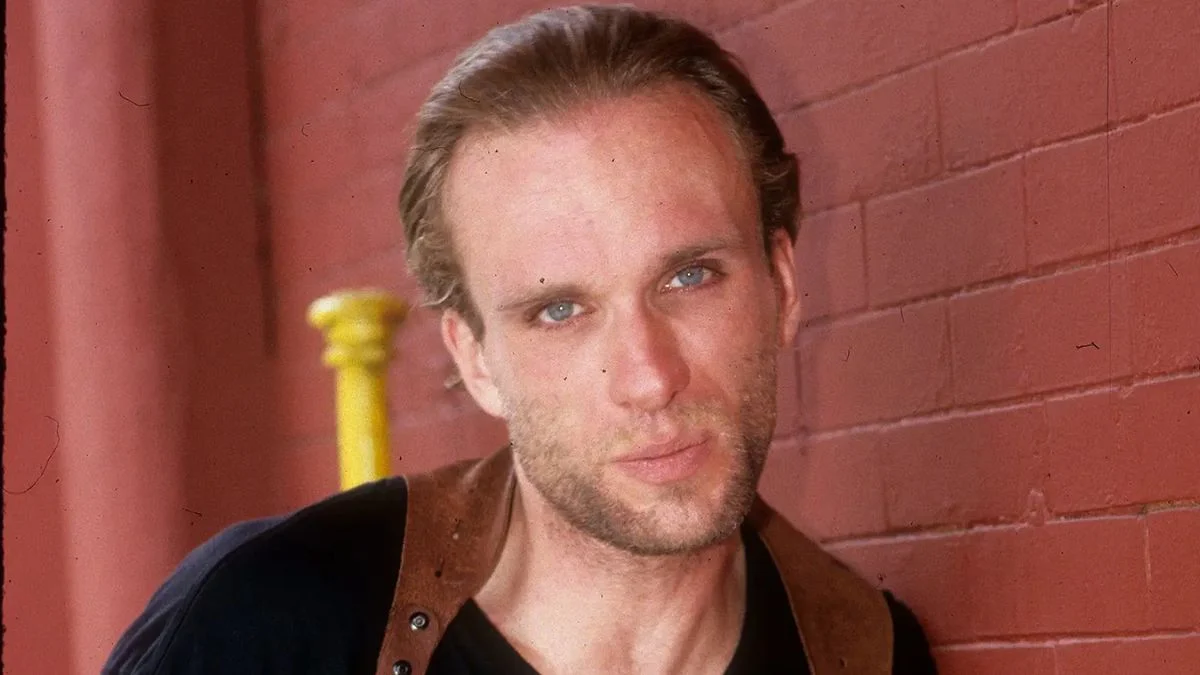
Hollywood’s character actors often leave behind a legacy far larger than their fame, and Peter Greene was one of those rare performers whose presence lingered long after the credits rolled. Known for his unforgettable villainous roles in Pulp Fiction and The Mask, Greene’s gritty authenticity and intense performances carved out a distinct place in American cinema.
When news of his death surfaced in December 2025, the circumstances immediately captured public attention. Now, with the official medical examiner’s ruling released, the full story of Peter Greene’s final days, career legacy, and the events surrounding his passing can be examined with verified clarity.
This article details everything confirmed—from the discovery timeline and autopsy findings to tributes and the actor’s lasting impact—presented in a narrative designed to unfold gradually and keep readers engaged to the end.
Who Was Peter Greene? A Career Built on Intensity and Authenticity
Peter Greene was a respected American character actor who built a four-decade career portraying dark, complex, and often villainous characters. He rose to mainstream recognition in 1994 with two iconic roles:
- Zed, the sadistic security guard in Quentin Tarantino’s Pulp Fiction
- Dorian Tyrell, the ruthless gangster in The Mask
Beyond these mainstream hits, Greene delivered critically acclaimed performances in films such as Clean, Shaven (1993), Laws of Gravity (1992), The Usual Suspects (1995), and Training Day (2001). He also continued working in television and film well into the 2020s, including a role in The Continental (2023).
Despite a troubled youth—he ran away from home at 15 and experienced homelessness—Greene reinvented himself through acting, eventually becoming known for his raw improvisational style and dedication to realism.

Timeline of Peter Greene’s Death: Verified Events and Discovery
The events surrounding Greene’s death unfolded over several days in December 2025, beginning with an unusual disturbance that alarmed neighbors.
Key Timeline Table
| Date & Time | Event | Official Details |
| Dec 10, 2025 ~3:00 a.m. | Loud Christmas music begins blasting from Greene’s apartment | Neighbors notice continuous noise |
| Dec 10–12, 2025 | Music continues nonstop; knocks unanswered | Building management contacted |
| Dec 12, 2025 (Afternoon) | Locksmith enters apartment | Greene found facedown with facial injury and blood present |
| Dec 12, 2025 ~3:25 p.m. | NYPD responds | No foul play suspected |
| Dec 13, 2025 | Autopsy performed | Cause withheld pending investigation |
| Feb 18, 2026 | OCME releases official cause of death | Accidental gunshot wound to left axilla |
Discovery Inside the Manhattan Apartment
Neighbors in Manhattan’s Lower East Side became concerned when loud Christmas music began blasting around 3 a.m. on December 10, 2025. The music continued nonstop for days, prompting repeated attempts to reach Greene.
After no response, a neighbor and building management requested a wellness check. A locksmith entered the apartment on December 12 and found Greene facedown on the floor with a facial injury and blood present.
A handwritten note was reportedly found near or on the door, containing the phrase “I’m still a Westie,” a reference to the Irish-American Westies gang from Hell’s Kitchen. While intriguing, authorities did not link the note to criminal activity.
The New York Police Department arrived around 3:25 p.m. and immediately stated there was no suspicion of foul play.

Official Cause of Death Confirmed Two Months Later
On February 18, 2026, the New York City Office of the Chief Medical Examiner released its official ruling.
Cause of Death:
Gunshot wound of left axilla with injury of brachial artery
Manner of Death:
Accident
The brachial artery is a major blood vessel supplying blood to the arm and hand. The self-inflicted wound in Greene’s left armpit led to rapid blood loss, which proved fatal.
Authorities have not publicly released details about how the accidental discharge occurred, and no firearm specifics were disclosed.
Multiple major outlets—including TMZ, NBC News, People, Variety, ABC7, and others—confirmed the medical examiner’s ruling directly.
Addressing Early Speculation and Official Closure
Because Greene had a history of substance abuse and a documented suicide attempt in 1996, early speculation circulated online regarding the nature of his death.
However, the OCME’s classification of the death as accidental officially closed any speculation about suicide or foul play. No contradictory evidence or alternative theories have emerged in verified reporting.
Health, Surgery Plans, and Ongoing Projects at the Time of Death
In a tragic twist, Greene was scheduled for surgery on December 12, the same day his body was discovered. The procedure was intended to remove a benign tumor near his lung, described by his manager as “not super serious.”
Despite the upcoming surgery, Greene was reportedly healthy, active, and often seen biking around New York.
He was also professionally active:
- Co-producing and narrating the documentary From the American People: The Withdrawal of USAID
- Preparing to star in the indie thriller Mascots alongside Mickey Rourke
His manager encouraged fans to support the documentary’s GoFundMe campaign in his honor.
Tributes From Manager, Neighbors, and Hollywood
Greene’s longtime manager, Gregg Edwards, confirmed his death and expressed profound shock.
“Nobody played a bad guy better than Peter… a heart as big as gold.”
Edwards described him as a brilliant, unique, perfectionist actor with improvisational talent and a deep commitment to authenticity. He noted Greene’s reputation for being tough on set but emphasized his generosity and creative intensity.
Neighbor Mary Patierno also offered a heartfelt tribute:
“He was such a nice guy. He was so helpful… I didn’t find him difficult.”
These quotes paint a more nuanced portrait of Greene—an intense performer on screen, but a kind and helpful presence in everyday life.
A Troubled Past and a Powerful Reinvention
Greene’s life story was marked by struggle and reinvention. After running away from home at 15 and experiencing homelessness, he eventually turned to acting in his mid-20s.
He openly struggled with substance abuse in the 1990s, including heroin and cocaine addiction, and was arrested in 2007 for crack cocaine possession. Despite these challenges, he rebuilt his career and remained a working actor for decades.
He also survived a suicide attempt in March 1996, making his later life and career a testament to resilience and creative survival.

Why Peter Greene’s Legacy Still Matters
Peter Greene was never a traditional Hollywood leading man, but he became a defining presence in some of the most influential films of the 1990s and early 2000s. His performances were raw, unpredictable, and deeply human—even when playing villains.
Films like Pulp Fiction, The Mask, and Training Day remain cultural touchstones, and Greene’s characters continue to be remembered decades later.
His work in independent cinema, particularly Clean, Shaven, also earned critical respect for portraying mental illness with empathy and realism.
Current Status and Media Coverage (February 2026)
As of February 19, 2026, the story continues trending across major U.S. news outlets and entertainment platforms. Wikipedia and obituary pages have been updated with the medical examiner’s findings.
No further investigations, family statements, or conflicting reports have surfaced. All verified sources align on the same conclusion: Peter Greene’s death was a tragic accidental gunshot wound, with no evidence of suicide or foul play.

Final Thoughts: A Tragic Ending, A Lasting Legacy
Peter Greene’s death at age 60 marks the end of a career defined by intensity, authenticity, and unforgettable performances. While the circumstances of his passing were tragic, the official ruling provides clarity and dispels speculation.
His story is one of hardship, reinvention, artistic brilliance, and human complexity. From a troubled runaway teenager to a respected Hollywood character actor, Greene’s journey reflects the unpredictable path of life—and the power of cinema to immortalize a performer’s presence.
As tributes continue to pour in, one thing remains certain: Peter Greene’s performances will continue to captivate audiences long after his final scene.


Leave a Reply