

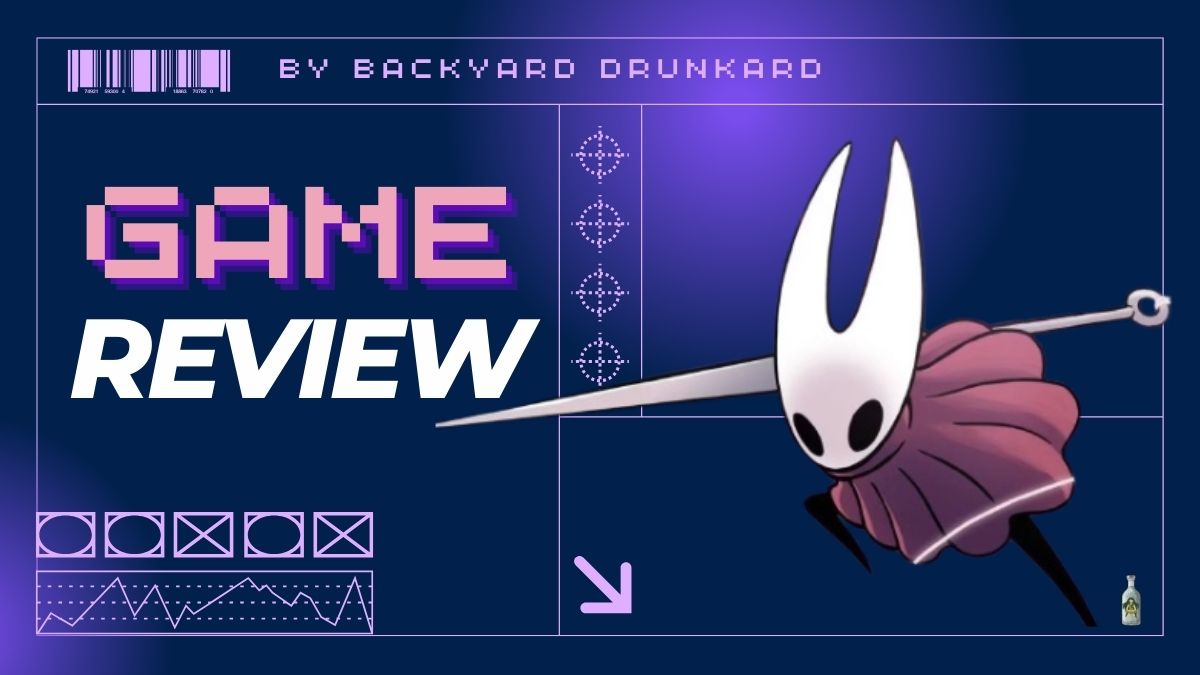
When I first picked up Hollow Knight: Silksong, I expected to be swept away by the same sense of wonder that made Hollow Knight one of my cherished gaming experiences. What I found was something beautifully complex: a game that challenges you in new ways while rewarding your persistence with moments of genuine brilliance.
As a Metroidvania, Silksong excels in the ways that matter most. The interconnected world of Pharloom unfolds with purpose, each new area revealing secrets that make backtracking feel rewarding rather than tedious. The environmental storytelling rivals anything in the genre, weaving narrative threads through gorgeous level design that begs exploration. While the game certainly demands patience and skill, it’s important to recognize that Silksong delivers genuine payoffs for your perseverance. When Hornet’s movement clicks, when you master a particularly challenging boss, when the stunning art and haunting score combine to create those perfect atmospheric moments, you remember exactly why this series has captured so many hearts.
A Visual Poetry in Motion

Silksong is undeniably a visual masterpiece that surpasses its predecessor in every conceivable way. The art direction achieves something remarkable, with each frame feeling like a carefully composed painting. The moss caves shimmer with layers of parallax that create genuine depth, while the industrial forge cities pulse with intricate mechanical details that reward close inspection. This isn’t just beautiful art for its own sake; it’s world-building through visual storytelling that makes every encounter, even the most demanding ones, feel worthwhile. The seamless integration of gameplay and aesthetics creates a world that feels alive and purposeful.
Mastering Hornet’s Dance Feels Like Learning a New Language

- Hornet herself represents one of Silksong’s greatest triumphs. Her enhanced mobility and diagonal dive attacks create a combat rhythm that feels distinctly different from the original Knight.
- The premise of playing as Hornet, now awakening in the unfamiliar kingdom of Pharloom as both hunter and hunted, adds compelling context to her more aggressive, survival-focused moveset.
- Unlike the Knight’s methodical soul-gathering approach, Hornet must weave silk thread from defeated enemies to heal, creating a risk-reward system that perfectly mirrors her predicament as an outsider fighting through hostile territory.
- There’s a learning curve, and her movement can feel challenging to master at first, but that’s precisely the point. Her needle combat feels personal and desperate in ways that align with her narrative situation—she’s not exploring by choice but fighting for survival and answers in a land that doesn’t welcome her.
- Once you begin to understand her flow, the combat becomes a graceful dance of positioning and timing. The thread-based healing system, while more demanding than most Soulslike games, encourages aggressive play that aligns perfectly with both Hornet’s acrobatic nature and her urgent circumstances.
- Hornet’s silk abilities aren’t just gameplay mechanics; they’re extensions of her identity as a protector far from home, using every skill at her disposal to navigate Pharloom’s mysteries. It’s a bold design choice that ultimately enhances the character’s unique identity while serving the story’s themes of adaptation and resilience.

Might be Helpful: Hollow Knight: Silksong – How to Use the Taunt Effectively
A World that is as Rewarding as it is Punishing

- The design of Pharloom invites discovery in ways that feel both familiar and fresh. Unlike Hollow Knight’s descent into darkness, Silksong’s vertical emphasis on ascending toward the kingdom’s heights creates a different sense of progression.
- What makes this world truly special is how it balances punishment with reward—Pharloom can be mercilessly unforgiving, but it’s equally generous to those who embrace its challenges with curiosity and persistence.
- Each new ability doesn’t just unlock doors; it transforms how you navigate spaces you’ve already visited.
- The crest system and tool upgrades provide meaningful customization options that let you tailor your approach to challenges.
- Even when the game world seems determined to crush you with environmental hazards or overwhelming enemy encounters, it consistently offers pathways forward for players willing to explore alternative routes or experiment with different ability combinations.
Silksong is Metroidvania design at its most thoughtful, where every upgrade feels significant and every secret feels earned through both suffering and wonder.
The Challenge-Artistry Balance Works (Mostly)

The game’s approach to difficulty deserves nuanced discussion. Silksong is undeniably more challenging than its predecessor, and this isn’t always to its benefit. Some encounters, particularly in areas like Bilewater, can feel overwhelming with their combination of environmental hazards and aggressive enemies. However, it’s crucial to recognize that these moments of high tension are often balanced by quieter exploration sequences and meaningful story beats. The game draws inspiration from Soulslike design philosophy while maintaining its Metroidvania heart, creating something that feels both familiar and evolutionary.
Pacing Sometimes Creates Unnecessary Tension
The game’s pacing occasionally works against its own strengths. Hornet’s enhanced mobility suggests fluid, aggressive gameplay, yet some encounters demand more methodical approaches reminiscent of deliberate Soulslike combat. This creates interesting tension but can sometimes feel at odds with the character’s design. Enemies that dart just outside comfortable range or launch predictive attacks can interrupt the flow that makes Hornet’s movement so satisfying. When the pacing aligns properly, however, the result is combat that feels both challenging and fair.
A Narrative with an Emotional Core
What stood out to me most about Silksong isn’t its mechanical brilliance, but its profound emotional resonance and narrative sophistication. The narrative reveals itself with a delicate balance between subtle storytelling and intricate symbolism. While Silksong remains a Metroidvania with genuine soul, it significantly flourishes in its storytelling approach. The environmental subtleties and character encounters weave intricate layers of meaning that transcend combat encounters, threading together themes of struggle, identity, and the profound cost of survival in alien territories.

Hornet’s passage through Pharloom unfolds as a contemplation on what it means to exist as an outsider—every exchange with the kingdom’s denizens carries emotional weight, every weathered architectural fragment whispers stories of a civilization caught between decay and defiance. Team Cherry’s mastery of embedding complex world-building into level architecture remains unparalleled, yet here they’ve ventured into genuinely moving territory. These spaces pulse not merely with purpose, but with the bittersweet resonance of dreams deferred and hopes stubbornly maintained.
Hence, A Beautiful, Demanding Journey
Silksong occasionally stumbles under the weight of its own ambitions, but these moments are overshadowed by genuine achievement in game design. This is a sequel that takes meaningful risks with its formula while preserving the elements that made Hollow Knight special. The sublime movement mechanics, haunting orchestral score, and atmospheric depth combine to create something that feels both evolutionary and respectful of its origins.

Worth the Seven-Year Wait
Hollow Knight: Silksong is a remarkable achievement that showcases artistic vision and mechanical innovation in equal measure. Its approach to challenge may not suit every player, but those willing to engage with its demands will find a game that rewards patience with moments of transcendent beauty. The core mechanics retain that precise, tactile pleasure that made the original so compelling, while Hornet’s unique abilities create genuinely new gameplay experiences.
For those who found magic in Hollow Knight’s blend of exploration and challenge, Silksong offers that same enchantment, refined and evolved for a new adventure. It’s a demanding journey, but one that ultimately justifies every moment of struggle with equal measures of wonder and accomplishment.
7.5/10 – A worthy successor that pushes the series forward while honouring its legacy, demanding patience but rewarding it generously.
Check Out Our Latest Silksong Game Guides Here:


Leave a Reply