

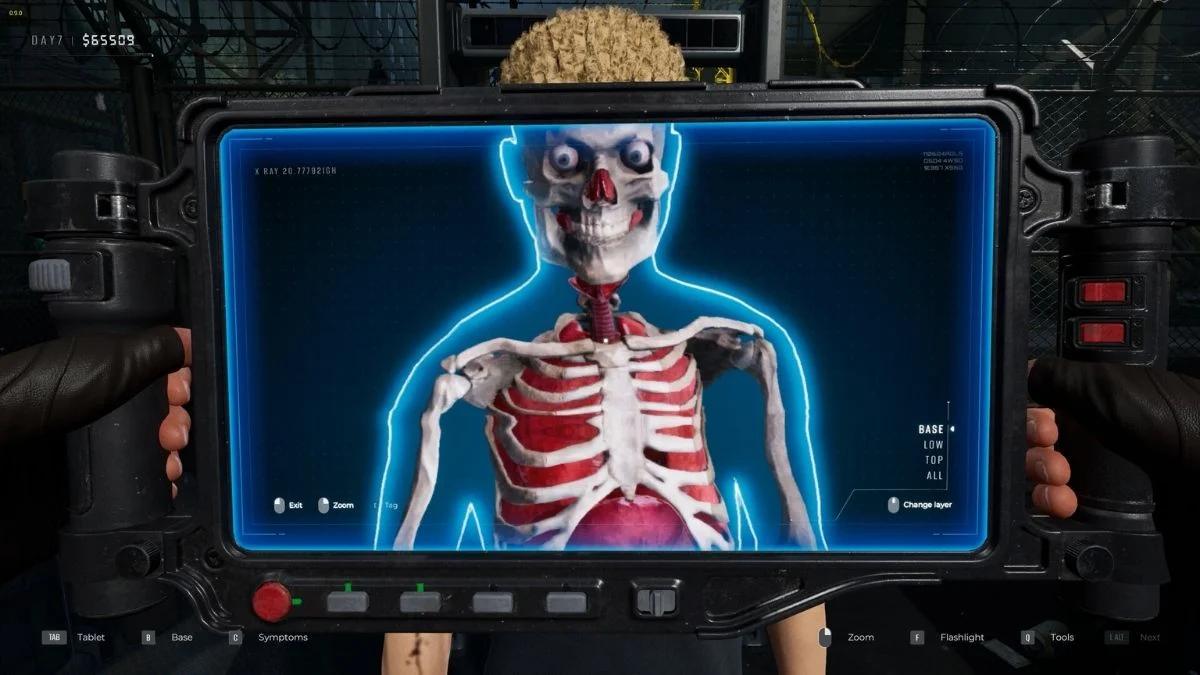
In Quarantine Zone: The Last Check, survival hinges on your ability to read people rather than fight monsters. You operate a checkpoint where every decision shapes the fate of the outpost. Some civilians arrive exhausted, scared, or injured. Others carry an infection that will tear through your defenses if you miss it. The challenge lies in knowing the difference.
This guide explains how to spot infected civilians with confidence, using observation, tools, and pattern recognition. It stays focused on symptoms, how they connect, and how you should respond without rushing or guessing.

What Symptoms Mean in Quarantine Zone
Symptoms act as the game’s language of truth. Each one communicates a specific state of the body. Some symptoms clearly mark infection, while others sit in a gray area and demand caution.
You should never judge a civilian by a single detail unless that detail confirms infection outright. The game rewards players who treat symptoms as pieces of a larger picture. With experience, you begin to sense when something feels wrong even before the tools confirm it.
Visual Signs You Should Always Check First
Your inspection begins before you touch any device.

Eyes often reveal the earliest danger.
Yellow eyes usually remain safe. Red eyes signal infection and leave little room for doubt. Conjunctivitis falls in between and suggests possible infection rather than certainty.

Skin condition offers strong clues.
Freckles, bruises, and red skin often remain harmless. Pale skin, green skin, or necrosis indicate serious problems. Necrosis confirms infection without exception.
Body marks demand strict attention.
Scratches suggest exposure and risk. Bite marks confirm infection and should immediately end the inspection process.
These visual checks help you decide whether deeper testing makes sense or if the decision is already clear.
Temperature and Pulse Reveal Internal Failure
Once you unlock medical tools, inspections shift from surface observation to internal stability.
Body temperature reflects how well the body resists infection.
Readings between 37 and 41 degrees suggest possible infection. Anything above 41 confirms it.
Pulse rate follows similar logic.
A pulse between 120 and 180 signals danger. A pulse above 180 confirms infection and loss of control.
These measurements work best when paired with visual or behavioral signs. Numbers alone rarely tell the full story.
Reflex Tests Expose the Nervous System
Reflex testing introduces controlled stress and shows how the body responds.
A hyper reflex, where a civilian attacks you after being struck with the hammer, suggests possible infection.
A cross reflex, where the opposite limb reacts, confirms infection. The nervous system no longer functions normally.
This test often reveals infection that hides behind normal vitals or appearance.
Breath and Respiration Complete the Picture
Breathing patterns and breath quality provide late but reliable warnings.
Infected breath confirms infection.
Sickly breath often remains safe but still warrants caution.
Nonspecific respiration suggests possible infection and pairs well with quarantine decisions.
Coughing, sneezing, hiccups, and persistent sickness sounds also indicate early infection stages. These symptoms rarely act alone and become meaningful when combined with other signs.
Full List of All Symptoms in Quarantine Zone: The Last Check
Below is the complete symptom list and how you should interpret each one during inspections.
Clearly Safe or Usually Safe
- Yellow Eyes
- Freckles
- Bruises
- Red Skin
- Sickly Breath
Possible Infection
- Conjunctivitis
- Red Bruise
- Skin Cuts
- Skin Rash
- Pale Skin
- Body Temperature between 37 and 41 degrees
- Pulse between 120 and 180
- Hyper Reflex
- Nonspecific Respiration
- Sneezing
- Coughing
- Hiccups
Confirmed Infection
- Red Eyes
- Green Skin
- Necrosis
- Bite Mark
- Body Temperature above 41 degrees
- Pulse above 180
- Cross Reflex
- Infected Breath
When a civilian shows any confirmed infection symptom, execution becomes the safest option. When you see multiple possible infection symptoms, quarantine usually prevents long-term damage.
Using Tools Without Losing Judgment
Scanners and advanced devices uncover hidden wounds and internal markers, but tools should confirm suspicion rather than replace it. Many mistakes happen when players trust a single scan without considering context.
A reliable habit involves confirming at least two warning signs before making irreversible decisions. This approach reduces false positives and protects your resources.
Making Decisions You Can Stand By
Every inspection forces a balance between caution and efficiency. Sending healthy civilians to quarantine wastes time and supplies. Letting an infected one through risks collapse.
Ask yourself three questions before final approval:
- Does the civilian show any confirmed infection symptom?
- Do multiple signs support the same conclusion?
- Does quarantine reduce risk without creating greater harm?

Why Careful Observation Always Wins
Time pressure encourages mistakes. The game tests whether you panic or focus. When you slow down, patterns emerge. Certain symptom combinations repeat. Behavior becomes predictable.
Mastery in Quarantine Zone: The Last Check comes from understanding how symptoms interact, not from memorizing lists alone. When you read civilians as systems rather than checkboxes, infection loses its advantage.


Leave a Reply