

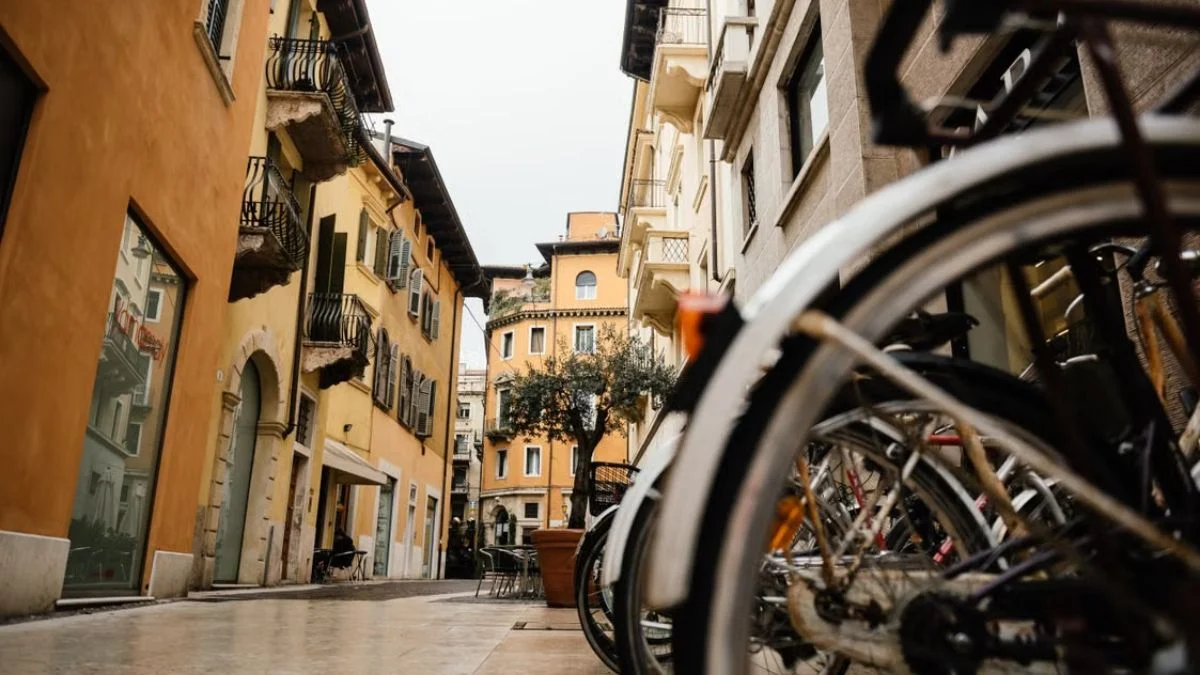
Como, Italy, is famous for Lake Como, stunning architecture and streets packed with visitors. Now, its historic centre is at the centre of a very different kind of controversy: from September 2026, cyclists will have to get off their bikes and walk them through around 30 streets after Mayor Alessandro Rapinese was struck by an electric bike.
The decision has triggered criticism from residents, cycling groups, local organisations and politicians. And while Rapinese says the restrictions are about pedestrian safety, his admission that being hit by an e-bike influenced the decision has made the debate even more heated.
More Institutional Accountability News: Como isn’t the only institution making headlines over how a personal incident shaped a public decision. For more, read our story on Harvard’s $53 million settlement over its stolen body parts scandal.
Why Did Como Ban Bikes in Its Historic Centre After the Mayor Was Hit?
The story begins with an incident involving Rapinese as he was leaving Como’s city hall. Reports differ slightly on whether the collision happened in June or July 2026, but the mayor has confirmed that he was struck by an electric bike.
He suffered bruising but did not need hospital treatment. The cyclist involved has not been identified, and available reporting gives no indication that the rider faced public sanctions connected with the incident.
What makes the story particularly striking is that Rapinese has openly acknowledged that the collision influenced the new rules. He said the administration had already been discussing tighter traffic restrictions, but his own experience helped push the issue forward.
“I’ve been accused of adopting this measure because I was hit by an electric bike – certainly, that is true. People act based on their own experiences and I know what it’s like to be hit by one of these beasts.”
The mayor later discussed the incident in RapiNews24, an online video series he produces himself.
“In this case, I didn’t even end up in the hospital. I was hit by a bike. I gathered information, and that’s where the measure came from.”
Rapinese has also argued that authorities elsewhere sometimes wait for serious accidents before acting on cycling and micromobility problems. In Como, he says, he experienced the danger himself and decided action was needed.
More Tech & Mobility News: Physical mobility and speed records are making headlines well beyond city traffic rules right now. Check out our story on Unitree’s Superman humanoid robot breaking sprint and jump records.
Como Bike Ban Applies to Both E-Bikes and Traditional Bicycles
This is where the new rule gets broader than many might expect.
The restriction is not aimed only at electric bicycles. Both e-bikes and conventional push bikes will be covered. According to the reporting, Italy’s highway code does not distinguish between the two types of bicycles for the purposes relevant to this restriction.
That means riders using either type will have to dismount and push their bikes through the affected streets.
Around 30 roads inside Como’s Roman-walled historic centre will be covered. Several are relatively wide streets in the old town and are frequently used by delivery riders.
Como had already restricted rented electric scooters in parts of the historic centre in 2022. The new bicycle rules therefore form part of a broader attempt to control different types of traffic in one of the city’s busiest pedestrian areas.
| Official detail | Information |
| City | Como, Italy |
| Mayor | Alessandro Rapinese |
| Restriction begins | September 2026 |
| Affected streets | Approximately 30 |
| Bikes covered | Electric and conventional bicycles |
| Protest ride | September 12, 2026 |
| Organiser | Nova Como |
More Traffic & Regulation News: Cities are experimenting with unconventional ways to manage traffic and enforcement this year. For more, read our story on China testing robot traffic police in Hangzhou and Wuhu.
Como’s New ZTL Rules Also Put Pressure on Cars, Vans and Deliveries
The bicycle restriction is only one piece of a much larger traffic package affecting Como’s Limited Traffic Zone, or ZTL.
Certain vehicles entering the city centre will require an annual permit as well as a €3 daily payment for each day they enter the restricted area.
Delivery traffic will also face new limitations. Deliveries to shops and restaurants will be restricted to designated hours, with the reported window running from 06:00 to 23:00.
Tourists staying in hotels will face another condition when entering the historic centre by car. They will only be allowed to drive into the area if their accommodation has parking available.
The changes come as Como continues to deal with heavy tourism, crowded pedestrian areas and narrow streets around the lakefront and major landmarks.
More Local Controversy News: Small, everyday incidents are turning into bigger public debates in more places than just Como. Dive into our story on a Louisiana teen arrested over an alleged Circle K snack theft in Shreveport.
Why Is Como’s Bicycle Ban So Controversial?
Opposition has quickly grown beyond the original collision.
Residents, cycling advocates, local organisations and politicians have criticised the measure, with some accusing Rapinese of allowing a personal experience to shape public policy. Others have described the restrictions as a personal vendetta against bicycles.
Critics also argue that the rules could hurt people who depend on bicycles as an inexpensive and environmentally friendly way to travel.
Delivery workers are expected to be particularly affected because several restricted streets are commonly used by delivery riders. Local businesses could also face difficulties if employees and customers find it harder to move bicycles through the historic centre.
Civitas Como has described the measure as “questionable and erroneous.”
The Nova Como association has also announced a protest bike ride for September 12, 2026, while an online petition calling for the measure to be overturned has been launched.
Some opponents have indicated that they could challenge the ordinance in court, although the timing and outcome of any possible legal action remain uncertain.
More Event Planning News: Scheduling and logistics questions aren’t unique to Como’s new rules either. For more, check out our coverage of the Sundance Film Festival’s 2026 Denver event.
Como’s Historic Centre Already Had Strict Traffic Controls
The controversy is unfolding in an area that already has significant traffic restrictions.
Como’s historic centre is surrounded by Roman-era walls and is subject to a Limited Traffic Zone designed to restrict vehicle access. The city sits on the shores of Lake Como and attracts substantial numbers of visitors.
Its historic streets lead to major landmarks including the Duomo of Como and Piazza San Fedele, while bicycles have increasingly become a practical option for residents and tourists.
Rapinese’s administration presents the new rules as part of a wider effort to protect pedestrians and manage traffic rather than as a measure exclusively targeting cyclists.
Still, the mayor’s own collision remains impossible to separate from the controversy because he has acknowledged that it helped shape the decision.
When Will Como’s New Bicycle Restrictions Start?
The bicycle restrictions are scheduled to take effect in September 2026.
Once implemented, riders on both electric and traditional bicycles will have to get off and walk their bikes through the approximately 30 affected streets.
The September 12 protest organised by Nova Como could become an early test of how strongly opponents are willing to challenge the policy. The petition remains active, and potential legal challenges could further affect implementation.
Rapinese, however, has not indicated that he plans to reverse the measure. He maintains that restrictions are necessary in heavily visited areas where pedestrians, vehicles, bicycles and other forms of transportation compete for limited space.
More Global Industry Shifts: Como’s local debate echoes a much bigger pattern of industries and cities renegotiating old rules this year. For more, read our story on YouTube reportedly offering millions to top creators as Netflix competition heats up.
Como Is Part of a Wider European Micromobility Debate
Como is not alone in tightening rules around bicycles and other small forms of transportation in historic or crowded areas.
The BBC has noted that several European authorities have introduced restrictions governing where and how e-bikes and other single-person vehicles can be used. In Italy, Palermo has restricted bicycles on parts of its main streets since 2023.
Paris has taken a different approach to e-scooters. The French capital banned rental e-scooters outright in 2023 and later introduced additional safety requirements for other forms of micromobility.
The wider debate is increasingly familiar across tourist-heavy European cities: how do authorities protect pedestrians and historic urban spaces without making affordable alternatives to cars difficult to use?
For Como, that question now comes with a very specific deadline. The new bicycle restrictions are due to begin in September, while protests, petitions and possible legal action could determine how the controversial policy develops.
Disclaimer
This article is based on contemporaneous reporting from established news outlets and statements attributed to Como Mayor Alessandro Rapinese. The available reporting differs slightly on whether the mayor’s e-bike collision occurred in June or July 2026. The bicycle restrictions and wider traffic regulations remain subject to local administrative processes, and potential legal challenges could affect their implementation. The quotes attributed to Rapinese reflect statements reported by Italian and international media.
The source material for this article includes BBC News, Ansa, The Guardian, Corriere della Sera, and additional contemporaneous Italian and international reporting concerning the protest plans, petition and ZTL regulations.
Sources
- BBC News — Como mayor hit by electric bike and issues blanket ban in Italian city
- The Guardian — Como mayor bans bikes in city centre after being hit
- Corriere della Sera — Como, il sindaco Rapinese investito da un ciclista vieta le biciclette in centro
- Ansa / local Italian reporting on Mayor Alessandro Rapinese’s statements (primary quotes sourced via Ansa)
Featured Image Credit: SHVETS production / Pexels


Leave a Reply