

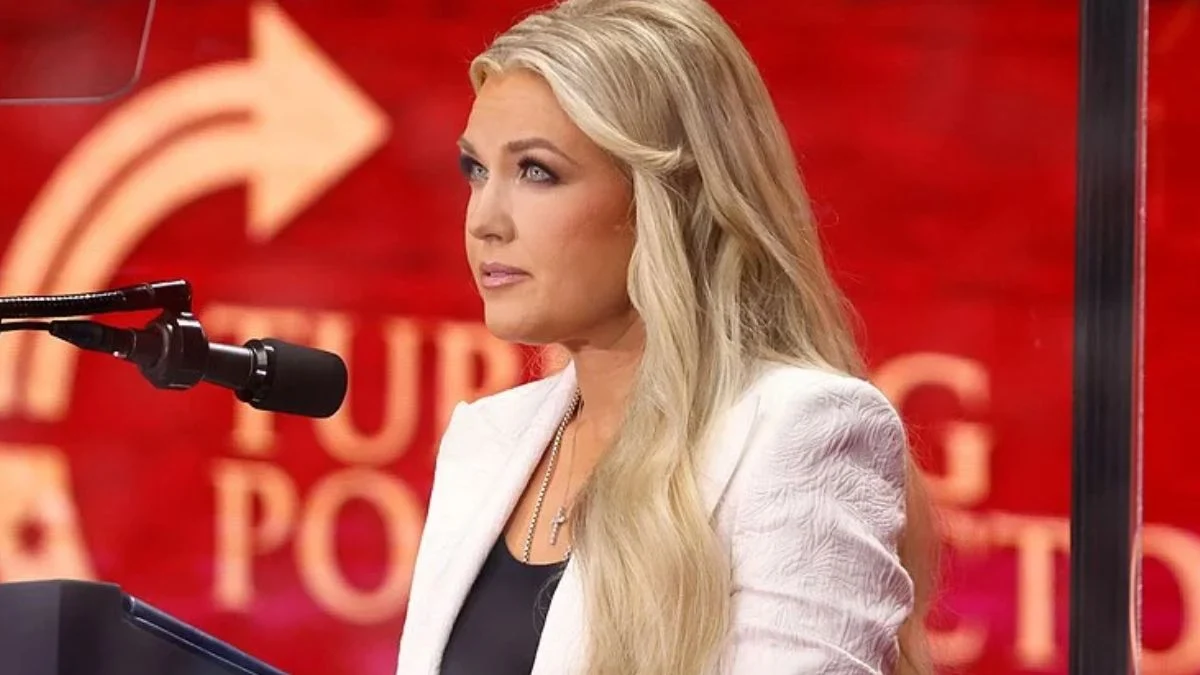
The question of when Tyler Robinson will face trial over the death of conservative activist Charlie Kirk has become a major point of disagreement between the defence, prosecutors and Kirk’s family. What should happen next is far from settled, with competing proposals exposing a sharp divide over how much preparation time the capital murder case requires.
At the centre of the dispute is a difficult balancing act: ensuring a thorough legal process while avoiding years of uncertainty for the family. As the court considers the competing schedules, the proposed dates reveal just how differently the two sides view the scale of the case.
Tyler Robinson Trial Timeline: The Competing Dates Explained
The defence has asked a Utah judge to schedule Robinson’s trial for the third quarter of 2029, arguing that the complexity of the case and the preparation required for a potential death-penalty proceeding demand considerably more time.
Erika Kirk, the widow of Charlie Kirk, has urged the court to reject that timetable and move towards an earlier trial in 2027. Utah County prosecutors have offered an alternative, saying they could be ready by October 4, 2027, but recommending January 31, 2028, as the trial’s start date.
The following table summarises the three positions.
| Party | Proposed trial schedule | Estimated duration |
| Tyler Robinson’s defence | Third quarter of 2029 | Six to seven months |
| Utah County prosecutors | January 31, 2028, with readiness as early as October 4, 2027 | Approximately 17 weeks |
| Erika Kirk’s legal team | As early as possible in 2027, preferably by October 4 | No separate duration specified |
These are proposals, not confirmed court orders. Based on the latest reporting provided for this article, a final court-ordered trial date has not been independently established.
Robinson, 23, has pleaded not guilty to seven charges connected to Kirk’s death at Utah Valley University in Orem, Utah, on September 10, 2025. Prosecutors intend to seek the death penalty if he is convicted of aggravated murder.
When a Major Trial Ends Without a Verdict
The conclusion of a high-profile criminal trial does not always bring immediate closure, as proceedings can end without a jury reaching a verdict. For another case involving a prominent family and a major court development, read our report on Patrick Clancy running the Chicago Marathon after the Lindsay Clancy trial ended in a mistrial.
Why Tyler Robinson’s Defence Wants a Trial in 2029
The defence argues that the proposed timetable reflects the demands of a capital case rather than a straightforward attempt to delay proceedings.
According to the lawyers’ filing, preparing for trial will involve reviewing a substantial volume of evidence, investigating Robinson’s background for potential mitigating circumstances, preparing expert witnesses and addressing complicated questions surrounding jury selection and a possible sentencing phase.
The team has also indicated that it expects to conduct a venue study. Depending on the findings, the defence could seek a change of venue.
Further work involving DNA evidence and ballistics testing is another reason the lawyers say they need additional time. They have cautioned that the volume of material and the possibility of further litigation make it difficult to predict precisely when the case will be ready.
The defence has described an early prediction as potentially creating “false precision”, arguing that additional evidence, legal disputes and preparation requirements could significantly affect the schedule.
The lawyers estimate that the proceedings could last six to seven months, including jury selection and the capital sentencing phase if the case reaches that stage.
The evidence review could be extensive
The defence has said it needs to examine tens of thousands of files supplied by prosecutors. A CNN report cited in the material provided for this article put the number at approximately 31,000 files.
The lawyers have also identified possible disputes involving DNA evidence, ballistics testing, jury selection and the location of the trial.
In a capital case, preparation must address both the question of guilt and the possibility of a separate sentencing phase. If Robinson is convicted and the case proceeds to that stage, attorneys may present evidence about mitigating circumstances that could affect the sentence.
The defence says investigating Robinson’s background and preparing for these possibilities require substantial time. Prosecutors, however, believe the case can be prepared considerably sooner.
Prosecutors Propose January 31, 2028, Trial Start
Utah County prosecutors have proposed a significantly earlier schedule than the defence.
In their court filing, prosecutors said they believe they could be ready to begin trial on October 4, 2027. However, they recommended January 31, 2028, as a more practical starting point for the lengthy proceedings.
The state estimates that the trial would last approximately 17 weeks, or around four months. This is notably shorter than the six-to-seven-month period anticipated by the defence.
Prosecutors explained their preference for the later date by pointing to the practical difficulties of holding a lengthy capital trial during winter and the major holiday period.
Their filing said they did not believe it would be wise to schedule proceedings through:
“the worst of the winter season and the Thanksgiving and Christmas holidays.”
The difference between the two sides is substantial. The prosecution says it could be ready in October 2027, while the defence wants jury selection to begin in the third quarter of 2029.
Neither proposed duration is guaranteed. The eventual length will depend on the evidence presented, the witnesses called, legal disputes and whether the case reaches a capital sentencing phase.
Erika Kirk Challenges the Proposed 2029 Trial Date
Erika Kirk has pushed back against the prospect of waiting until 2029.
Her attorney, Jeffrey Neiman, filed a motion asking the court to “enforce the right to a speedy disposition” and schedule the case for the earliest practical date in 2027.
The motion specifically points to October 4, 2027, the earliest date prosecutors say they could be ready.
Kirk’s legal team argues that delaying the proceedings would prolong uncertainty for the family and create additional emotional and financial burdens.
In the filing, Neiman wrote:
“Under the Defendants’ proposed schedule, Mr. Kirk’s two children, who were one and three at the time he was murdered, will be six and eight years old by the time the trial concludes.”
Kirk’s lawyers have also described the defence proposal as “grossly out of line with comparable cases”, arguing that the family is entitled to a speedy resolution under Utah law.
However, the family’s position does not determine when the trial will begin. The scheduling decision ultimately belongs to the court, which must consider the competing proposals and the requirements of the legal process.
What Has the Judge Decided About the Trial Date?
One of the most important distinctions in the dispute is the difference between a proposed date and a court-ordered date.
The third-quarter 2029 timetable comes from Robinson’s defence team. January 31, 2028, is the prosecution’s recommended date, while October 4, 2027, is the earliest date prosecutors say they could be ready.
Erika Kirk’s legal team wants the trial to begin as early as possible in 2027, preferably by October 4.
Judge Tony Graf had scheduled an October 23 proceeding to consider the parties’ proposed preparation periods, estimated trial lengths and possible trial dates. A previous order made clear that the proposed schedules were not automatically binding and that the court could modify them as the case developed.
As of the latest reporting available for this article, a final court-ordered trial date has not been independently established in the sources reviewed.
That means neither the defence’s 2029 proposal nor the prosecution’s preferred January 2028 date should be presented as the confirmed trial schedule.
Tyler Robinson Case: Charges and September 2026 Ruling
The scheduling dispute follows a significant development in September 2026, when Judge Graf found probable cause for Robinson to stand trial on all seven charges.
The judge also found the circumstances sufficient for prosecutors to pursue the capital aggravated-murder charge, keeping the possibility of a death sentence on the table if Robinson is convicted and the applicable legal requirements are met.
Robinson subsequently pleaded not guilty to all seven charges.
The charges include:
- Aggravated murder.
- Felony discharge of a firearm causing serious bodily injury.
- Two counts of obstruction of justice.
- Two counts of witness tampering.
- Committing a violent offence in the presence of a child.
The probable-cause ruling was not a finding of guilt. It addressed whether sufficient evidence existed at that stage for the prosecution to proceed.
The ultimate question of whether Robinson committed the alleged offences remains for trial, where prosecutors must satisfy the applicable burden of proof.
Prosecutors Allege a Political Motive in Charlie Kirk’s Death
Prosecutors have alleged that Robinson targeted Kirk because of his political views.
The state has pointed to evidence it says supports that theory, including an inscription associated with ammunition and a message attributed to Robinson. Prosecutors have characterised the alleged targeting as politically motivated.
Those assertions remain prosecution allegations that will be contested through the legal process.
Defence attorney Richard Novak has disputed the prosecution’s characterisation of Robinson’s political views. He has argued that the evidence does not establish that Robinson opposed Kirk’s positions in the manner alleged by prosecutors.
The disagreement over motive is therefore another issue that remains to be tested at trial.
The prosecution and defence are also expected to continue litigating which evidence can ultimately be presented to a jury. Preliminary proceedings have involved material that prosecutors say links Robinson to the killing, including DNA evidence and other investigative material.
The defence has challenged aspects of the prosecution’s evidence and indicated that further testing and expert analysis may be necessary.
These disputes form part of the defence’s argument that setting an early trial date could be premature.
Reported Defence Costs Add Another Dimension to the Dispute
The proposed timetable has also raised questions about the financial consequences of a lengthy capital case.
The Salt Lake Tribune reported that Robinson’s court-appointed defence attorneys had received approximately $1.6 million in taxpayer-funded payments during the first year of representation.
Erika Kirk’s attorneys cited that figure when arguing that extending the case until 2029 would increase the financial burden on Utah.
The reported amount concerns defence payments already made and does not represent the final cost of the entire prosecution.
A capital case that continues for several years can involve substantial expenses related to legal representation, investigators, expert witnesses, discovery and court proceedings. The eventual cost of this case remains unknown.
President Donald Trump has also publicly criticised the pace of the proceedings. According to the reporting supplied for this article, Trump called for a much faster trial and criticised Judge Graf before the October 23 proceeding.
His comments do not constitute a court ruling or a legal determination about the appropriate timetable. The scheduling decision must be based on the court record, applicable law and the competing requirements of the prosecution, defence and victim’s family.
Conclusion: When Will Tyler Robinson’s Trial Begin?
The Tyler Robinson trial timeline remains a matter for the court, with three competing approaches shaping the dispute.
The defence wants jury selection to begin in the third quarter of 2029, citing the extensive evidence review and preparation required for a potential death-penalty proceeding. Prosecutors say they could be ready by October 4, 2027, but recommend January 31, 2028, for a trial expected to last around 17 weeks. Erika Kirk’s legal team is seeking an earlier resolution in 2027.
For now, the key point is that none of these proposals should be treated as the final trial date unless the court formally sets one. Robinson has pleaded not guilty, and the earlier probable-cause ruling allows the case to proceed without establishing guilt. The next major development will be the court’s decision on the timetable.
Another Case Raises the Question of a Speedy Trial
Requests for an earlier trial can become a major issue when defendants and the courts weigh scheduling against the time needed to prepare a case. In a separate legal dispute, Agostino Abbatiello is seeking a December 2026 speedy trial in the Penn State cocaine case, offering another example of how trial timing can shape legal proceedings.
Source and Research Disclaimer
This article has been prepared based on thorough research of the sources provided below, including reporting attributed to the Associated Press, Reuters, ABC News, The Salt Lake Tribune and KSL. It reflects the information available in those materials as of October 24, 2026, and does not imply independent verification beyond the supplied sources. Allegations, legal arguments, proposed schedules and reported figures are attributed accordingly and should not be interpreted as findings of guilt.
Sources
- Associated Press: Defense attorneys say they may need until 2029
- Reuters: Tyler Robinson requests a 2029 trial
- ABC News: Charlie Kirk’s family seeks an earlier trial
- The Salt Lake Tribune: Defence and prosecution trial-timing proposals
- KSL: Judge’s October scheduling order and preparation requirements
- ABC News: Judge’s September probable-cause ruling
Featured Image Credit: Gage Skidmore / CC BY-SA 4.0 via Wikimedia Commons


Leave a Reply