

A Hollywood Firestorm: Why the Pulp Fiction N-Word Debate Is Trending Again in 2026
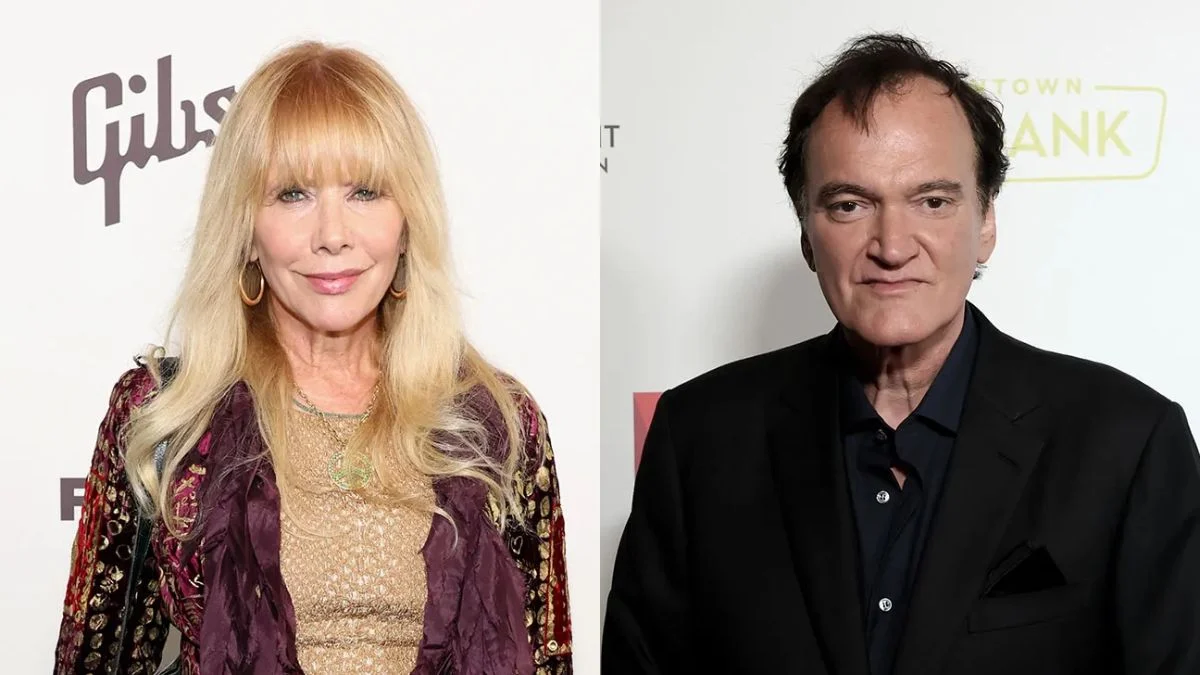
More than three decades after the release of the cult classic Pulp Fiction, a fresh controversy has erupted in Hollywood—this time involving its creator Quentin Tarantino and actress Rosanna Arquette.
The dispute exploded in early March 2026 after Arquette publicly criticized the film’s repeated use of the N-word, describing it as “racist and creepy.” Her comments immediately reignited one of the longest-running debates in cinema: where artistic freedom ends and social responsibility begins.
Tarantino, known for his unapologetically raw dialogue and stylized storytelling, responded with a blunt open letter accusing Arquette of opportunism and a “lack of class.” The public exchange quickly spread across major entertainment outlets and social media platforms, sparking fierce reactions among fans, filmmakers, and critics.
What began as a single interview has now evolved into a broader conversation about race, accountability, and Hollywood’s changing cultural standards.
The Interview That Sparked the Tarantino–Arquette Controversy
The controversy began with an interview published by The Sunday Times on March 9, 2026. During the conversation, Rosanna Arquette reflected on her experience working on Pulp Fiction and her complicated feelings about the film today.
Although she praised the movie’s artistic achievements, she openly criticized its repeated use of the N-word in dialogue.

Key Quotes from Rosanna Arquette
- On the slur’s usage:
“Personally I am over the use of the N-word – I hate it. I cannot stand that [Tarantino] has been given a hall pass. It’s not art, it’s just racist and creepy.” - On the film itself:
“It’s iconic, a great film on a lot of levels.”
Arquette emphasized that her comments were not meant to dismiss the film entirely. Instead, she framed them as part of a larger conversation about how Hollywood’s understanding of race and representation has evolved since 1994.
At the time of the film’s release, such dialogue received far less scrutiny. Today, however, audiences and critics often revisit older works through a more critical cultural lens.
Tarantino’s Sharp Open Letter: “A Lack of Class”
The response from Quentin Tarantino came quickly—and it was direct.
On March 10, 2026, the filmmaker released an open letter addressed to Arquette. The letter was first published by Deadline before spreading to outlets including Variety and The Guardian.
Rather than addressing the racial concerns raised in the interview, Tarantino focused on what he described as professional betrayal.
Excerpt From Tarantino’s Letter
“Dear Rosanna,
I hope the publicity you’re getting from 132 different media outlets writing your name and printing your picture was worth disrespecting me and a film I remember quite clearly you were thrilled to be a part of.
Do you feel this way now?
Very possibly.
But after I gave you a job, and you took the money, to trash it for what I suspect is very cynical reasons, shows a decided lack of class, no less honor.
There is supposed to be an esprit de corps between artistic colleagues.
But it would appear the objective was accomplished.
Congratulations.
Q.”
The letter immediately amplified the controversy, shifting the debate from artistic criticism to personal conflict.
Timeline of the Tarantino–Arquette Controversy
| Date | Event | Key Figures | Details |
| 1994 | Release of Pulp Fiction | Quentin Tarantino, Rosanna Arquette | Film wins Palme d’Or and becomes a cultural phenomenon |
| Mar 9, 2026 | Interview published | Rosanna Arquette | Calls the N-word usage “racist and creepy” |
| Mar 10, 2026 | Open letter response | Quentin Tarantino | Accuses Arquette of opportunism and “lack of class” |
| Mar 10, 2026 | Social media debate erupts | Fans, critics, actors | Hashtags like #TarantinoArquette trend online |
Inside Their Pulp Fiction Collaboration
The connection between Arquette and Tarantino dates back to their work on Pulp Fiction.
The film featured an ensemble cast including:
- John Travolta
- Uma Thurman
- Eric Stoltz
- Samuel L. Jackson
Arquette appeared in a supporting role as Jody, a quirky character who appears in scenes connected to Vincent Vega’s storyline.
While the role was brief, it contributed to the film’s chaotic and distinctive ensemble style.
At the time, Pulp Fiction became a cultural phenomenon, grossing over $213 million worldwide and winning the Palme d’Or at the Cannes Film Festival. The film also received seven Academy Award nominations, ultimately winning Best Original Screenplay.
Despite the acclaim, its language—including the frequent use of racial slurs—has remained controversial.
The Language Debate: Why Tarantino’s Films Often Use the N-Word
Tarantino has long defended his use of provocative language as part of authentic storytelling.
His scripts often draw inspiration from real-life conversations and the unfiltered speech of criminals and outcasts. According to the director, sanitizing such dialogue would undermine realism.
In a 2015 NPR interview, Tarantino explained:
“The N-word is part of the American language… I’m trying to portray the reality of the way people talk.”
Supporters argue that his films depict characters realistically rather than endorsing their views.
However, critics say the repetition of such language—particularly by a white filmmaker—raises ethical questions.

Not the First Time: Tarantino’s Long History of N-Word Controversy
The current dispute echoes earlier criticism of Tarantino’s films.
The slur appears in several of his projects, including:
- Jackie Brown
- Inglourious Basterds
- Django Unchained
In Django Unchained, the word appears nearly 110 times, largely within a slavery-era narrative.
Many actors involved in Tarantino’s films have defended the context.
At the 2013 Berlin Film Festival, Samuel L. Jackson stated:
“It’s not offensive in the context of this film.”
Similarly, Jamie Foxx, who starred in Django Unchained, argued the language was necessary for historical authenticity.
Spike Lee and Other Critics Push Back
One of Tarantino’s most prominent critics has been filmmaker Spike Lee.
In a 1997 interview with Variety, Lee accused Tarantino of being:
“Infatuated with that word.”
He later protested the film Django Unchained, walking out of a screening and refusing to watch it in full.
Scholars have also weighed in. Harvard historian Khalil Gibran Muhammad described Tarantino’s approach as a “white liberal fantasy” that risks commodifying Black suffering for entertainment.
These debates have resurfaced repeatedly over the years—and the Arquette controversy has reignited them once again.
Social Media Reactions: A Divided Audience
As of March 10, 2026, reactions across social media—particularly on X—have been sharply divided.
Supporters of Tarantino argue:
- The criticism represents “cancel culture.”
- Artistic expression should not be retroactively censored.
- The dialogue reflects fictional characters, not the filmmaker’s beliefs.
Critics of Tarantino argue:
- The repeated slur lacks narrative necessity.
- A white filmmaker using it extensively is problematic.
- Arquette’s comments highlight evolving cultural awareness.
Trending hashtags include #TarantinoArquette and #PulpFiction.
Entertainment outlets such as Entertainment Weekly and NME have also amplified the story, focusing on Tarantino’s accusation that Arquette showed a “lack of class.”
The Bigger Hollywood Question: Can Classic Films Be Re-Examined?
Beyond the personal dispute, the controversy raises a larger cultural question.
Should classic films be re-evaluated through modern social standards?
Some critics suggest that older films could include contextual disclaimers or trigger warnings when re-released on streaming platforms like Netflix.
Others argue that altering or censoring historical works risks rewriting artistic history.
This tension between preservation and accountability continues to shape conversations throughout the film industry.

What Happens Next?
As of the evening of March 10, 2026 (IST), Rosanna Arquette has not responded publicly to Tarantino’s open letter.
However, the controversy shows no signs of fading.
More than 32 years after Pulp Fiction premiered, the debate surrounding its language—and Tarantino’s filmmaking style—remains as intense as ever.
Whether audiences see the film as a groundbreaking masterpiece or a problematic cultural artifact, one thing is certain: the conversation about race, art, and responsibility in cinema is far from over.
And in Hollywood, where legacy and controversy often collide, the Tarantino–Arquette clash may become one of the most talked-about cultural debates of 2026.


Leave a Reply