

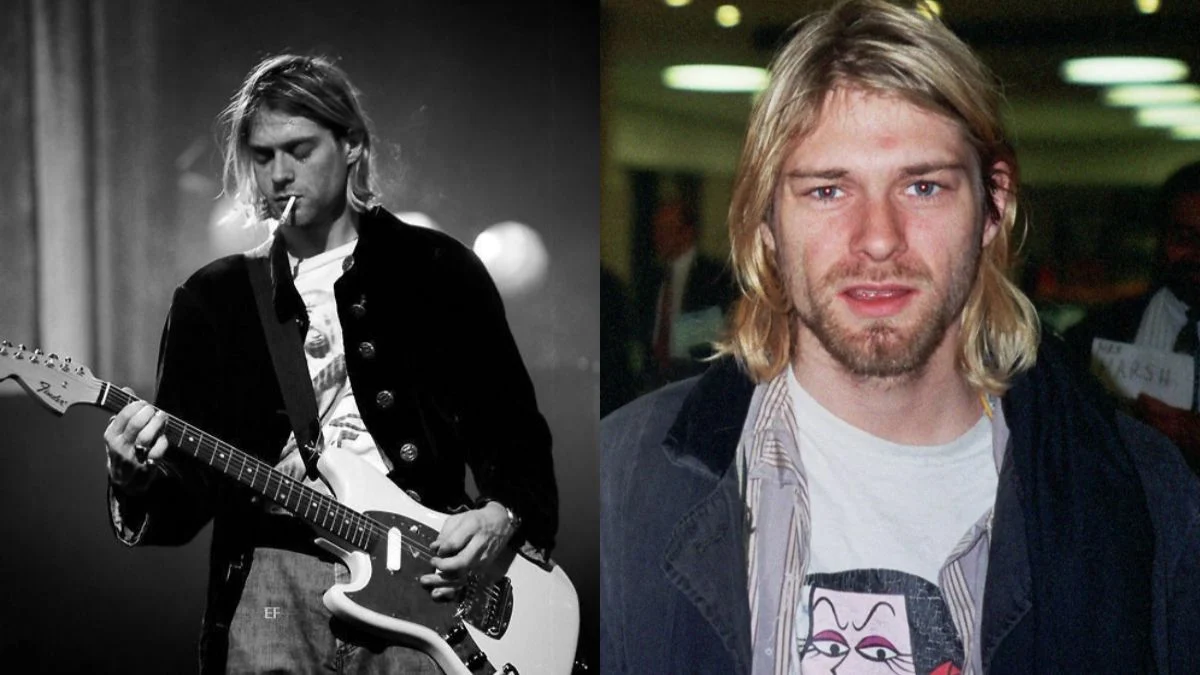
Introduction: A Case That Never Truly Closed
More than three decades after Nirvana frontman Kurt Cobain was found dead in his Seattle home, his death remains one of the most debated tragedies in modern music history. Officially ruled a suicide in 1994, the case has long been surrounded by speculation, conspiracy theories, and unanswered questions.
Now, in early 2026, a newly released private forensic analysis is reigniting the controversy—this time with claims grounded in peer-reviewed research rather than internet rumor. The report challenges the long-standing suicide ruling and suggests Cobain’s death may have been a homicide staged to look like self-inflicted harm.
The findings have gone viral across social media and global news outlets, prompting renewed public calls to reopen the case. Authorities, however, remain unconvinced.
Background: The Official Ruling and Evidence from 1994
Kurt Cobain was found dead on April 8, 1994, in his Seattle residence from a shotgun wound to the head. The Seattle Police Department (SPD) and the King County Medical Examiner ruled the death a suicide on the same day.
The official conclusion was based on three primary factors:
- A shotgun wound consistent with a self-inflicted injury
- A toxicology report showing high levels of heroin and Valium
- A handwritten suicide note discovered at the scene
For decades, these findings have been cited as conclusive, even as fans and independent investigators questioned inconsistencies in the evidence.

The 2026 Forensic Analysis: Who Conducted It and Why It Matters
In early 2026, forensic pathologist Brian Burnett, a veteran expert in overdose-gunshot cases, partnered with researcher Michelle Wilkins to re-examine Cobain’s death.
Their work analyzed:
- Autopsy records
- Crime scene photographs
- Toxicology data
- Evidence released incrementally by Seattle Police since 2014
The findings were detailed in a peer-reviewed paper and reported by outlets such as the Daily Mail. Burnett and Wilkins argue that Cobain’s death scene was “staged like a movie” and inconsistent with suicide.
Key Claim #1: Heroin Levels Allegedly Incompatible with Self-Inflicted Gunshot
One of the most explosive claims involves Cobain’s toxicology report.
Cobain’s blood morphine level (a heroin metabolite) measured 1.52 mg/L, which Burnett and Wilkins describe as roughly three times a lethal dose—even for someone with heroin tolerance.
They argue that such a concentration would likely cause:
- Immediate coma or paralysis
- Loss of motor function
- Inability to handle, aim, and fire a shotgun
Additionally, Cobain’s Valium level was reported at 7 mg/L, which would further suppress respiration and consciousness.
Their conclusion: Cobain would have been physically incapable of shooting himself at those drug levels.

Key Claim #2: Organ Damage Suggesting a Prolonged Overdose
The autopsy revealed necrosis (tissue death) in Cobain’s brain and liver.
Burnett and Wilkins interpret this as evidence of prolonged oxygen deprivation, suggesting Cobain had been overdosing for hours before the gunshot.
Burnett described the shotgun wound as a “coup de grâce”, implying the gunshot may not have been the primary cause of death but a finishing blow.
Key Claim #3: Blood Pattern and Airway Anomalies
Another controversial element involves blood evidence—or the lack of it.
No Blood in Airways
The forensic analysis claims no blood was found in Cobain’s lungs or airways, which is considered unusual for a self-inflicted intraoral shotgun wound. Such wounds typically cause blood aspiration.
Burnett and Wilkins suggest Cobain may have been barely breathing at the time of the shot, consistent with severe overdose.
Clean Hands and Gun
Independent ballistics tests using gel skull simulations indicated that blood spatter should have been extensive in a suicide scenario. However:
- Cobain’s right hand (which would have fired the weapon) reportedly had no blood spatter
- The shotgun itself showed no blood spatter
- No fingerprints were found on the gun
The report suggests the weapon may have been wiped clean.

Key Claim #4: Alleged Crime Scene Staging
The analysis highlights several anomalies in the crime scene setup.
Shell Ejection Direction
The shotgun shell reportedly ejected to the left—opposite the expected direction based on Cobain’s position.
Gun Placement
Cobain was found with the gun barrel in his left hand, despite being right-handed.
Heroin Kit Arrangement
The heroin paraphernalia was described as “neatly packaged,” with capped syringes—something experts argue is unlikely during an overdose emergency.
Body Position
Cobain was found seated with legs crossed. Burnett and Wilkins argue that the recoil from a shotgun blast would likely disrupt such a posture.
Key Claim #5: Suicide Note Handwriting Discrepancies
The suicide note has long been a cornerstone of the official ruling. However, the new analysis claims handwriting inconsistencies.
According to Burnett and Wilkins:
- The main body of the note matches Cobain’s handwriting
- The final lines referencing suicide appear to be written by a different hand
They also interpret the content of the note as resembling a retirement letter from music rather than a farewell message.
Summary Table: Official Explanation vs New Forensic Challenges
| Inconsistency | Official Suicide Explanation | New Forensic Challenge | Implication |
| Heroin Levels | Self-injected before shooting | Triple lethal dose, impossible to function | Forced overdose suspected |
| Organ Necrosis | Drug-related but secondary | Indicates hours of overdose | Gunshot may be staged |
| Blood Spatter | Minimal due to wound type | No blood on hands/gun; no fingerprints | Scene possibly cleaned |
| Shell Ejection | Consistent with position | Ejected wrong direction | Gun placed after death |
| Note Handwriting | All Cobain’s writing | Suicide lines appear forged | Note possibly altered |
Historical Context: Earlier Independent Reviews
The 2026 analysis builds on earlier independent investigations. A 2019 multidisciplinary study published in the International Journal of Forensic Science & Criminology also questioned the suicide ruling using similar forensic concerns.
Despite these studies, authorities have never reopened the case.

Counterpoints and Criticism of the New Analysis
While the report has gained massive attention, it has also drawn criticism.
Bias Allegations
Michelle Wilkins reportedly operates a YouTube channel critical of Cobain’s widow, Courtney Love, raising questions about potential bias.
Conspiracy theories often implicate Love due to divorce rumors and her inheritance of Nirvana’s rights (valued at over $250 million). Burnett and Wilkins, however, avoid naming suspects and focus strictly on forensic evidence.
Official Narrative Still Supported by History
Critics note that Cobain had documented depression, prior suicide attempts, and a suicide note—factors consistent with the official ruling.
The original investigation, though conducted quickly, was considered consistent with available evidence at the time.
Official Response from Authorities in 2026
Seattle Police reviewed the new claims and reaffirmed their position on February 10, 2026, stating:
“We still believe Cobain’s death was a suicide.”
SPD confirmed they will not reopen the investigation, echoing their stance since 1994.
Social Media and News Trends: Viral Reaction in 2026
The report exploded across X (formerly Twitter) starting February 10, 2026, with tens of thousands of engagements.
High-Engagement Viral Posts
- Influencer Dom Lucre (@dom_lucre) posted a video claiming Cobain was murdered, receiving over 30,000 likes and 5,000 reposts.
- RT (@RT_com) shared crime scene images and highlighted forensic inconsistencies.
- NEXTA (@nexta_tv) summarized the overdose and blood evidence claims.
- Mathrubhumi English (@mathrubhumieng) linked to their coverage of the forensic report.
User Discussions and Hashtags
Hashtags such as #KurtCobain, #JusticeForKurt, and #CobainForensics trended as users demanded a case review.
Journalists and commentators, including James Li and Stacy Liberatore, shared threads highlighting alleged autopsy oversights and trajectory anomalies.
Why This 2026 Report Feels Different
Unlike earlier conspiracy theories, this analysis claims to be grounded in forensic science and peer-reviewed research.
It does not name suspects or assert definitive conclusions but highlights gaps and inconsistencies in the original investigation.
The findings have renewed public debate and revived questions that have lingered for decades.
Final Thoughts: Suicide, Murder, or Unresolved Tragedy?
More than 30 years after Kurt Cobain’s death, the debate remains unresolved. The 2026 forensic analysis represents the most structured challenge yet to the official suicide ruling, but it stops short of proving homicide.
Authorities maintain their conclusion, while fans and independent investigators continue to search for answers.
Whether the case will ever be reopened remains uncertain. What is clear is that Cobain’s legacy—and the mystery surrounding his death—continues to captivate the world.


Leave a Reply