

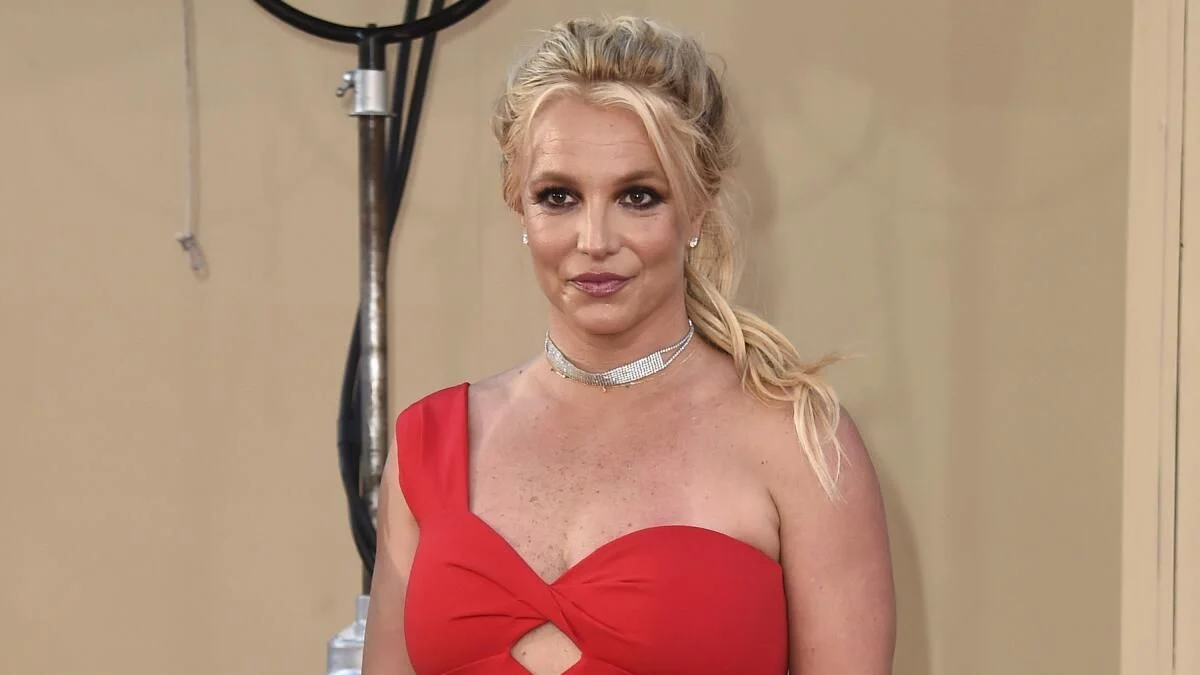
Introduction: A Defining Moment in Britney Spears’ Career and the Music Industry
Few pop stars have shaped modern music like Britney Spears. From redefining teen pop in the late 1990s to influencing the sound and visuals of 2000s pop culture, Spears’ catalogue represents one of the most commercially successful and culturally influential bodies of work in music history.
Now, in a major business move that has sent shockwaves through the entertainment world, Britney Spears has sold the rights to her entire music catalogue in a deal reportedly valued at around $200 million.
The transaction, finalized on December 30, 2025, and publicly revealed on February 10, 2026, marks a turning point in Spears’ financial and artistic legacy. As the news continues trending across social media and media outlets, fans and industry experts alike are debating what this sale means for Spears, her music, and the future of catalogue acquisitions.
This article breaks down every verified detail of the deal, its broader industry context, public reactions, and the long-term implications for Britney Spears and the music business.
Britney Spears Music Catalogue Sale: Key Deal Overview

Britney Spears sold her ownership stake in her music catalogue to Primary Wave Music Publishing, a New York–based independent music publisher known for acquiring legendary catalogues and revitalizing them through licensing and marketing strategies.
Although the legal documents do not disclose the exact sale price, industry sources estimate the deal at approximately $200 million, placing it in the same financial tier as Justin Bieber’s high-profile catalogue sale in 2023.

Official Deal Details Table
| Category | Details |
| Buyer | Primary Wave Music Publishing |
| Seller | Britney Spears |
| What Was Sold | Ownership share in her music catalogue, including artist royalties and likely publishing rights |
| What Was Not Sold | Master recordings (remain controlled by Sony Music) |
| Estimated Price | Around $200 million (undisclosed officially) |
| Deal Signing Date | December 30, 2025 |
| News Publicly Reported | February 10, 2026 |
| Artist Age at Sale | 44 |
| Albums Covered | Nine studio albums from 1999 to 2016 |
What Exactly Did Britney Spears Sell? Understanding Music Catalogue Rights
In this deal, Britney Spears sold her ownership stake in her catalogue—meaning Primary Wave will now receive most of the revenue generated from her music through streaming, sales, licensing, and synchronization deals in films, television, advertising, and social media.
However, the master recordings remain controlled by Sony Music, meaning Sony still owns the original recordings of her songs.
Importantly, Spears can still perform her songs live, though royalties tied to the catalogue will primarily benefit Primary Wave going forward.
This structure mirrors many modern catalogue deals where artists sell publishing and royalty rights while labels retain masters.

Inside Britney Spears’ Iconic Music Catalogue
Britney Spears’ catalogue includes nine studio albums released between 1999 and 2016, featuring some of the most defining hits of the late 20th and early 21st centuries.
Major Albums and Notable Hits
| Album | Release Year | Notable Hits | Chart and Cultural Impact |
| …Baby One More Time | 1999 | “…Baby One More Time”, “Sometimes” | Over 25 million copies sold worldwide; debuted at No. 1 |
| Oops!… I Did It Again | 2000 | “Oops!… I Did It Again”, “Lucky” | Over 20 million copies; fastest-selling female album at the time |
| Britney | 2001 | “I’m a Slave 4 U” | No. 1 debut; marked a mature artistic transition |
| In the Zone | 2003 | “Toxic”, “Everytime” | Grammy win for “Toxic”; over 10 million copies |
| Blackout | 2007 | “Gimme More” | Critically acclaimed; influenced modern pop production |
| Circus | 2008 | “Womanizer”, “Circus” | No. 1 debut; over 4 million copies |
| Femme Fatale | 2011 | “Till the World Ends” | Strong chart performance with EDM influences |
| Britney Jean | 2013 | “Work Bitch” | Personal album; mixed reviews but solid sales |
| Glory | 2016 | “Make Me…” | Praised for vocal prowess; her last studio release |
Collectively, these albums have generated billions in streams and sales, making Spears’ catalogue a highly valuable long-term asset.
Why Did Britney Spears Sell Her Catalogue? Industry Context and Speculation
Catalogue sales have become one of the biggest financial trends in the music business over the last decade. With the rise of streaming platforms stabilizing royalty income and low interest rates before 2022, music catalogues have become attractive assets for investors.
High-profile artists who have sold their catalogues include:
- Bob Dylan (sold to Universal for $300+ million in 2020)
- Bruce Springsteen ($550 million to Sony in 2021)
- Katy Perry ($225 million to Litmus Music in 2023)
- Justin Bieber (similar estimated $200 million deal in 2023)
For Britney Spears, the sale may offer financial security and flexibility. She has not released new music in nearly a decade and has not toured in eight years, which could have influenced her decision to monetize her legacy catalogue now rather than later.
The sale also follows her highly publicized conservatorship battle, which ended in 2021 and restored full control over her assets. While speculation on social media suggests potential cash needs, no official statement from Spears has confirmed her motivations.
Primary Wave’s Strategy: Reviving Legacy Music in the Digital Age
Primary Wave specializes in acquiring stakes in legendary catalogues and increasing their commercial value through marketing, branding, and licensing.
The company has previously acquired stakes in the music of major cultural icons such as:
- Kurt Cobain
- Bob Marley
- Stevie Nicks
- Whitney Houston
Primary Wave is known for placing songs in films, television, advertisements, and viral social media content, which can significantly boost catalogue revenue and introduce classic music to new generations.
For Spears’ music, this could mean increased visibility and renewed relevance across digital platforms.
Public and Media Reactions: Fans Celebrate, Analysts Debate
The news began trending across media outlets and social platforms on February 10, 2026, generating widespread discussion.
Media Coverage
Major outlets like BBC News and Rolling Stone highlighted the $200 million estimate and compared the deal to Justin Bieber’s sale, framing it as another major milestone in catalogue acquisitions.
Fan and Analyst Commentary
- Social media users shared articles and praised the financial success of the deal.
- Radio hosts and commentators used the sale as a discussion point about what personal assets people would sell for large sums.
- Some analysts compared the strategy to other artists retaining licensing control, although details of Spears’ licensing rights remain undisclosed

Skeptcism and Online Debate
On Reddit and music forums, some users speculated whether the sale indicates financial strain, while others argued it is simply a strategic business move.
Overall, reactions are mixed:
- Supporters view it as a smart financial decision.
- Critics see it as the symbolic end of Spears’ direct ownership over her legacy.
What This Means for Britney Spears’ Legacy and Future
By selling her catalogue, Britney Spears has effectively secured a massive upfront payout while transferring long-term revenue potential to Primary Wave.
While she still has the right to perform her songs live, the majority of royalty earnings from her recorded catalogue will now flow to the new owner.
However, the deal could also lead to a resurgence of her music in popular culture through increased licensing, which may introduce her songs to younger audiences and keep her legacy alive in digital media.
For Spears, this move closes a chapter of ownership while potentially opening a new era of curated legacy marketing.
The Bigger Picture: The Billion-Dollar Catalogue Gold Rush
Britney Spears’ catalogue sale is part of a broader trend reshaping the music industry. Music catalogues have become highly sought-after assets for investors, publishing companies, and private equity firms seeking stable, long-term returns.
With streaming revenue continuing to grow and classic hits remaining evergreen content, legacy music has transformed into a financial asset class.
Spears’ deal underscores how even artists who have stepped away from releasing new music can monetize decades of cultural influence in a single transaction.

Conclusion: A Historic Deal for a Pop Icon
Britney Spears’ $200 million catalogue sale represents more than just a financial transaction—it marks a symbolic shift in how artists manage their legacies in the digital age.
As Primary Wave takes control of monetization, Spears’ music may reach new audiences through films, advertisements, and viral content, ensuring her songs continue to shape pop culture for years to come.
While fans may feel nostalgic about the end of her direct ownership, the deal secures Spears’ financial future and cements her catalogue as one of the most valuable in modern pop history.
As the story continues to trend in 2026, Britney Spears’ business move stands as another milestone in the evolving relationship between artists, intellectual property, and the modern music economy.


Leave a Reply