
Introduction: When Puerto Rico Became the Super Bowl’s “Home Team”
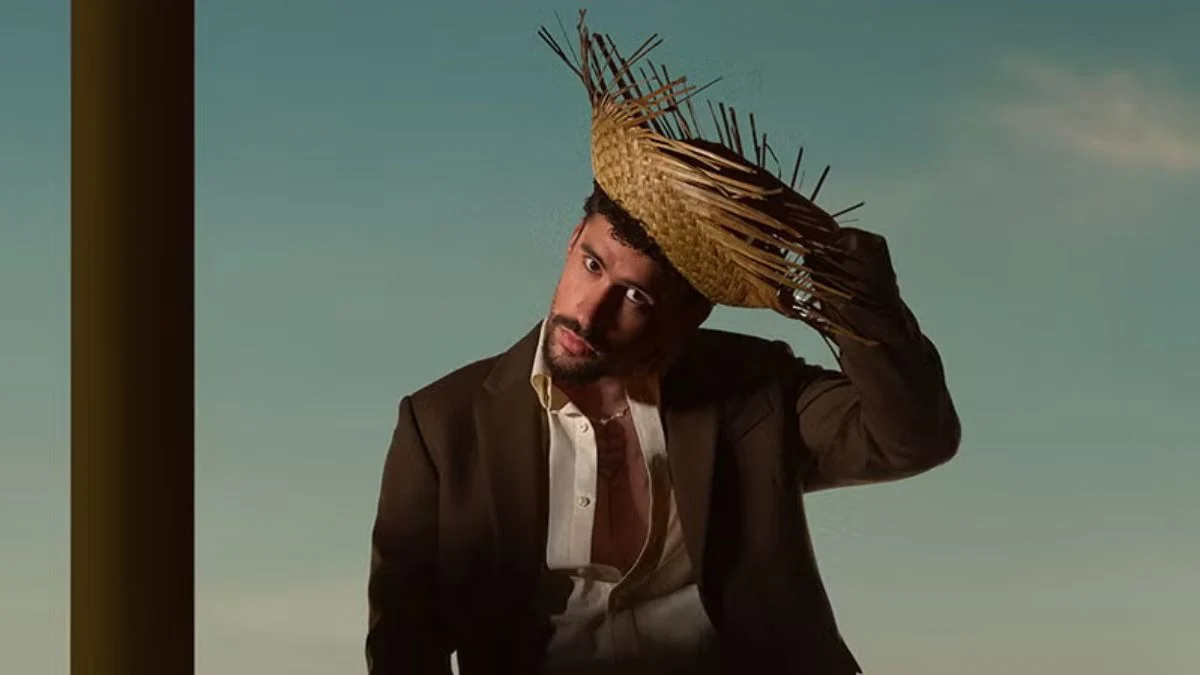
On February 8, 2026, the Super Bowl LX halftime show did more than entertain millions—it made history. Puerto Rican superstar Bad Bunny (Benito Antonio Martínez Ocasio) took the world’s biggest sports stage and transformed it into a vibrant tribute to Puerto Rico, identity, and unity.
In a performance filled with symbolism, culture, and controversy, Bad Bunny became the first male Latin artist to headline the Super Bowl halftime show and the first performer to sing primarily in Spanish. What unfolded at Levi’s Stadium in Santa Clara, California, was not just a concert—it was a statement that resonated far beyond football.
Super Bowl LX Halftime Show Official Details
| Category | Details |
| Event | Super Bowl LX Halftime Show |
| Date | February 8, 2026 |
| Venue | Levi’s Stadium, Santa Clara, California |
| Headliner | Bad Bunny (Benito Antonio Martínez Ocasio) |
| Duration | 13 minutes |
| Album Highlighted | Debí Tirar Más Fotos (2026 Grammy Album of the Year winner) |
| Estimated Viewers | Over 135 million |
| Special Guests | Lady Gaga, Ricky Martin, Los Pleneros de la Cresta |
| Theme | Puerto Rican culture, identity, unity across the Americas |

A Halftime Show That Felt Like a Cultural Revolution
From the opening moments, Bad Bunny’s performance felt deeply personal and unapologetically cultural. The football field transformed into a living Puerto Rican landscape, with sugar cane fields, elderly men playing dominoes, piragua vendors, taco stands, and traditional bomba y plena drummers.
The stage design captured everyday island life—scenes that Puerto Ricans recognize instantly but rarely see represented on a global platform. It was described as a joyous love letter to Puerto Rico, blending reggaeton hits with historical and emotional storytelling.
The show heavily featured tracks from his Grammy-winning album Debí Tirar Más Fotos, released just a week before the performance. The music brought together high-energy beats and cultural depth, turning the halftime show into both a celebration and a cultural documentary in motion.
Powerful Symbolism That Redefined Patriotism
Bad Bunny emerged wearing an off-white jersey labeled “OCASIO” with the number 64, a symbolic nod to identity and heritage. Throughout the performance, he addressed unity across the Americas, famously spiking a football that read “Together we are America” while naming countries across the continent.
This message expanded the idea of what “America” means—beyond the United States, to include Latin America and the Caribbean. Subtle references to Puerto Rico’s colonial history, Hurricane Maria, and resilience were woven into the visuals and choreography, creating layers of meaning without breaking the party atmosphere.
In the finale, massive Puerto Rican flags illuminated the stadium, accompanied by nearly 10,000 pyrotechnic effects, creating one of the most visually striking endings in Super Bowl halftime history.

Unforgettable Guest Appearances and Viral Moments
The show included major surprise collaborations that amplified its global appeal:
- Lady Gaga performed “Die with a Smile” in Puerto Rican flag blue, blending pop and Latin energy.
- Ricky Martin joined Bad Bunny for “Lo Que Le Pasó a Hawaii,” bridging generations of Latin music.
- Los Pleneros de la Cresta brought traditional plena rhythms to the massive stage.
Celebrities like Pedro Pascal, Cardi B, Alix Earle, Young Miko, and Jessica Alba were spotted dancing and participating in the spectacle.
One of the most emotional moments came when a real couple was married on stage, honoring fans who had invited Bad Bunny to their wedding—an intimate gesture that made the global show feel deeply personal.
Historic Representation: Spanish Language Takes the Super Bowl Stage
Bad Bunny’s decision to perform mostly in Spanish marked a historic milestone. The show was hailed as redefining American patriotism and Latino visibility, showing that cultural authenticity can thrive on the world’s largest stage.
Early reports suggested it was one of the most-watched halftime shows ever, with more than 135 million viewers, proving that global audiences are ready for diverse cultural narratives.
The Backlash and Political Controversy
Despite widespread praise, the halftime show sparked intense controversy and political debate.
Former President Donald Trump criticized the performance, calling it “one of the worst halftime shows ever,” an “affront to the Greatness of America,” and “a slap in the face.” Conservative voices echoed these sentiments, criticizing the Spanish-language focus, mature themes, and perceived political undertones.
Social media reactions were polarized:
- Supporters praised the show for inclusivity, representation, and same-sex dance pairings.
- Critics labeled it tone-deaf or disrespectful to traditional American values.
Yet, many Puerto Ricans and Latin communities described the show as empowering, historic, and deeply emotional, with phrases like “bury me with my flag” trending as expressions of cultural pride.
Puerto Rican Cultural Symbols Highlighted in the Performance
The halftime show introduced millions to powerful Puerto Rican cultural symbols, many of which have centuries of history.
The Puerto Rican Flag (La Monoestrellada)
The flag’s red stripes represent the blood of warriors, white symbolizes peace and victory, and the blue triangle stands for government branches or the sky and sea. A lighter blue version, often associated with independence movements, is a symbol of resistance and self-determination.
The Coquí Frog
An unofficial national symbol, the coquí’s iconic call symbolizes resilience and belonging. Puerto Ricans often say its song means “I’m here,” representing enduring identity.
Taíno Symbols and Petroglyphs
Ancient carvings depicting turtles, spirals, frogs, and fertility gods represent indigenous heritage, spirituality, and the cycles of life. These designs are widely used in modern art and tattoos.
Vejigante Masks
Colorful horned masks worn during Carnival festivals reflect African, Taíno, and Spanish influences. They symbolize celebration, cultural fusion, and playful mischief.
Bomba and Plena Music
Rooted in African traditions, these musical styles symbolize resistance, storytelling, and community. The call-and-response drumming showcased during the show highlighted Afro-Caribbean heritage.
Sugar Cane Fields and Jíbaro Imagery
Sugar cane symbolizes agricultural history, while the jíbaro (rural farmer) represents simplicity, resilience, and Puerto Rican identity. Domino games, piragua vendors, and everyday scenes evoke island life and survival.
Other symbols include the ceiba tree (strength), flor de maga (national flower), and the pava hat, all representing tradition and national pride.
Why This Halftime Show Was Seen as Revolutionary
Bad Bunny’s halftime performance wasn’t just entertainment—it was cultural diplomacy. It reframed what American identity looks like in the 21st century, centering Latin voices, Spanish language, and Caribbean history on one of the most-watched broadcasts in the world.
Media outlets described it as:
- Revolutionary
- Intimate
- A reclamation of identity
- A party with a message
The show proved that global pop culture can coexist with political and cultural storytelling without losing mainstream appeal.

A Lasting Cultural Moment Beyond Football
By the end of the performance, Bad Bunny stood waving Puerto Rican flags, spiking the football, and declaring presence and permanence. The imagery suggested that Puerto Rican culture is not peripheral—it is central to the American story.
For many viewers, the halftime show was more than a concert. It was a celebration, a protest, a history lesson, and a global cultural statement wrapped in reggaeton beats and fireworks.
Conclusion: A Halftime Show That Will Be Remembered for Generations
Bad Bunny’s Super Bowl LX halftime show transformed the world’s biggest sporting event into a bold cultural milestone. It celebrated Puerto Rican heritage, challenged traditional definitions of patriotism, sparked political debate, and united millions through music and identity.
Whether praised or criticized, the performance undeniably made history—turning Puerto Rico into the “home team” on one of the largest stages in the world and proving that culture, when expressed authentically, can be both entertaining and revolutionary.


Leave a Reply