

Introduction: A Classic Reborn—or Rewritten?
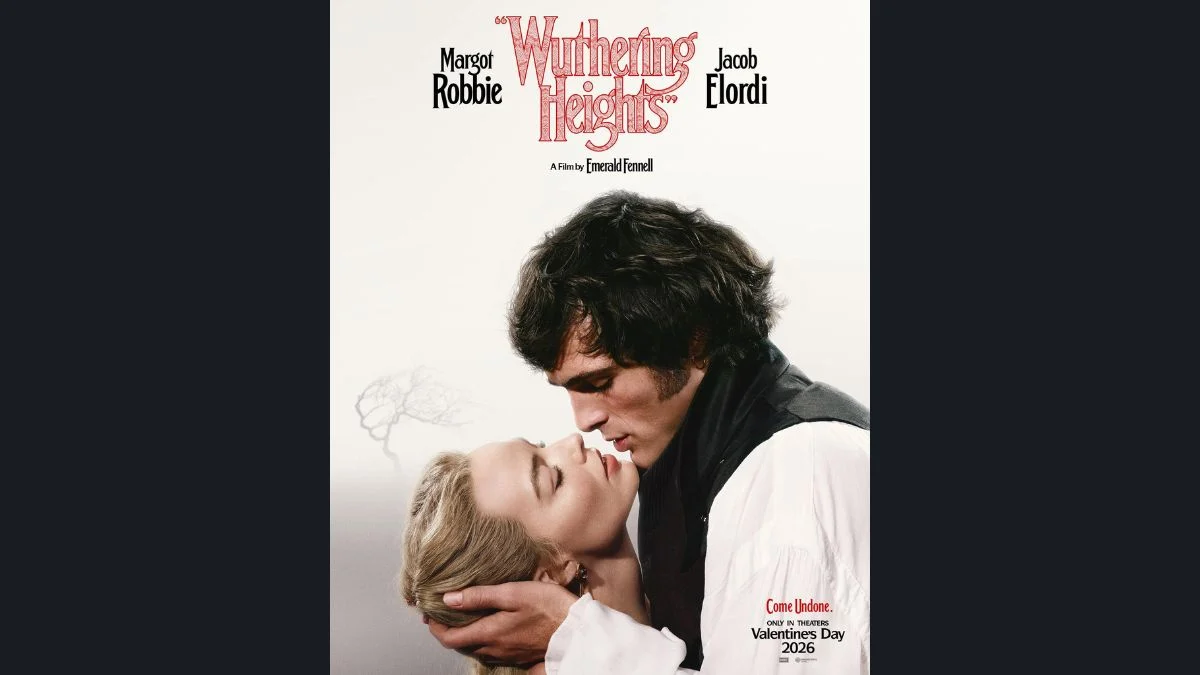
Few literary works carry the gothic weight and emotional complexity of Emily Brontë’s Wuthering Heights, and every new adaptation invites scrutiny. But the 2026 film adaptation of Wuthering Heights, directed by Emerald Fennell and starring Margot Robbie as Catherine Earnshaw and Jacob Elordi as Heathcliff, isn’t just another retelling—it’s a radical, provocative reimagining that has split critics and audiences alike.
Released ahead of Valentine’s Day weekend 2026, the film arrives amid heavy buzz, controversy, and polarized reviews. It blends modern aesthetics, heightened sensuality, and visually opulent storytelling with deliberate departures from the original 1847 novel. Some critics praise it as bold, indulgent, and electrifying, while others condemn it as shallow, emotionally hollow, and disrespectful to Brontë’s masterpiece.
This article unpacks the film’s creative vision, critical reactions, controversies, and why Wuthering Heights (2026) has become one of the most talked-about literary adaptations of the year.
Wuthering Heights (2026) Film Overview: Cast, Director, and Release Context
Emerald Fennell, known for Promising Young Woman and Saltburn, brings her signature provocative style to this adaptation. The casting of Margot Robbie and Jacob Elordi instantly made headlines, promising a visually striking and star-powered retelling of the doomed romance between Catherine and Heathcliff.
Key Official Details Table
| Category | Details |
| Film Title | Wuthering Heights (2026) |
| Director | Emerald Fennell |
| Main Cast | Margot Robbie (Catherine Earnshaw), Jacob Elordi (Heathcliff) |
| Release Window | Ahead of Valentine’s Day Weekend 2026 |
| Rating | R (explicit content) |
| Genre | Gothic Romance, Drama |
| Style | Loose, stylized modern adaptation |
| Music Reports | Original songs by Charli XCX (reported) |
| Rotten Tomatoes Score | ~71–73% Fresh |
| Metacritic Score | ~60/100 |

A Bold, Carnal Reimagining of a Gothic Classic
Unlike traditional adaptations that lean into gothic melancholy and social critique, Fennell’s Wuthering Heights amplifies passion, obsession, and sensuality. The film is described as “loose” and highly stylized, with modern cinematic flourishes and a heavy emphasis on erotic intensity.
Key Creative Changes from the Novel
- Increased eroticism and sensual visuals, with explicit scenes and heightened physical chemistry
- Bold cinematography and stylized visual language, leaning into visual spectacle over realism
- Modern touches, including reports of original songs by Charli XCX
- Simplified narrative structure, with certain characters removed or reduced
- Reduced racial dynamics around Heathcliff’s identity, a significant departure from Brontë’s layered themes
- Shifted focus from gothic tragedy and social commentary to obsessive romance and surface-level intensity
This creative direction makes the film feel more like a contemporary, provocative romance thriller than a faithful gothic literary adaptation.
Critical Reception: Why Critics Are So Deeply Divided
The film’s reception has been sharply polarized, echoing the mixed response to Fennell’s Saltburn. Critics largely agree on one thing: this is not a traditional Wuthering Heights.
Negative Reviews: “Superficial,” “Emotionally Hollow,” and “A Betrayal”
Many critics argue that the adaptation sacrifices depth for spectacle.
- The Guardian’s Peter Bradshaw gave the film 2 stars, calling it an “emotionally hollow, bodice-ripping misfire”. He criticized its “relentless silliness,” campery, and lack of genuine emotional impact, suggesting it pales in comparison to Fennell’s earlier work.
- The New Yorker described Robbie and Elordi’s performances as “paper-doll” versions of Catherine and Heathcliff, arguing the film is “extravagantly superficial” and fails to capture the tragic inevitability of Brontë’s story.
- Other critics went even further, comparing it to a “Fifty Shades reskin” and labeling it “astonishingly bad”, with some claiming it would leave “Emily Brontë rolling in her grave.”
These critics argue that by stripping away social context, gothic ambiguity, and psychological complexity, the film becomes a glossy but empty spectacle.

Positive Reviews: “Wild,” “Sexy,” and Visually Ravishing
On the other side, many critics embraced the film’s unapologetic indulgence.
- The Telegraph’s Robbie Collin awarded the film 5 stars, praising it as “resplendently lurid, oozy and wild.”
- Variety highlighted the “intense” chemistry between Robbie and Elordi, noting that the film amplifies passionate elements that were always present but often understated in previous adaptations.
- Critics from outlets like USA Today and Vulture described it as Fennell’s “dumbest” (in an admiring way) yet best film, celebrating it as sexy, funny, and visually vibrant, even if not faithful to high literature.
For these reviewers, the film succeeds precisely because it leans into spectacle, sensuality, and modern cinematic excess.
Audience and Social Media Buzz: Controversy Fuels the Conversation
Beyond critics, the film has generated massive online discourse. Discussions across social media, Reddit threads, and press coverage have kept the film trending since before its release.
Major Pre-Release Controversies
- Casting debates: Critics argued the leads were “too old” or “too white,” reigniting conversations about representation and fidelity to Brontë’s implied racial themes.
- Explicit content and R-rating: The film’s sexual content sparked debate about whether it sensationalizes or meaningfully explores obsession and toxicity.
- Provocative marketing: Fennell’s marketing leaned into sensual imagery and shock value, which some saw as deliberate bait for controversy.
The result: intense anticipation, polarized expectations, and massive engagement across platforms.

Aggregate Scores Reflect Polarization
Despite strong opinions on both sides, aggregate scores suggest a solid but divisive reception:
- Rotten Tomatoes: Around 71–73% “Fresh”, depending on snapshot timing
- Metacritic: Approximately 60/100
These numbers place Wuthering Heights (2026) in a similar critical territory to Saltburn, reinforcing Fennell’s reputation as a filmmaker whose work provokes extreme reactions rather than consensus.
Themes: Obsession, Toxic Love, and Modern Sensibilities
One of the most debated aspects of the film is its thematic shift. While Brontë’s novel explored class, race, generational trauma, and moral ambiguity, Fennell’s version focuses heavily on passion, erotic obsession, and toxic romance.
Some critics interpret this as a modern lens on destructive relationships, aligning with contemporary conversations about unhealthy love and power dynamics. Others argue the film flattens complex themes into spectacle and shock.
Is It Faithful to Emily Brontë’s Vision?
This is the central question dividing critics and fans.
- Purists argue the film removes essential layers of gothic tragedy, social critique, and moral ambiguity, reducing the story to stylized erotic melodrama.
- Supporters argue adaptation is interpretation, and Fennell’s version deliberately reframes the story for modern audiences, emphasizing sensuality and obsession as timeless elements.
Ultimately, fidelity versus reinterpretation remains the defining fault line in the film’s reception.
Why Wuthering Heights (2026) Matters in Modern Cinema
Regardless of whether critics love or hate it, the film represents a broader trend in contemporary adaptations:
- Classics being reimagined through bold auteur lenses
- Provocation and style prioritized to spark conversation
- Literary prestige intersecting with modern pop culture aesthetics
Emerald Fennell’s Wuthering Heights fits squarely into this movement, positioning itself less as a definitive adaptation and more as a cultural event.

Final Verdict: Thrilling Provocation or Hollow Spectacle?
Ultimately, the 2026 Wuthering Heights adaptation is neither universally praised nor universally condemned—it is polarizing by design.
For fans of bold, horny, visually opulent cinema with intense lead chemistry, the film may be thrilling, indulgent, and unforgettable. For readers deeply attached to Emily Brontë’s haunting, ambiguous gothic masterpiece, it may feel like a shallow, sensationalized misfire.
What’s undeniable is its impact: it has reignited debates about adaptation, fidelity, representation, and the role of provocation in modern filmmaking—and ensured that Wuthering Heights remains as controversial and compelling in 2026 as it was in 1847.


Leave a Reply