

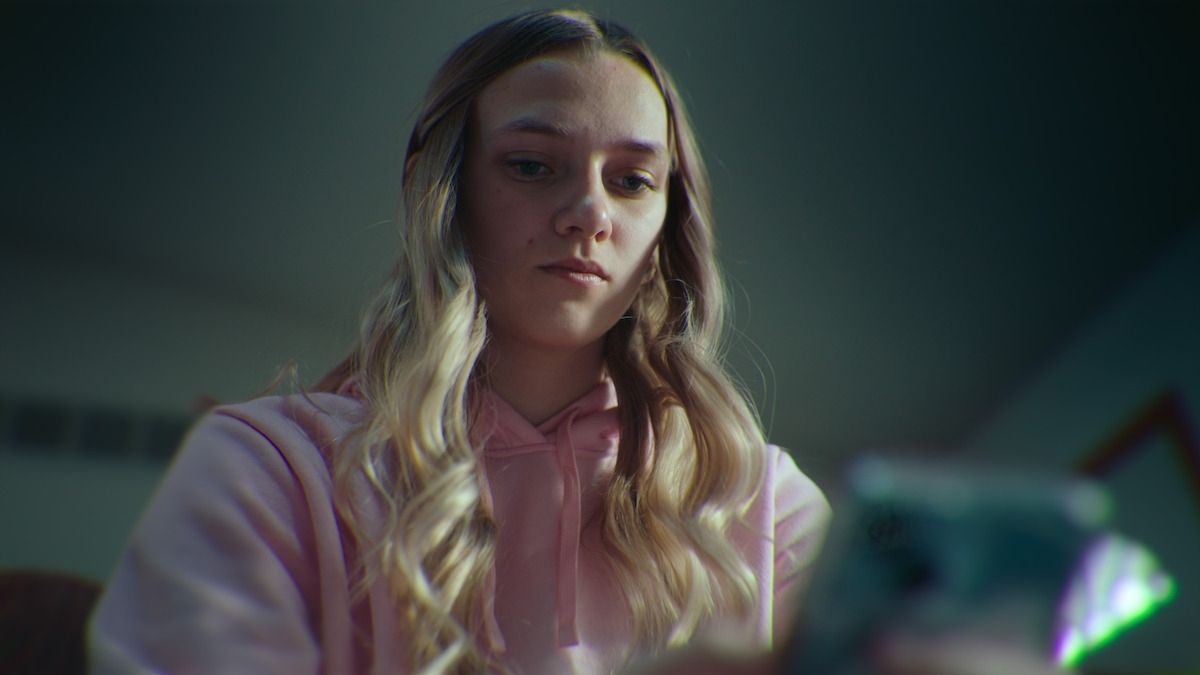

Netflix’s Unknown Number: The High School Catfish reads like a modern parable about technology, trust, and trauma: a string of anonymous, vicious texts that begin as everyday teen cruelty and spiral into a long, intimate campaign of harassment — only to be traced back to the person everyone trusted most. Skye Borgman’s documentary follows that reveal and the wreckage it leaves behind, unpacking how a single unknown number rewrote relationships in a small Michigan town.
The Narrative Arc — What Happens, in Plain Terms
In October 2020, a 13-year-old named Lauryn Licari and her then-boyfriend Owen McKenny began receiving obscene, manipulative, and threatening texts from an “unknown number.” After a pause, the messages resumed in September 2021 and continued, often daily, for roughly 15 months. The texts were intimate and targeted — accusing, shaming, and attempting to sabotage Lauryn’s relationships and social life — which pushed suspicion onto classmates, friends, and schoolmates and fractured trust across the community. As investigators followed digital traces and interviewed suspects, the case turned into something much stranger: the texts were being sent by Lauryn’s mother, Kendra Licari. That revelation — the moment law enforcement tells Lauryn that her mother was behind the messages — is the film’s emotional fulcrum.

How Investigators Followed an Anonymous Trail
The documentary walks viewers through the practical limits of anonymity online. The perpetrator used phone-masking and messaging tools to rotate numbers and hide origins, which is why suspicion could plausibly fall inside the school. Law enforcement—local police working with digital forensics specialists and federal assistance—followed billing records, app footprints, IP breadcrumbs, and device data until those layers began to line up. The case shows both how easy it has become to manufacture an anonymous persona and how patient, methodical digital investigation can eventually pierce that anonymity.
The Reveal and Legal Fallout

When investigators traced the harassment back to Kendra Licari, the confrontation was filmed on bodycam and appears in the documentary — the moment is raw and devastating for Lauryn and for viewers. Kendra was arrested in December 2022 and later pleaded guilty to felony stalking charges; court records and press reporting say her sentence was tied to those convictions. The story moved quickly from a local mystery to national headlines, and the legal outcome became part of the film’s arc.
Motive, Psychology, and Messy Human Explanations

The documentary refuses a tidy explanation. Kendra offers reasons in interviews — she frames her actions as a misguided attempt to get to the bottom of the harassment and as rooted in her own trauma and mental health struggles. Directors and interviewees speculate about control, attention-seeking, and reenactment of past victimization, but Unknown Number stops short of a clinical diagnosis. That restraint is deliberate: the film presents Kendra’s words and the evidence, then leaves viewers to wrestle with the question of why a parent would weaponize anonymity against her child.

Might Interest You:
The Collateral Damage — Who else Suffered?

One of the documentary’s most important angles is how suspicion and rumor can create new victims. Classmates were questioned, friendships dissolved, and at least one teen (discussed in press coverage and the film) was publicly suspected and traumatized before being cleared. The movie spends time on their perspectives to show the ripple effects of anonymous harassment: when you don’t know who is behind the screen, entire communities become suspect. That social fallout is a cautionary tale about jumping to conclusions and about how quickly online abuse can spread into real-world harm.
Filmmaking Choices — Why Borgman structures the story the way she does

Skye Borgman interweaves police footage, interviews with victims and accused classmates, home videos, and Kendra’s own interviews. The result is a mosaic that balances investigative detail with emotional testimony. By including the voices of the wrongly accused, the film broadens from a single family drama into a community case study about trust, rumor, and the limits of adolescent accountability in the digital age. The inclusion of Kendra’s perspective is controversial — the director says she wanted to offer a full portrait — but that choice pushes viewers to confront uncomfortable contradictions: abuser and parent, victim and perpetrator.
Legal and Social takeaways
- The law can reach behind digital masks, but it often takes time, expertise, and cross-jurisdiction cooperation. The case demonstrates how police trace metadata, service providers, and app footprints.
- Family abuse can look like other crimes. This was not typical peer bullying; it was abuse that used technology to manipulate identity and relationships, which complicates prevention and response.
- Communities need trauma-informed responses. Those wrongly accused — and the public the accusations targeted — suffered harms that weren’t resolved simply by naming the perpetrator. The film underscores the need for schools and police to balance investigative urgency with care for those under suspicion.
What the documentary doesn’t (and can’t) answer
- A definitive clinical diagnosis for Kendra — the film can show behavior and motive narratives, but it cannot substitute for a confidential psychiatric evaluation.
- The long-term emotional toll on Lauryn, Owen, and the other teens — the documentary captures the immediate aftermath and some follow-ups, but trauma unfolds over the years.
- Whether earlier interventions (school counselors, family therapy) would have prevented escalation, the film raises the question, but can’t run alternative histories.

Why this Story Matters beyond one Family
Unknown Number is disturbing because it undermines a foundational social contract: that parents protect kids from harm. When the abuser is a caregiver, the harm is compounded. At the same time, the story illuminates how digital tools magnify old dynamics (jealousy, control, shame) into sustained campaigns that are harder to police and easier to monetize emotionally. The documentary sits at the intersection of true crime, social sociology, and digital ethics — and it forces viewers to ask how communities, schools, platforms, and courts should adapt.
Final thoughts — What to take away?
- For parents: monitor how your child’s social life changes, keep lines of communication open, and take anonymous harassment seriously — but also avoid fueling rumors or scapegoating classmates without evidence.
- For teens: document harassment, involve trusted adults early, and understand that the same tech that enables anonymity can leave traces investigators can follow.
- For policymakers and platforms: the case is another reminder that laws, reporting tools, and educational programs must evolve to address abuse that originates from unexpected, trusted sources.
More Trending Stories:


![YouTube Offers Millions to Keep Top Creators Exclusive as Netflix Moves In: “Deprioritizing [YouTube] as Their Primary Outlet”](https://i0.wp.com/backyarddrunkard.com/wp-content/uploads/2026/08/Zulfugar-Karimov-Pexels-Credit-.webp?fit=1024%2C576&ssl=1)


Leave a Reply