

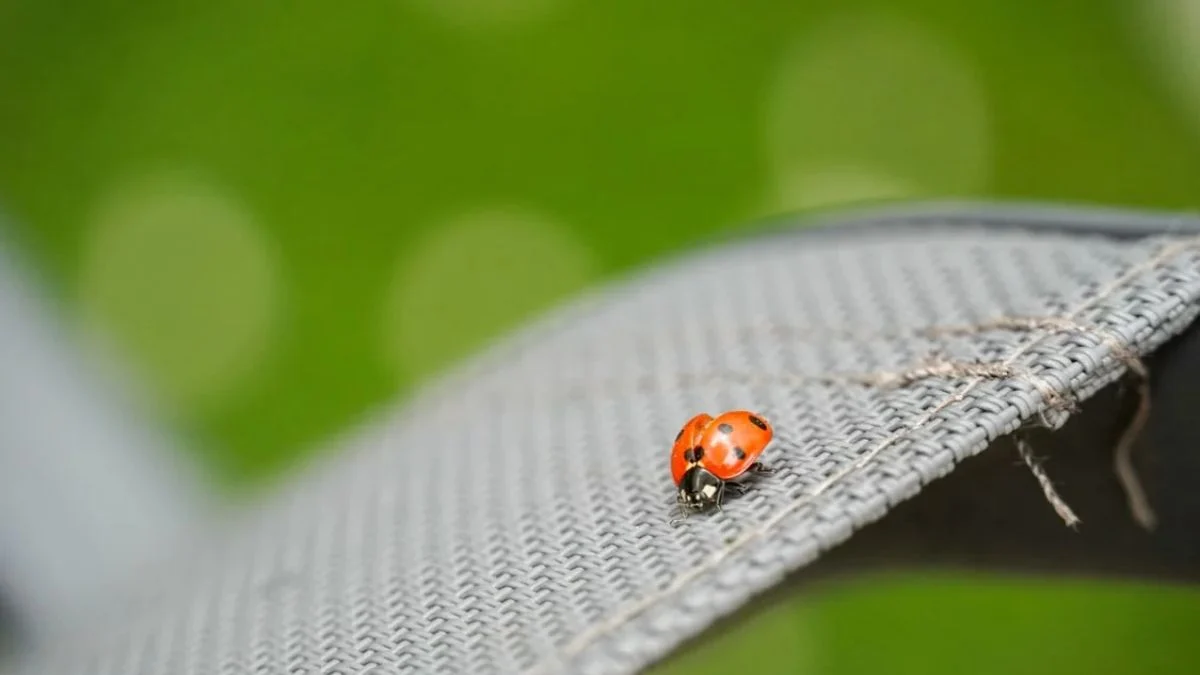
Ladybirds are usually welcomed as harmless garden visitors, but their sudden appearance in large numbers around UK homes is attracting attention for an unusual reason. As autumn brings colder temperatures, harlequin ladybirds are gathering around windows, doors and buildings, with some finding their way indoors in search of somewhere to spend the winter.
However, it is not just their growing presence that has caught people’s attention. These non-native insects can carry a fungus described as a sexually transmitted disease among ladybirds. The discovery sounds alarming, but the science behind it tells a rather different story about what households should actually be concerned about.
Why Are Harlequin Ladybirds Invading UK Homes in Autumn 2026?
The sudden appearance of large groups of ladybirds is closely connected to their natural winter survival cycle. As temperatures fall, ladybirds prepare to enter a dormant period known as diapause, during which they seek sheltered locations to protect themselves from colder conditions.
Different ladybird species use different places to survive the winter, but harlequin ladybirds are particularly known for gathering in large groups.
In their native Asian range, these insects would naturally shelter in places such as caves, hollow trees and other protected environments. In Britain, however, residential buildings can provide a convenient alternative.
According to the Natural History Museum, harlequin ladybirds may enter homes through small gaps around the edges of loose-fitting windows. Once inside, they can gather around window frames and other sheltered areas.
The Royal Horticultural Society (RHS) also explains that harlequin ladybirds overwinter in protected locations, sometimes inside buildings. During autumn, adults can form particularly noticeable aggregations on sunny sides of buildings and other structures.
This explains why residents might suddenly notice dozens of ladybirds around their properties. Their appearance does not necessarily indicate that they are breeding indoors or that a new infestation has developed.
They are generally searching for somewhere protected to spend the colder months.
When Wildlife Stories Trigger Health Fears
Unusual wildlife reports can quickly become confused with genuine public-health concerns online. For another fact-checking example, see our Bundibugyo Ebola outbreak report.
What Are Harlequin Ladybirds? Identifying the Non-Native Species
Scientifically known as Harmonia axyridis, the harlequin ladybird is a non-native insect originating in Asia.
The Natural History Museum says the species likely arrived in Britain in 2004, after spreading from areas where it had been used as a biological control agent against aphids and scale insects.
Since then, it has become widely established across Britain.
One reason identifying harlequin ladybirds can be difficult is their unusually varied appearance. Unlike some familiar ladybird species, they do not have one consistent colour pattern.
According to The Wildlife Trusts, harlequin ladybirds can be:
- Yellow, orange, red or black.
- Marked with anywhere between zero and 21 spots.
- Orange with numerous black spots.
- Black with several orange or red spots.
The Natural History Museum explains that they are generally around the same size as, or slightly larger than, the familiar seven-spot ladybird.
There is also another useful identification feature: their underside and legs.
Most harlequin ladybirds have orange colouring underneath and orange legs, whereas native ladybirds often have black colouring in these areas.
However, colour alone is not enough to establish a species’ identity. Several native ladybirds also display considerable variation in appearance, so identification requires attention to multiple features.
What Is the Sexually Transmitted Fungus Found on Ladybirds?
The unusual scientific detail attracting attention is a fungus known as Laboulbenia.
The Natural History Museum describes harlequin ladybirds as carrying an STD known as laboulbenia. The term refers to a fungus that can grow on the insects’ external bodies and spread between ladybirds.
Unlike infections associated with human sexual health, this particular transmission process concerns the biology of the insects.
Laboulbenia can develop on the outside of a ladybird’s body, forming small structures or pale, crust-like growths on its exoskeleton. These growths can appear around the wing cases and may sometimes be visible without specialist equipment.
Interestingly, harlequin ladybirds are not the only insects affected by this fungus.
Native ladybirds can also become infected, meaning the harlequin is another host rather than the only species capable of carrying it.
The fungus can be transmitted during mating, which explains why scientists describe it as sexually transmitted between the insects.
That distinction is important because the terminology can easily be misunderstood when taken out of its biological context.
Can the Harlequin Ladybird Fungus Infect Humans?
Despite the attention surrounding the sexually transmitted fungus, there is no reason for people to worry about contracting it from ladybirds.
Humans cannot be infected by the Laboulbenia associated with these insects.
Natural History Museum Senior Curator of Beetles Max Barclay has directly addressed the concerns surrounding the fungus, explaining why its transmission between ladybirds does not create a human health risk.
Barclay said:
“That’s ridiculous. It’s a fungus that grows on the exoskeleton and we don’t have one of these. Also, we don’t have sex with ladybirds.”
The Natural History Museum also quotes Barclay reassuring the public that these insects:
“can’t give you diseases”
His explanation makes the scientific distinction clear. Laboulbenia is a real fungus, and transmission between ladybirds is a real biological process. However, neither fact means that the fungus can infect people.
The unusual description of the fungus should therefore not be confused with a human sexually transmitted infection.
Are Harlequin Ladybirds Dangerous to People or Pets?
Harlequin ladybirds are not considered dangerous to humans.
According to the Natural History Museum, they can occasionally bite people if provoked, but these bites are harmless and cause no more than minor irritation.
There is another reason households should avoid crushing them, however.
When disturbed or squashed, harlequin ladybirds can release a yellow defensive chemical. This substance can produce an unpleasant smell and may leave stains on walls, furnishings and other surfaces.
The Natural History Museum specifically advises against squashing the insects because of this secretion.
The RHS similarly explains that there is no danger associated with harlequin ladybirds inside buildings, although their defensive liquid can cause staining.
Consequently, the main concern surrounding these insects is not their effect on human health but their potential impact on Britain’s native wildlife.
Why Are Harlequin Ladybirds Considered an Invasive Species?
Harlequin ladybirds were originally valued because of their appetite for aphids and other agricultural and garden pests. However, their feeding habits are considerably broader than those of a specialist aphid predator.
The Royal Horticultural Society explains that their diet can also include:
- Scale insects.
- Butterfly and moth eggs.
- Butterfly and moth larvae.
- Other small insects.
- Other ladybirds.
The species can also engage in cannibalism.
These feeding habits have raised concerns about competition with native ladybirds. Harlequins can compete with established species for aphids and other food sources, while their adults and larvae can prey on other ladybirds.
Nevertheless, the ecological impact should not be exaggerated.
The RHS says evidence from Britain remains mixed. Some native ladybird species have not demonstrated declines in areas where harlequins are present, while others have become less common.
Research into the longer-term ecological consequences is continuing.
The Natural History Museum also reports that harlequin populations appear to face pressure from disease and native predators. One example is a parasitic wasp that attacks the beetles.
These pressures suggest that their populations are expected to reach some form of ecological balance rather than increasing indefinitely.
Where Are Harlequin Ladybirds Appearing Across the UK?
Harlequin ladybirds are now widely established throughout England and Wales and are spreading further north into Scotland.
The Natural History Museum describes the species as widely distributed across England and Wales. The Wildlife Trusts identifies it as an introduced species that has become common across the UK.
The Birmingham & Black Country Wildlife Trust also describes harlequins as prevalent in towns and gardens, with established populations across England and Wales and further spread into Scotland.
Recent reports published on October 30, 2026, described substantial gatherings around homes and buildings in parts of north-east England.
The reported locations included:
- Newcastle.
- Durham.
- Teesside.
- Tyneside.
- Cumbria.
These sightings are consistent with the insects’ established autumn behaviour of gathering in sheltered locations.
However, the reports should not be interpreted as evidence that every ladybird in these areas is a harlequin or that the entire UK is experiencing an unprecedented infestation.
Their presence in northern England is not a new development, even if the size of autumn gatherings makes them particularly noticeable.
Why Do So Many Ladybirds Suddenly Appear Around Windows and Doors?
Harlequin ladybirds naturally aggregate when searching for suitable overwintering locations.
During autumn, they can gather on the outside of buildings before moving into cracks, gaps and other sheltered spaces.
The RHS explains that adults can form large aggregations, particularly on sunny sides of buildings and other structures.
This behaviour can make their arrival seem surprisingly sudden. A property that had few visible insects only days earlier might suddenly have clusters around external walls, windows and doors.
According to The Wildlife Trusts, the usual UK season for harlequin ladybirds runs from March to November.
The organisation also highlights their tendency to enter buildings during autumn as they search for somewhere to spend winter.
Their appearance around residential properties is therefore closely connected to seasonal environmental conditions rather than necessarily indicating an indoor breeding problem.
How Can Households Keep Harlequin Ladybirds Out?
Although harlequin ladybirds are not considered dangerous household pests, residents who do not want them indoors can take some straightforward measures.
The Natural History Museum recommends ensuring that doors and windows are properly sealed and insulated. Reducing gaps around these areas can make it more difficult for the insects to enter.
If ladybirds have already made their way inside, gently removing them is preferable to crushing them.
Buglife recommends relocating indoor ladybirds to a sheltered outdoor location, such as a log pile.
The RHS also says that insects found inside buildings can be captured and removed or simply tolerated.
There is no effective control method for eliminating harlequin ladybirds without potentially affecting other insects. Measures targeting the species could also harm native ladybirds and other beneficial wildlife.
Trying to eliminate a small number of insects around an individual property would therefore have no meaningful effect on the overall UK population.
What Should You Do If You Spot Laboulbenia on a Ladybird?
People do not need to take health precautions simply because they encounter a ladybird carrying Laboulbenia.
The pale or crust-like growths associated with the fungus may look unusual, but they are linked to the insect’s body rather than a human infection.
It is also important not to assume that every pale mark on a ladybird is Laboulbenia. Accurate identification can require expertise, particularly because harlequin ladybirds have varied colour patterns and other organisms can also affect insects.
For people interested in helping researchers understand Britain’s ladybird populations, recording sightings can be useful.
Buglife encourages members of the public to identify ladybirds and submit their observations to the UK Ladybird Survey through iRecord. These records can help researchers monitor species distribution and changes over time.
Should UK Residents Be Worried About the Autumn Ladybird Gatherings?
The current autumn gatherings do not represent a human health emergency.
The unusual aspect of the story is the presence of a fungus that can be sexually transmitted between ladybirds. Although the description sounds alarming, it relates specifically to the insects’ biology.
The Natural History Museum has reassured the public that Laboulbenia cannot infect humans and that harlequin ladybirds cannot give people diseases.
The wider concern remains ecological. Harlequin ladybirds can compete with native species for food and prey on their eggs and larvae, although research into their effects on individual native species has produced mixed evidence.
For households, the immediate situation is much less complicated. The insects are looking for protected places to survive the winter.
Sealing gaps around doors and windows can help reduce their entry, while ladybirds already inside can be gently relocated rather than crushed.
Separating Viral Health Claims From Evidence
Health-related claims can spread rapidly when unusual events are presented without their scientific context. See our viral Freemason whistleblower plague fears WHO report for another case involving disputed health claims.
Conclusion
Harlequin ladybirds gathering around UK homes in autumn 2026 are displaying their normal seasonal behaviour as they search for sheltered places to overwinter. Their unusual ability to carry Laboulbenia, a fungus transmitted sexually between ladybirds, has attracted attention, but it does not create a human health risk.
The species remains an established non-native insect with ecological effects that continue to be monitored, particularly because it can compete with and prey on native ladybirds.
For residents, however, there is no reason to panic. These insects are primarily looking for somewhere warm and protected to spend the colder months, and simple measures such as sealing windows and doors can help keep them outside.
Sources
- Natural History Museum: Why harlequin ladybirds are invading our homes
- Royal Horticultural Society: Harlequin Ladybird identification and impact
- The Wildlife Trusts: Identify beetles, including harlequin ladybirds
- Buglife: Lovely Ladybirds
- Birmingham & Black Country Wildlife Trust: Harlequin ladybird
- Great Park Gazette: Ladybird swarms reported across the North East, October 30, 2026
Featured Image Credit: Nabil Atiche / Pexels


Leave a Reply