


When you first jump into Beast of Reincarnation, it’s easy to think you’re about to get destroyed. The intense sword combat, parry-heavy mechanics, towering bosses, and obvious Soulslike inspiration make the game look brutally unforgiving. It definitely has the style of a hardcore action RPG, and the opening hours don’t exactly go easy on you.
But here’s the surprise—Game Freak has made the game far more accessible than it initially seems. Instead of forcing every player into the same punishing experience, the developers let you choose how challenging you want your journey to be. Whether you’re here for the emotional story, the satisfying combat, or you’re looking for a true test of skill, there’s a difficulty setting built for you.
Even better, you’re never locked into your decision. Unlike many action RPGs, Beast of Reincarnation lets you switch between all three difficulty modes whenever you want, with absolutely no penalties. If a boss is giving you nightmares, you can lower the difficulty, beat the fight, and jump right back to your preferred setting without affecting your progress, achievements, or rewards.
Let’s break down every difficulty setting, explain how each one changes combat, and help you decide which mode is the perfect fit for your adventure.
If you’re still deciding whether the game itself is worth your time before digging into the settings, we’ve covered that in detail. To know more, read our article Beast of Reincarnation Review (2026): Game Freak Reinvents Itself With a Brutal Action RPG That Every Soulslike Fan Should Play
Every Beast of Reincarnation Difficulty Setting Explained
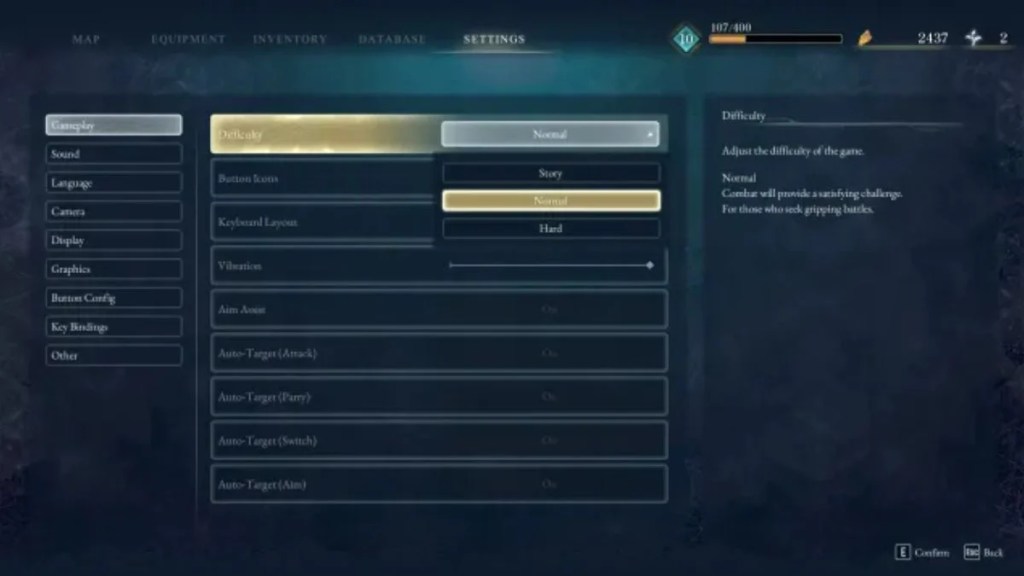
Beast of Reincarnation includes three different difficulty options that cater to different types of players.
| Difficulty | Best For | Key Changes |
| Story Mode | Beginners and players focused on the narrative | Wider parry timing and reduced enemy damage |
| Normal Mode | Most players | Balanced combat and the intended gameplay experience |
| Hard Mode | Veterans of action RPGs and Soulslikes | Tighter parry windows and significantly higher enemy damage |
The biggest advantage is that your choice is never permanent. You can freely switch between Story, Normal, and Hard Mode at any point during your playthrough without losing progress or being punished in any way.
Players who want to prioritize exploring the world at their own pace might also want to know how open Emma’s journey actually is. To know more, read our article Is Beast of Reincarnation Open World? Everything You Need to Know About Exploration
Story Mode Explained
If your goal is to experience Emma and Koo’s journey without constantly worrying about difficult combat, Story Mode is easily the best option.
Enemies hit noticeably softer, giving you much more room for mistakes during fights. On top of that, the parry timing window becomes much more forgiving, making defensive play considerably easier for newcomers.
That doesn’t mean the combat suddenly plays itself. You’ll still need to dodge incoming attacks, parry enemy strikes, make smart use of Emma’s combat abilities, and command Koo effectively throughout battles. Bosses can still punish careless mistakes, but they’re much less overwhelming than on higher difficulties.
Story Mode is ideal if you:
- Are completely new to action RPGs.
- Usually avoid Soulslike games.
- Want to focus more on exploration and story.
- Prefer a relaxed adventure instead of a constant challenge.
The best part? Nothing gets locked away.
Choosing Story Mode doesn’t disable achievements, trophies, collectibles, or any story content. You’ll still experience everything the game has to offer.
Other recent action RPGs have rolled out their own adjustable difficulty options through post-launch updates. To know more, read our article Crimson Desert Version 1.04.00 Update: New Skills, Difficulty Settings, Pets, and More
Normal Mode Explained
Normal Mode is the default setting and the experience Game Freak originally balanced the game around.
Enemy damage, parry timing, and overall combat balance encourage players to gradually learn enemy attack patterns while mastering Emma’s swordplay alongside Koo’s unique support abilities.
As your adventure progresses, you’ll unlock new combat tools including:
- New Skills
- Blooming Arts
- Spirit Stones
- Upgrades for both Emma and Koo
Rather than brute-forcing every fight, Normal Mode encourages you to experiment with these mechanics and discover what works best for your playstyle.
If you’ve previously played games like Sekiro, Star Wars Jedi, or Wo Long, you’ll probably feel comfortable starting here.
For the majority of players, Normal Mode delivers the perfect balance between accessibility and challenge.
Similarly punishing top-tier difficulty options exist in other major releases for players chasing that same level of intensity. To know more, read our article Resident Evil Requiem Insanity Difficulty Explained
Hard Mode Explained
If you’re the type of player who loves getting punished until you finally master every mechanic, Hard Mode was made for you.
Enemy attacks deal significantly more damage, mistakes become much more costly, and the parry timing window shrinks considerably. Every successful fight depends on learning attack patterns, using Koo’s abilities intelligently, and avoiding unnecessary risks.
Hard Mode rewards precision and a deep understanding of the combat system.
Some early reports also suggest that Hard Mode may slightly improve certain drop rates or rewards. However, this hasn’t been officially confirmed across every source, so it shouldn’t be your primary reason for selecting the difficulty.
Hard Mode is recommended if you:
- Love difficult action RPGs.
- Have experience with Sekiro-style combat.
- Want every boss fight to feel intense.
- Enjoy mastering mechanics over accessibility.
Despite its challenge, Hard Mode still doesn’t lock exclusive rewards or content behind higher difficulty.
This kind of flexibility around difficulty and progression carryover is becoming more common, including in other upcoming RPGs. To know more, read our article Digimon Story: Time Stranger – New Game+ Mode Explained: Unlockables, Carryovers & Mega+ Difficulty
Can You Change Difficulty Anytime?
Absolutely.
One of Beast of Reincarnation’s most player-friendly features is its completely flexible difficulty system.
You can switch between Story Mode, Normal Mode, and Hard Mode whenever you want during your adventure.
There are no penalties for lowering or increasing the difficulty, and changing it will never affect:
- Story progression
- Collectibles
- Achievements
- Trophies
- Endings
- Unlockables
If one particular boss is becoming frustrating, simply lower the difficulty, finish the fight, and switch back afterward.
The game fully supports this approach.
Menu-based options for adjusting your playthrough after the credits roll show up in plenty of other big releases too. To know more, read our article Does Resident Evil Requiem Have New Game Plus?
How to Change Difficulty in Beast of Reincarnation
Changing the difficulty is incredibly simple and doesn’t require starting a new save file.
If you decide later that you’d rather have an easier—or harder—experience, you can adjust the setting at any point during your journey.
Whether extra-difficulty modes actually unlock anything meaningful is a common question across other action games as well. To know more, read our article Does Pragmata Have New Game Plus? NG+ Details Explained
Steps to Change Difficulty
- Pause the game while playing.
- Open the Options or Settings menu.
- Navigate to the Difficulty option.
- Select Story Mode, Normal Mode, or Hard Mode.
- Confirm your choice and continue playing.
Just remember that you need an active save loaded. The difficulty option isn’t available directly from the title screen before loading into your game.
Combat-heavy genre comparisons are always worth a look if you’re deciding between multiple demanding titles. To know more, read our article Is Where Winds Meet a Soulslike?
Does Changing Difficulty Affect Rewards?
No.
Unlike many action RPGs, Beast of Reincarnation never punishes players for adjusting the challenge.
No matter which difficulty you play on, you’ll still be able to:
- Experience the complete story.
- Unlock every area.
- Collect every collectible.
- Earn all trophies and achievements.
- Progress through the game normally.
There are also no exclusive endings, weapons, or progression rewards tied to any difficulty level.
This makes the system incredibly flexible. If a difficult boss is blocking your progress, you can lower the challenge temporarily without worrying about missing any content.
Choosing the right build or playstyle from the start can make a similarly big difference in other games with flexible character systems. To know more, read our article Which Social Mode Should You Choose in Where Winds Meet?
How Each Difficulty Changes Combat
Although the story and progression remain exactly the same, each difficulty dramatically changes the feel of combat.
Story Mode
- Much wider and more forgiving parry timing.
- Enemies deal noticeably less damage.
- Mistakes aren’t nearly as punishing.
- Perfect for learning enemy patterns and core mechanics.
Normal Mode
- Standard enemy damage.
- Balanced parry timing.
- Encourages mastery of Emma’s swordplay alongside Koo’s support abilities.
- The overall experience recommended by Game Freak.
Hard Mode
- Extremely tight parry timing.
- Enemies inflict significantly more damage.
- Missed parries and poor positioning are punished heavily.
- Demands strong mechanical skill and boss knowledge.
Enemy aggression stays largely the same across all three settings, but the tighter timing windows and increased damage on Hard Mode make every encounter feel dramatically less forgiving.
Picking the right option from a handful of choices can shape your entire playthrough, the same way choosing a class does in other action games. To know more, read our article Mistfall Hunter Class Tier List: Best Classes Ranked for the Launch Meta (All 6 Classes Ranked)
Other Systems That Also Affect Difficulty
Difficulty settings aren’t the only thing that determines how challenging Beast of Reincarnation feels.
Several progression systems gradually make combat easier regardless of which mode you’re playing.
Emma and Koo’s Skill Trees
Both Emma and Koo have their own upgrade trees packed with new combat abilities, passive bonuses, and stronger Blooming Arts.
Unlocking the right skills can massively improve your survivability while increasing your overall damage output, making later encounters much easier to handle.
Spirit Stones and Character Builds
Spirit Stones allow you to customize Emma’s build around offense, defense, or utility.
Experimenting with different combinations can often have a bigger impact than simply lowering the game’s difficulty.
Koo’s Command System
One of the smartest accessibility features in the game is Koo’s command menu.
Whenever you activate Blooming Arts, combat briefly slows down, giving you valuable time to analyze the battlefield and choose your next move instead of reacting under pressure.
This built-in slowdown naturally makes even hectic boss fights feel much more manageable.
No Death Penalty
Unlike traditional Soulslike games, Beast of Reincarnation is surprisingly forgiving after death.
There is:
- No lost currency.
- No corpse run.
- No dropped experience.
- No need to recover lost resources.
In many situations, defeated enemies also remain defeated after you respawn.
That means you’re encouraged to experiment with different builds, strategies, and difficulty settings without repeatedly clearing the same enemy groups every time you fail.
If you’re looking for another game with flexible class options and strong build variety once you’re done here, this guide breaks down the strongest picks. To know more, read our article Hell Let Loose: Vietnam Best Roles Guide – Every Class Explained, Best Picks, Beginner Tips & Loadouts (2026)
Which Difficulty Should You Choose?
Still undecided? Here’s a quick recommendation.
| Player Type | Recommended Difficulty |
| New to action RPGs | Story Mode |
| Want to focus on the narrative | Story Mode |
| Most players | Normal Mode |
| Familiar with action combat | Normal Mode |
| Love Sekiro, Lies of P, or other Soulslikes | Hard Mode |
| Stuck on a difficult boss | Lower the difficulty temporarily, then switch back afterward |
For most players, Normal Mode offers the best overall experience by balancing challenge with accessibility.
If you’re mainly here to enjoy the story and explore the world, Story Mode is an excellent choice.
Meanwhile, Hard Mode is perfect for players who want every fight to push their combat skills to the limit.
Final Thoughts
Game Freak deserves credit for taking a refreshing approach to difficulty in Beast of Reincarnation. Instead of locking players into a single choice or hiding rewards behind tougher settings, the game gives everyone the freedom to shape their own experience.
Whether you’re diving into the emotional journey of Emma and Koo, mastering precise swordplay, or chasing the thrill of defeating brutal bosses, every difficulty delivers the complete game without restricting progression.
And if you ever hit a wall, don’t hesitate to lower the challenge for a while. Since there are no penalties for changing difficulty, Beast of Reincarnation encourages you to learn, improve, and enjoy the adventure at your own pace—the way every great action RPG should.
Disclaimer
This guide is based on the launch version of Beast of Reincarnation (Version 1.0) and our hands-on experience with the game, alongside official developer information and verified launch-day reporting. Gameplay balance, difficulty tuning, and other mechanics may change through future patches and updates.
Official Website: https://www.beastofreincarnation.com/


Leave a Reply