

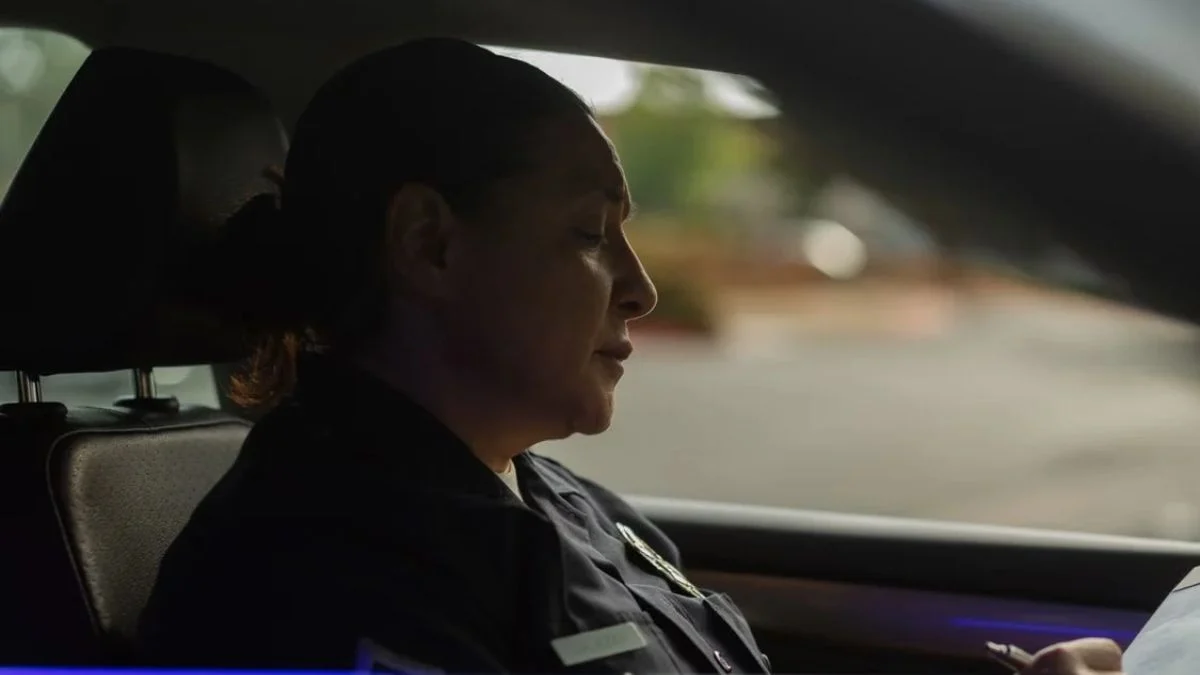
Humberside Police control room staff have shared unusual stories from Britain’s emergency 999 service, revealing the unexpected complaints that can reach police operators when people call for help. Among the incidents described are a woman who claimed an alien assaulted her, a caller who blamed a ghost for a missing mobile phone, and reports of seagulls stealing ice creams.
The stories, reported by the BBC on October 16, 2026, highlight a serious issue behind the bizarre details: emergency call handlers must assess every report while ensuring that people facing genuine danger can reach the police without unnecessary delays.
Humberside Police Officer Recalls Woman’s Claim of an Alien Assault
One of the most unusual incidents involved a woman who called 999 claiming that an alien had assaulted her outside her home. According to the account, she also alleged that the supposed attacker worked for the government.
Ben Parry, a 23-year-old contact officer who joined the Humberside Police force control room in March 2026, took the call. His account offers a glimpse into the judgment required of staff who must respond to reports ranging from straightforward emergencies to claims that are difficult to assess.
Parry explained that operators cannot simply dismiss a caller because their account sounds implausible. Every report must be considered individually so staff can determine whether assistance is needed.
Recalling the conversation, he said:
“She [the caller] said that she had been assaulted by an alien outside her home address, and that they worked for the government,” he says.
The account was unusual, but Parry stressed that his responsibility was to assess the information rather than make an immediate assumption about the caller’s credibility.
“We have to assess each call, even if we think personally that the calls are not genuine, we still have to take each call as they come in.
“We’re here to help everyone.”
The comments underline a central challenge for emergency services. An unusual account does not automatically establish whether a person needs help, and call handlers must evaluate the information available before deciding how to proceed.
The BBC report said the woman’s call would be logged by the force as a hoax call. However, it did not establish whether she was experiencing a mental health episode, and the incident should not be treated as evidence of any particular diagnosis.
For Parry, the wider concern was how inappropriate calls could affect the service available to people who genuinely need police assistance.
“It’s really hard to try and give our victims the best possible service when the line is been abused,” he says.
His remarks highlight the difference between assessing an unusual report and using an emergency number for a complaint that does not require an urgent police response.
Charlie Duke’s UFO Theory and Claims About Alien Encounters
Unusual reports about aliens can attract attention even when the claims remain unverified. Explore a different perspective on UFO beliefs in the Charlie Duke UFO demon theory report.
Ghosts Stealing Mobile Phones and Seagulls Taking Ice Creams
The alleged alien assault was not the only unusual incident recalled by Humberside Police staff. Michelle Chamberlain, the force’s control room manager, described several other calls that illustrate the variety of complaints reaching the emergency line.
Chamberlain has served with the force for 28 years, giving her extensive experience of the demands placed on police contact teams. Among the examples she shared were reports involving missing possessions, wildlife and everyday household problems.
One caller reportedly contacted the police to say a ghost had stolen their mobile phone.
“Recently, people have rung to say that a ghost has stolen their mobile phone,” Chamberlain says.
Other callers had a more familiar complaint involving local wildlife, although the issue still reached the emergency service.
“People are ringing to say seagulls are stealing their ice creams.”
Chamberlain also recalled someone calling 999 to report a mouse inside their property.
In another incident, a caller complained about an unpleasant smell in their garden. The person reportedly said their garden “smells like wee” and explained that they had already tried using lemon bleach to resolve the problem before deciding to contact the police.
These examples range from extraordinary claims to ordinary nuisances. Together, they demonstrate how widely the reasons for contacting a police control room can vary, even when a situation does not appear to require an immediate emergency response.
The report does not establish that every caller deliberately intended to waste police time. The examples instead illustrate why people need to understand which service is appropriate for their particular problem.
Why Hull Fair Creates Additional Calls for Humberside Police
The control room also faces a range of additional complaints around Hull Fair, an annual event in Hull that brings crowds and increased pressure on the surrounding area.
According to Chamberlain, the event coincides with calls about traffic congestion, parking, mess and other local disruption. While these concerns can affect residents and visitors, they do not necessarily require an emergency police response.
Chamberlain described the types of complaints the team receives during the period:
“We have a lot of calls around the complaints of the additional traffic, congestion, parking, mess,” she says.
The comments identify Hull Fair as a period when the control room deals with a range of additional concerns. However, the report does not provide a numerical breakdown of calls received during the event or establish how many extra calls can be attributed to it.
For control room staff, the challenge is to distinguish between complaints that can be handled through routine reporting channels and situations requiring immediate intervention.
A report about congestion or an everyday nuisance may need a different response from an incident involving violence or an immediate threat to life. Choosing the correct reporting channel helps police staff direct their attention and resources appropriately.
Humberside Police Warns That Inappropriate 999 Calls Divert Resources
Behind the unusual stories is a wider concern about the demands placed on emergency services.
Every incoming call must be assessed so operators can establish what has happened, whether someone needs assistance and what response may be appropriate. When people use the emergency line for matters that do not require urgent police intervention, those calls can take up time that staff need to manage other incidents.
Chamberlain warned that this can affect vulnerable people who depend on the police for help.
“It’s taking our resources away from our most vulnerable and we need to protect our communities and answer our calls at the most efficient time.”
Her warning focuses on the need to keep emergency services accessible to people facing serious situations. The issue is not simply that unusual complaints reach the police, but that non-urgent calls can complicate the allocation of staff and resources.
Humberside Police’s published annual accounts for the 2024–25 financial year provide context for the force’s contact workload.
| Call category | Calls answered in 2024–25 |
| Emergency 999 calls | 159,999 |
| Non-emergency calls | 251,825 |
These figures represent the force’s overall call-handling workload. They do not identify how many calls were hoaxes or inappropriate complaints, so they cannot be used to calculate the frequency of emergency service misuse.
Nevertheless, the figures illustrate the volume of public contact handled by the force and the importance of maintaining a clear distinction between emergency and non-emergency reporting.
Humberside Police Explains When to Call 999 or 101
Chamberlain believes that better public understanding of when to contact the police could help reduce inappropriate emergency calls.
She suggested that addressing the problem may require “re-educating the public” about “making the right call”.
The force encourages people to consider the urgency of their situation before deciding how to report it. Anyone facing immediate danger should not hesitate to seek emergency assistance, while routine complaints should be directed through the appropriate non-emergency service.
The main reporting options include:
999 for emergencies
Call 999 when someone is in immediate danger, violence is taking place or being threatened, or a crime is happening and requires an urgent response.
Humberside Police’s official guidance also identifies immediate danger to life, violence or threats of violence, a crime in progress, and a suspect remaining at the scene as circumstances that may require an emergency call.
101 for non-emergency police matters
The 101 telephone service is intended for situations that require police attention but do not need an immediate emergency response.
The appropriate response depends on the circumstances, including the urgency of the incident being reported.
Online reporting through Humberside Police
The force provides online reporting options for non-emergency crimes and incidents through its official website. This offers another route for people whose concerns do not require an urgent response.
Agency Bobbi for appropriate enquiries
Chamberlain also identified Agency Bobbi, an AI tool accessible through the force’s website, as another option for appropriate enquiries and reporting.
People should follow the force’s guidance to determine the most suitable channel for the issue they need to report.
Using the correct service helps emergency operators concentrate on urgent incidents while allowing non-emergency concerns to be handled through the relevant process.
Why Police Call Handlers Cannot Simply Dismiss Unusual Reports
The stories about alleged alien attacks, ghosts and stolen ice creams may attract attention because of their unusual details, but Parry’s explanation reveals an important principle of emergency call handling.
Operators must assess each call individually rather than automatically assuming that an unusual account is harmless or that a confused-sounding caller is deliberately making a false report. Their responsibility is to consider the available information and determine what action, if any, is required.
That makes accurate reporting and public cooperation important. Providing relevant information and choosing the appropriate contact channel can help operators assess incidents and direct resources where they are needed.
The distinction also matters for vulnerable people who may depend on a timely police response. As Chamberlain’s comments make clear, the force wants to protect its ability to respond efficiently to genuine emergencies rather than have its resources unnecessarily occupied by routine complaints.
Bigfoot Sightings and the Debate Over Hoaxes
Unusual reports can also fuel debate over whether extraordinary claims have credible evidence behind them. Discover the background to the famous case in the Patterson-Gimlin Bigfoot documentary and hoax report.
Conclusion: Humberside Police Calls for the Public to Make the Right Call
Humberside Police’s unusual 999 call stories reveal the wide range of complaints that can reach an emergency control room, from a reported alien assault to claims about ghosts, seagulls and household nuisances.
Yet the central message from Ben Parry and Michelle Chamberlain is serious. Call handlers must assess every report, including those that sound implausible, while protecting the time and resources needed to assist people facing genuine danger.
The force’s annual accounts show that Humberside Police answered 159,999 emergency calls and 251,825 non-emergency calls in 2024–25, although those figures do not measure hoax calls specifically.
The advice is straightforward: use 999 for emergencies and choose 101, online reporting or another appropriate service for non-urgent concerns. Making the right call helps keep emergency assistance available to those who need it most.
Source and Research Disclaimer: This article has been prepared using the sources provided below, including BBC reporting and official Humberside Police guidance and published accounts. Individual incidents and quotations are presented as reported in the supplied material. The annual call figures refer to the force’s overall workload and are not a measure of hoax calls. The exact URL of the BBC article could not be independently verified from the supplied information.
Sources
- BBC News — The ‘infuriating’ 999 calls made to police.
Humberside Police — Report a crime: emergency and non-emergency guidance - Humberside Police — Report a crime or incident
- Humberside Police — Make The Right Call
- Humberside Police — Annual accounts for 2024–25
Featured Image Credit: Kindel Media / Pexels


Leave a Reply