

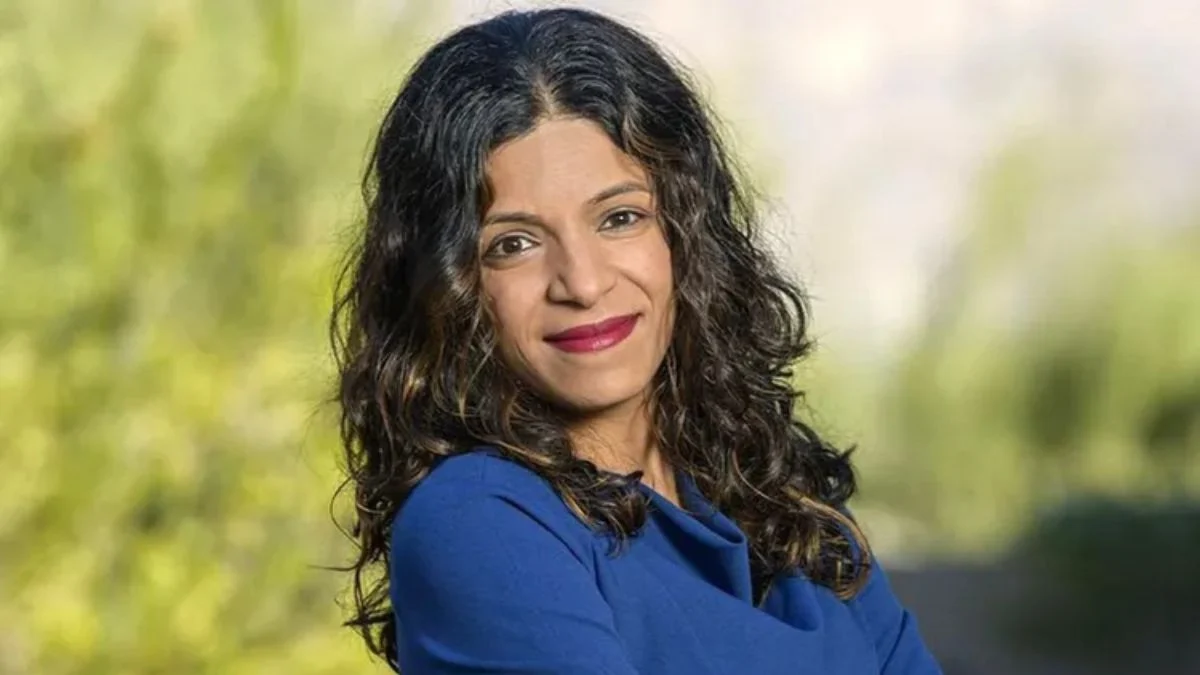
Dr. Rachna Shroff spent her career searching for better treatments for some of the most difficult cancers to treat. But in 2026, the internationally recognised gastrointestinal oncologist faced an unexpected diagnosis of her own, forcing her to confront the disease she had dedicated her professional life to fighting.
Even as her health declined, Shroff remained focused on the future of cancer research. Her final months brought renewed attention to her work, her commitment to young investigators and a fundraising campaign designed to ensure that progress in biliary cancer research would continue beyond her lifetime.
Who Was Dr. Rachna Shroff? A Leading Cancer Researcher
Dr. Rachna Shroff was a physician-scientist known internationally for her research into pancreatic and biliary tract cancers. At the University of Arizona College of Medicine – Tucson, she served as chief of the Division of Hematology and Oncology and associate director of clinical investigations at the University of Arizona Cancer Center.
Her other leadership positions included inaugural John F. and Valli S. Duval Endowed Professor for Gastrointestinal Oncology, associate dean for clinical and translational research, and medical director of the Oncology Service Line at Banner – University Medicine. She also co-led the Gastrointestinal Clinical Research Team at the University of Arizona Cancer Center.
During her career, Shroff authored more than 80 publications and participated in more than 130 professional engagements. Her work concentrated on developing clinical trials and new treatments for pancreatic and hepatobiliary cancers, including cholangiocarcinoma, a cancer of the bile ducts.
The University of Arizona said she became internationally recognised for her contributions to cholangiocarcinoma research. When she entered the field, treatment options were extremely limited. Clinical trials led by Shroff and other researchers subsequently helped contribute to major advances.
She also held significant national positions in oncology, including co-chair of the Hepatobiliary Subcommittee for the Southwest Oncology Group. In 2024, she chaired the ASCO Gastrointestinal Cancers Symposium.
Advances in Cancer Treatment
Research into new cancer treatments can involve innovative approaches as well as clinical trials, including work in veterinary medicine. For another report on an emerging cancer treatment, see our Chester Zoo python cancer treatment report.
Dr. Rachna Shroff Dies at 47 After an Aggressive Cancer Diagnosis
Shroff died on October 11, 2026, aged 47, after battling an aggressive, life-limiting cancer.
Her diagnosis came earlier that year after she noticed a swollen lymph node. She initially underwent evaluation for suspected lymphoma, but further testing revealed cancer of unknown primary.
According to reporting by The Cancer Letter, Shroff began thinking about the legacy she wanted to leave behind after learning of her illness. The available information identifies her condition as cancer of unknown primary; it does not establish the stomach or intestine as the definitive original site.
The diagnosis was especially personal for a physician whose career had centred on improving treatment options for people with challenging gastrointestinal and hepatobiliary cancers.
Yet Shroff continued to advocate for clinical research and access to experimental treatments. Her commitment was reflected in an earlier interview referenced by the American Society of Clinical Oncology (ASCO), in which she explained the responsibility doctors have to make clinical trials available to patients.
“it is our role and responsibility to have clinical trials available to the patients that come to see us and to ideally have a trial available to every single patient that walks through the door, to be able to offer them something cutting-edge, different, and innovative.”
That belief remained central to her work even after she became a patient herself.
The $1.35 Million Cancer Research Award She Wanted to Secure
One of the most significant achievements of Shroff’s final months was the establishment of the Conquer Cancer – Rachna Shroff, MD, MS, FASCO Endowed Young Investigator Award in Biliary Cancers.
Shroff had previously received a Conquer Cancer Young Investigator Award early in her career. She described the funding as a crucial source of support for her academic research, giving her firsthand experience of how early-career awards can help promising investigators develop their work.
After her diagnosis, she set an ambitious target: raising $1.35 million to permanently endow a new award supporting researchers investigating biliary cancers.
The campaign attracted more than 600 donors, including colleagues, patients, advocates, industry partners, friends and members of the wider oncology community. Together, they surpassed the fundraising target within weeks, completing the endowment before her death.
According to Conquer Cancer, the permanent fund will support a new researcher every year in perpetuity, helping future investigators pursue research into biliary cancers.
Shroff explained why completing the project had become particularly urgent following her diagnosis:
“Because of my health, I have a profound desire to see this endowment come to fruition now. I want nothing more than to celebrate this milestone with you and witness our community coming together to ensure this vital work carries forward,”
She also described the research that had driven her professional life:
“My absolute greatest passion has been advancing cancer research—particularly in biliary tract cancers—and supporting the brilliant young minds dedicated to finding cures,”
The Cancer Letter reported that her own experience with aggressive disease had “only sharpened my focus on what matters most.”
The speed and scale of the fundraising effort reflected the support Shroff had built throughout the oncology community.
“The pace at which this endowment came together is unprecedented and it is because of Dr. Shroff and what she means to us,” said Deanna van Gestel, a Conquer Cancer board member and founder and CEO of Vaniam Group.
How Shroff Helped Advance Treatment for Biliary Cancers
Shroff’s legacy extended beyond her publications and leadership roles. At the University of Arizona Cancer Center, she helped build a gastrointestinal oncology programme and expand access to clinical trials for patients in Southern Arizona.
Her research focused on cancers that historically had limited treatment options and received less research attention than some other major cancers.
Cholangiocarcinoma became a particularly important part of her work. The University of Arizona said that when Shroff began focusing more heavily on bile duct cancer, treatment options were scarce and no FDA-approved therapies were specifically available for the disease.
The field subsequently changed significantly, with Shroff serving as principal investigator on landmark clinical trials. She also worked on immunological therapies and novel drug treatments for pancreatic and hepatobiliary cancers.
Her contribution combined scientific research with practical efforts to give patients access to emerging treatments. Clinical trials were central to that approach, offering a route towards testing new therapies and expanding the evidence available to doctors treating difficult cancers.
Her National Leadership and Mentorship
Shroff also made a substantial contribution to ASCO, the professional organisation for clinical oncology.
She participated in its Leadership Development Program, served on its Nominating Committee, chaired the Cancer Communications Committee and contributed to committees and programmes connected with gastrointestinal cancers. She also mentored younger oncology professionals through ASCO’s educational and mentoring initiatives.
In an earlier interview, she described the importance of the organisation to her career:
“ASCO has been so integral in my development as a leader and as an oncologist… [It] is, in my opinion, the best professional society that I’ve ever had the pleasure of working with…. [My] favorite time of day, I always say, is whenever I’m doing something for ASCO.”
Her colleagues remembered her not only for her scientific achievements but also for the support she offered to patients, fellow researchers and younger doctors.
Dan Theodorescu, director of the University of Arizona Cancer Center, described her as:
“a brilliant oncologist, a dedicated clinical researcher, and a compassionate pillar of our community at the University of Arizona Comprehensive Cancer Center.”
Steve Tulk of the Vaniam Group highlighted how her work had helped change the landscape of biliary cancer research:
“Dr. Rachna Shroff built her career in pancreatic and biliary cancers, and she took on biliary back when there was almost nothing to offer the people who had it. She ran the trials. She trained the researchers who will keep running them. She helped change what a diagnosis in this disease means,”
“Be the Sunshine”: The Personal Philosophy Behind Her Work
Shroff’s approach to life and medicine was captured in a personal motto she shared in a 2024 ASCO Connection interview:
“If you can’t find the sunshine, be the sunshine.”
ASCO later highlighted the saying in its tribute, noting that Shroff continued trying to “be the sunshine” for others even after her diagnosis.
Her colleagues’ descriptions of her as a mentor and a compassionate presence reflected that philosophy. Her work was not limited to developing treatments; it also involved supporting the people who would carry research forward and helping patients navigate difficult circumstances.
Dr. Rachna Shroff’s Family and Final Months
Away from her professional responsibilities, Shroff was a wife and mother. She is survived by her husband, Dr. Puneet Shroff, their children, Simran and Sachin, her parents, Devendar Trivedi and Dr. Amita Trivedi, and her sister, Neema Sahni.
She and Puneet were approaching their 20th wedding anniversary when she died.
During the final months of her life, Shroff continued making time for her children, joining her daughter on college visits and attending her son’s baseball games.
Her daughter, Simran, spoke about the determination she admired in her mother:
“Her tenacity … all she does is she pushes through whatever, and she figures out how to do it and how to be successful personally and professionally, and I really admire that,”
Her son, Sachin, offered a simple description of the quality he valued most:
“I would probably say just how loving she is.”
Shroff also credited her husband with helping her face the diagnosis and continue moving forward.
“Puneet has been the reason I’ve marched forward. And his ability to understand my vantage point, and his ability… to just stand by my side.”
Puneet reflected on how quickly their circumstances had changed after the diagnosis:
“To have no cares, so to speak, in the world, and then all of them at your feet all at once, that’s both overwhelming,”
He added:
“But it also teaches you resilience, and I hope that teaches our children resilience. I hope, for Rachna’s sake, it gives her strength, courage.”
From a Tucson Student to an Internationally Recognised Oncologist
Shroff’s interest in cancer research began long before she became a leading figure in gastrointestinal oncology.
As a high school student in Tucson, she won the 1993 Osler Fellowship, which allowed her to work in the laboratory of Margaret Briehl, a University of Arizona Cancer Center member and College of Medicine – Tucson professor.
She later earned a bachelor’s degree in biochemistry from Brown University and a medical degree from Thomas Jefferson University’s Sidney Kimmel Medical College.
After completing her medical oncology fellowship at MD Anderson Cancer Center in 2010, she remained there as an associate professor of gastrointestinal medical oncology until returning to Arizona in 2018. Her return brought her back to the institution where her interest in cancer research had first developed.
Theodorescu and other colleagues recognised the combination of clinical care, research and mentorship that defined her career. The University of Arizona described her as a clinician-scientist who remained focused on the human impact of medical research.
Remembering a Young Pokémon Fan
Memorial stories also document the lives and personal milestones of people whose communities remember them after their deaths. For a separate tribute, see our Avery the Poke Kid tribute report.
Conclusion: A Cancer Research Legacy That Will Continue
Dr. Rachna Shroff’s death on October 11, 2026, at 47 marked the loss of a prominent gastrointestinal oncologist whose work helped advance research into pancreatic and biliary tract cancers.
Her research, clinical programmes and mentorship will continue to influence the oncology community. The $1.35 million endowed young investigator award she fought to establish will also provide continuing support for researchers working towards better treatments for biliary cancers.
For Shroff, advancing cancer research meant creating more possibilities for future patients. The award secured during her final months ensures that the work she championed can continue long after her death.
Source and Research Disclaimer
This article has been prepared using research based on the sources listed below, including official statements from the University of Arizona, ASCO, Conquer Cancer, the Association of American Cancer Institutes and reporting by The Cancer Letter. It reflects information available in those materials at the time of writing and does not imply independent verification beyond the sources provided.
Sources
- University of Arizona: In Memoriam – Dr. Rachna Shroff
- University of Arizona College of Medicine – Dr. Rachna Shroff Profile
- University of Arizona Cancer Center: Celebrating the Life and Legacy of Dr. Rachna Shroff
- American Society of Clinical Oncology: ASCO Remembers Dr. Rachna T. Shroff
- Conquer Cancer: Rachna Shroff Endowed Young Investigator Award
- The Cancer Letter: Oncologist Rachna Shroff Endows Award to Outlast Her Cancer Diagnosis
- The Cancer Letter: Rachna Shroff, Accomplished GI Oncologist and “Tireless Mentor,” Dies at 47
- Association of American Cancer Institutes: Honoring Dr. Rachna Shroff Through a New Young Investigator Award in Biliary Cancer
Featured Image Credit: The University of Arizona College of Medicine


Leave a Reply