

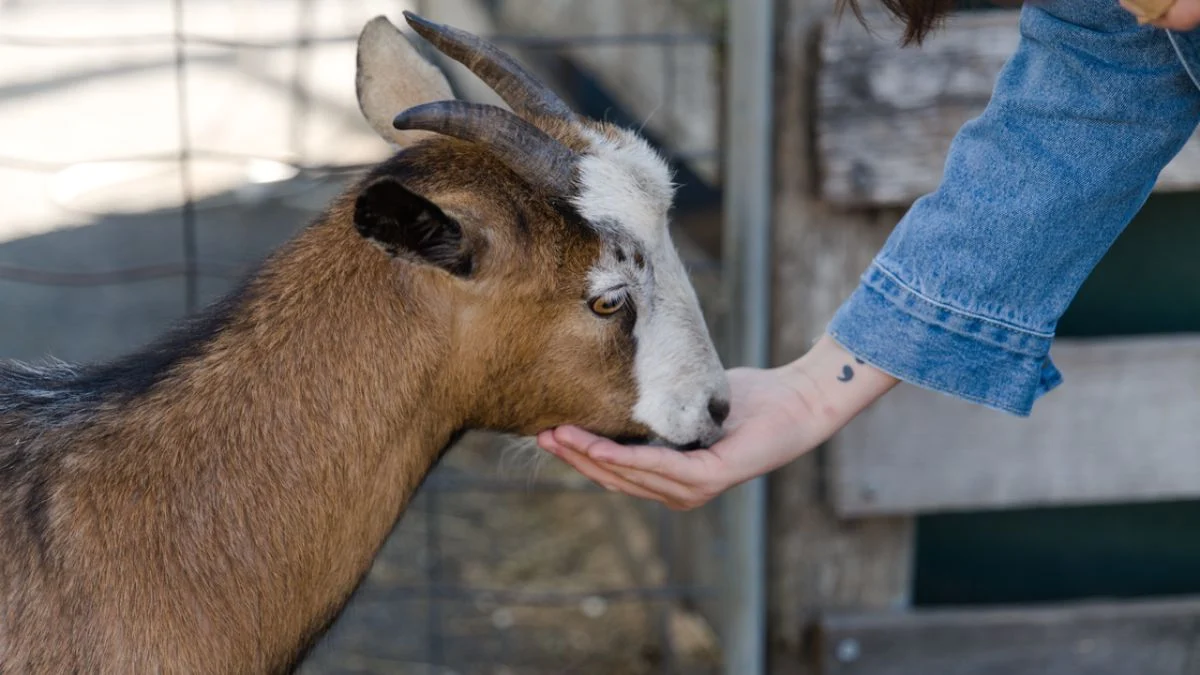
A family gathering in Durham, North Carolina, has turned into part of a much larger rabies investigation after three baby goats from a mobile petting zoo tested positive for the deadly virus. The animals had travelled to multiple events across the state, raising concerns that people who handled them may have been exposed without knowing it.
Health officials are now urging anyone who had qualifying contact with the goats between July 28 and August 27, 2026, to contact their local health department for an individual risk assessment. Importantly, simply attending an affected event does not automatically mean someone needs rabies treatment.
More Community Safety Stories: Public awareness around unexpected local incidents is playing out in more than one community this week. For more, read our story on Jack Doherty’s second Florida arrest on a domestic battery charge after police responded to a Fort Lauderdale dispute.
How Did Baby Goats at a Mobile Petting Zoo Get Rabies?
The investigation began on August 27, when health and agriculture officials were notified about a potential rabies exposure involving four baby goats at Farm Adventures, a mobile petting zoo based in Iredell County and located in Harmony, North Carolina.
Investigators believe the goats were exposed after a skunk entered their enclosure in late July.
Laboratory testing by the North Carolina State Laboratory of Public Health confirmed rabies virus in three of the goats on August 28. The fourth goat was not tested but was presumed to have been infected based on the circumstances.
All four goats were euthanized following the investigation.
Farm Adventures said the goats were too young to receive rabies vaccinations and had been kept in a separate enclosure. According to information provided during the investigation, a skunk entered that enclosure and exposed the animals to rabies.
The concern quickly grew because these weren’t animals that stayed in one location. The goats had attended multiple public and private events across North Carolina during the period when they may have been infectious.
NCDHHS identified potential exposure events in Durham, Iredell, Davidson, Davie, Watauga, Burke and Mecklenburg counties, while noting that the investigation remains ongoing and additional locations could be identified.
More Environmental Warnings: Unexpected risks tied to shared spaces are drawing attention in other parts of the world too. For more, check out our story on the new environmental warning for Everest Base Camp as human activity adds heat to the glacier.
North Carolina Rabies Exposure Dates: July 28 Through August 27
The official NCDHHS exposure window is July 28 through August 27, 2026.
Several events have already been identified as locations where the affected goats were present:
| Date | Event/Location | County |
| July 28 | Jurney’s Assisted Living, Statesville | Iredell |
| July 30 | Private event | Mecklenburg |
| August 1 | Community Connections Back-to-School Bash at Breeden Amphitheater, Lexington | Davidson |
| August 6 | Brookdale Peachtree, Statesville | Iredell |
| August 8 | Private event | Watauga |
| August 9 | Private event | Burke |
| August 15 | Masonic Picnic Grounds, Mocksville | Davie |
| August 16 | Private event | Durham |
| August 22 | Private event | Iredell |
| August 23 | Private event | Durham |
One detail has caused some confusion online.
A Durham family that later shared its experience on TikTok urged people who attended Farm Adventures events between July 27 and August 28 to contact their local health departments. However, those dates were different from the official state exposure window.
NCDHHS has identified July 28 through August 27, 2026, as the relevant exposure period.
More Tourist Safety Updates: Safety concerns tied to popular destinations are making headlines beyond North Carolina too. For more, dive into our story on Rome’s Colosseum becoming a “red zone” and what the new security crackdown means for tourists in 2026.
Durham Family Reveals What Happened After Their Petting Zoo Event
The investigation gained major attention after a Durham family shared its experience on TikTok.
Taty, who posts under the username @tatyyv, uploaded footage showing her husband receiving a rabies vaccination. The video went viral and accumulated millions of views.
The family said their gathering took place on August 16 in Durham, after they had hired the mobile petting zoo for a family event.
“Our event was August 16 in Durham, NC. We later learned about a confirmed rabies investigation involving baby goats from a mobile petting zoo that attended events during that time. We are working with Public Health and sharing this so other potentially affected families can get information.”
The family encouraged relatives, friends and other people who may have interacted with the goats to contact their local health departments.
“If you, your family, friends, or anyone you know attended an event with Farm Adventures in North Carolina between July 27th and August 28th, please contact your local health department ASAP and ask if you may need rabies post-exposure treatment/shots.”
Taty later described the emotional pressure of discovering that a decision intended to create a fun family experience could have potentially exposed relatives and guests.
“It’s been a very overwhelming situation because my husband and I were the ones who hired the petting zoo and in someway feel guilt for exposing the rest of my family and guest to these animals even though we were obviously unaware the goats had been exposed to rabies and there was no way of us knowing beforehand. We were just trying to give our guest and children a great time.”
But contacting everyone who attended the event became another major challenge.
“The most stressful part was communicating with every one of my guests and breaking the news to them and urging them to please seek treatment as I mentioned before. No one had contacted me or any of my guest so we took it upon ourselves to contact everyone and let them know about NCDHHS confirming the rabies.”
The family also said they were among the first people to begin treatment after learning about the investigation.
“We found out we had been one of the first few people to get started on the rabies treatment and the first to come forward telling health officials we had came in contact with the goats.”
Taty said her biggest concern was for people who may have interacted with the goats earlier and still had no idea about the investigation.
“I feel more for the people who were exposed earlier on and could possibly still not know. I’m worried a lot of people were and are still unaware of the exposure and I’m just hoping my social media posts will reach every one who may have came in contact with the goats from farm adventures and contact their local health department and ask about post exposure treatment. I had a couple comments in one of my posts from people who said they went to the petting zoo and did not know about this case until they came across my video!”
More Unusual Viral Discoveries: Not every viral story this week involves a health scare — some are simply strange finds people stumble onto. For more, read our story on Denmark’s biggest Viking silver hoard, uncovered by a backyard terrace project.
Does Everyone Who Attended a Farm Adventures Event Need Rabies Shots?
This is one of the most important points in the entire investigation.
No. Simply attending an affected event does not automatically mean a person needs rabies treatment.
According to NCDHHS guidance, a person may be considered potentially exposed if they had direct contact with an affected goat and infectious saliva or another potentially infectious material entered broken skin or contacted the eyes, nose or mouth.
Officials specifically advise people who held, kissed, hugged, petted or fed the baby goats during the relevant period to contact their local health department.
People should also report if they were bitten or scratched, had an open wound that may have contacted the animals, or had goat saliva enter their eyes, nose or mouth.
If someone had direct contact with a goat but cannot remember whether saliva was involved, they should still explain the circumstances to public-health officials.
Rather than telling every attendee to automatically receive treatment, health officials are conducting individual risk assessments to determine whether rabies post-exposure prophylaxis, known as PEP, is appropriate.
Where possible, NCDHHS encourages potentially exposed people to contact their local health department before going to an emergency department or urgent-care clinic so public-health officials can assess the exposure and provide appropriate guidance.
More Fast-Food Experiments: Not every food-and-animal story this week involves a health scare. For more, check out our story on Burger King’s polarizing Ice Burger and France’s wildest fast-food dessert experiment yet.
What Farm Adventures Said About the Four Goats
Farm Adventures has acknowledged the deaths of the four baby goats following the rabies investigation.
“The affected animals, our four precious baby goats, have been euthanized to prevent further spread,”
The farm added:
“We will be closely monitoring our remaining animals under the guidelines provided by health officials.”
Farm Adventures owner Misty Love also addressed concerns from customers who may have interacted with the goats.
“I care about my community, and I care about my customers. If my customers that saw my animals have questions, I’m going to be there for them.”
The farm said the goats were too young to be vaccinated and had been kept separately from other animals. Investigators believe a skunk entered their enclosure and exposed them to rabies.
More Online Controversy Coverage: Public figures navigating fallout from unexpected incidents is a recurring theme in entertainment news too. For more, read our story on how YouTube’s lawn-care star became the face of the Toy Freaks controversy.
How Can Rabies Spread From an Animal to a Person?
Rabies is a viral disease primarily transmitted through the saliva of an infected animal.
A bite is the most common route of transmission, but an infected animal’s saliva can also transmit rabies if it comes into contact with broken skin or mucous membranes, including the eyes, nose or mouth.
That means remembering whether a goat actually bit someone isn’t enough to determine whether an exposure occurred.
Anyone who handled one of the affected goats should discuss the details with public-health officials rather than trying to calculate their own risk.
More Real-World Debates Sparked by Fiction: Public conversations about risk and behavior show up in unexpected corners of pop culture too. For more, check out our story on the online debate over whether GTA 6’s Jason and Lucia romance system poses a problem for real-life relationships.
Why Rabies Treatment Cannot Wait for Symptoms
Rabies is extremely serious, but it can be prevented after exposure when appropriate treatment is given before symptoms develop.
Once clinical symptoms appear and the virus reaches the central nervous system, rabies is almost invariably fatal.
Early symptoms can include fever, weakness and headache. Some people may also experience unusual sensations such as pain, prickling or burning at the exposure site.
Later stages can involve severe neurological symptoms.
That is why health officials are stressing the same message: people who may have experienced a qualifying exposure should not wait for symptoms before seeking medical guidance.
More Community Safety Stories: Prompt action after an unexpected incident matters across all kinds of public-safety situations. For more, read our story on Jack Doherty’s arrest on a domestic battery charge following a Fort Lauderdale dispute.
What Is Rabies PEP and Who Receives It?
Rabies post-exposure prophylaxis (PEP) is treatment designed to prevent rabies infection following a potentially dangerous exposure.
For someone who has never previously received rabies vaccination, CDC guidance generally includes:
- Immediate wound cleansing
- Human rabies immune globulin
- A series of rabies vaccinations
The exact treatment can depend on a person’s medical history and previous rabies vaccination.
People who have previously completed an appropriate rabies vaccination course receive a different PEP regimen.
Because treatment varies according to individual circumstances, the decision to administer PEP should be made by qualified healthcare or public-health professionals after evaluating the specific exposure.
More Environmental Concerns: Health and environmental risks tied to shared human activity are drawing attention well beyond North Carolina. For more, dive into our story on the new warning about human activity adding heat to the Everest Base Camp glacier.
Is Rabies Common in the United States?
Despite how frightening this investigation sounds, human rabies remains rare in the United States.
The CDC says fewer than 10 human rabies deaths are typically reported in the country each year, while tens of thousands of people receive rabies PEP following potential exposures.
The North Carolina investigation therefore does not mean rabies is widespread among people visiting petting zoos or interacting with farm animals.
Instead, it demonstrates why confirmed exposure situations need to be assessed quickly.
More Tourist Safety Updates: Precautionary measures following an incident are shaping travel plans in more than one part of the world this year. For more, read our story on Rome’s Colosseum becoming a “red zone” ahead of new 2026 security measures.
What Should Anyone Who Visited Farm Adventures Do Now?
Anyone who interacted with Farm Adventures’ baby goats during the official exposure period of July 28 through August 27, 2026, should contact their local health department and explain exactly what happened.
People should be especially clear about whether they:
- Held, hugged, kissed, petted or fed a baby goat
- Were bitten or scratched
- Had an open wound that may have contacted the animals
- Had goat saliva enter their eyes, nose or mouth
- Had direct contact with the animals but are unsure whether saliva was involved
Public-health officials can then determine whether the interaction qualifies as a rabies exposure and whether PEP is necessary.
The viral TikTok posts have helped alert people who may otherwise have remained unaware of the investigation. However, the official guidance from health authorities remains the key source for determining whether an individual needs treatment.
For anyone who may have had qualifying contact, the takeaway is simple: contact your local health department as soon as possible rather than waiting for symptoms.
More Unusual Finds Worth a Second Look: Not every story this week centers on risk and caution. For more, check out our story on Denmark’s largest Viking silver hoard, uncovered during a backyard terrace project.
The Bottom Line on the North Carolina Petting Zoo Rabies Investigation
What began with four baby goats exposed to a rabid skunk has developed into a multi-county public-health investigation after the animals travelled to events across North Carolina.
Three goats were confirmed to have rabies, while a fourth was presumed infected and all four were euthanized. The animals were too young to receive rabies vaccinations, according to Farm Adventures, and had been kept in a separate enclosure.
For families who attended one of the identified events, however, the biggest question isn’t simply whether they were there. It is what contact they had with the goats.
People who held, hugged, kissed, petted or fed the animals, or who may have had saliva contact with broken skin or the eyes, nose or mouth, should contact their local health department for an individual assessment.
The investigation is still ongoing, and additional exposure locations could be identified.
Disclaimer and Sources
This article is for informational purposes only and is not medical advice. Anyone who may have had contact with the affected goats should contact their local health department or a qualified healthcare professional for an individual rabies exposure assessment. Do not wait for symptoms before seeking professional guidance after a potentially significant exposure.
The article is based on research and information provided by the following sources: North Carolina Department of Health and Human Services (NCDHHS); North Carolina Division of Public Health; Centers for Disease Control and Prevention (CDC); World Health Organization (WHO); and BroBible’s original report.
Sources
- North Carolina Department of Health and Human Services — Rabies Investigation
- North Carolina Department of Health and Human Services — Additional Rabies Investigation Details
- North Carolina Division of Public Health — Rabies
- Centers for Disease Control and Prevention — Rabies
- Centers for Disease Control and Prevention — Rabies Post-Exposure Prophylaxis
- World Health Organization — Rabies
- BroBible — Original Report
Featured Image Credit: David Fiddler on Pexels


Leave a Reply