

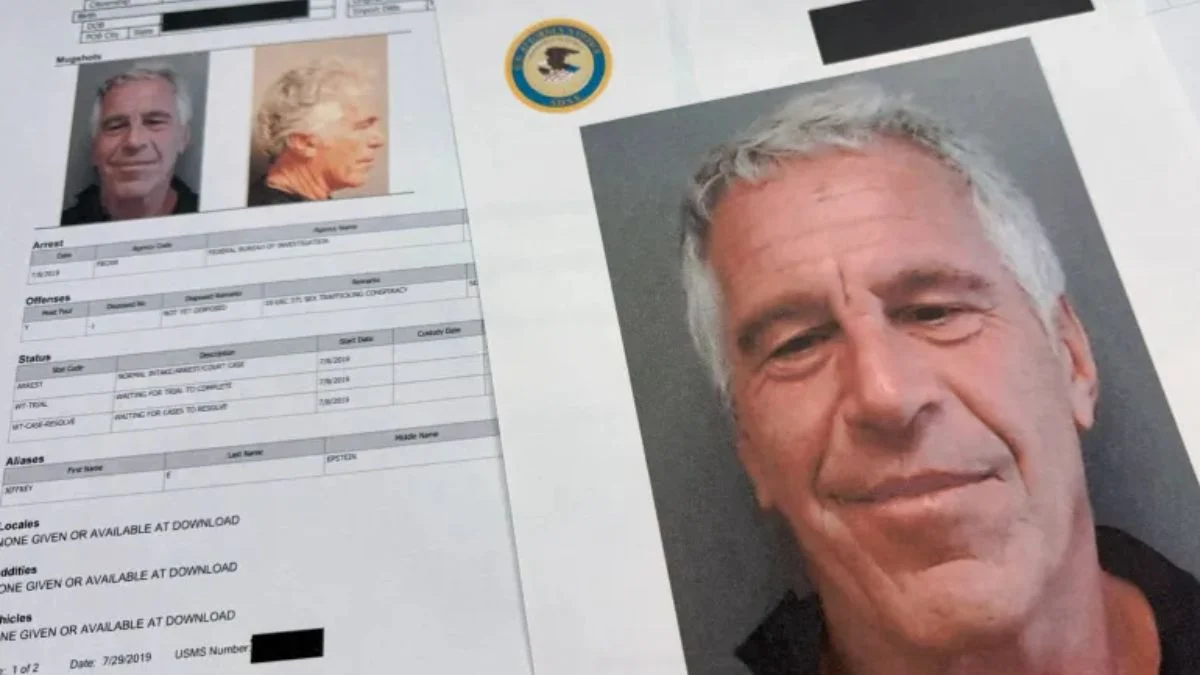
In what has become one of the most explosive document releases in modern American history, the United States Department of Justice recently unleashed over 3 million pages of investigative materials related to the Jeffrey Epstein case. This unprecedented transparency, mandated by the Epstein Files Transparency Act signed into law in November 2025, has reignited public fury, spawned new conspiracy theories, and raised disturbing questions about elite accountability that refuse to fade away.
What began as demands for justice has evolved into a labyrinthine saga of redacted names, protected billionaires, and allegations that reach the highest echelons of power. From former presidents to royal family members, from tech moguls to entertainment executives—the Epstein files have cast a shadow over dozens of prominent figures. Yet, as lawmakers and victims alike point out, the most damning details may still be hidden from public view.
This comprehensive investigation examines the latest revelations, the shocking testimony of Ghislaine Maxwell, the truth behind the mythical ‘client list,’ and why millions of Americans believe the real story has yet to be told.
Read the Entire Series:
Part 1: Jeffrey Epstein Scandal Explained: Why the Case Shook Global Politics, Wealth, and Power
Part 3: Jeffrey Epstein Files 2026: Complete List of Names Released – What the DOJ Documents Really Reveal

The Document Dump That Shook Washington: What’s Actually in the Files

The scale of the Epstein Files release is staggering. Between December 2025 and January 30, 2026, federal authorities released materials that include:
• Over 3.5 million pages of documents from multiple investigations
• Approximately 180,000 photographic images
• More than 2,000 video recordings
• FBI interview transcripts and internal memos
• Email correspondence and travel records
• Grand jury materials and court records
These materials span Epstein’s criminal cases in Florida and New York, the prosecution of his accomplice Ghislaine Maxwell, investigations into his mysterious 2019 death in federal custody, and related FBI operations. The release was not without controversy—deadlines were repeatedly missed, with officials discovering over a million additional documents in late 2025 that necessitated phased rollouts extending into early 2026.
But here’s what has inflamed public opinion: despite the massive volume of documentation, Deputy Attorney General Todd Blanche announced in early 2026 that the files do not warrant any additional criminal charges. This declaration, combined with heavy redactions protecting certain powerful individuals, has fueled accusations of a deliberate cover-up.
The Myth of the Client List: FBI’s Controversial Admission
For years, victims, investigators, and conspiracy theorists have spoken of a legendary ‘client list’—a detailed record of powerful men who allegedly paid Jeffrey Epstein for access to underage girls. The public imagination has run wild with speculation about this document, with many believing it holds the key to prosecuting elite predators who have escaped justice.
The 2026 file releases contained a bombshell revelation: according to FBI officials’ internal notes, no formal client list exists. This contradicts earlier claims made by some officials, including Attorney General Pam Bondi in 2025, who had suggested such documentation was being reviewed.
The FBI’s position is that while Epstein maintained extensive records of contacts, travel logs, and business dealings, there is no evidence of a systematic ledger documenting sexual transactions with minors. Instead, investigators found scattered evidence—emails arranging ‘massages,’ flight manifests, photographs from social events, and victim testimony describing being directed to various men.
This has done little to quell public suspicion. Critics point out that the absence of a ‘client list’ could simply mean Epstein was sophisticated enough not to maintain such incriminating evidence in written form. Podcaster Joe Rogan called the FBI’s handling ‘gaslighting,’ echoing sentiments shared by millions who believe authorities are protecting powerful figures.
Names That Emerged: From Presidents to Princes
While the files lack a definitive client roster, they do contain numerous references to prominent individuals. It’s crucial to note that appearing in these documents does not constitute evidence of wrongdoing—many names surface merely through email correspondence, flight records, or photographs from social events. Nevertheless, the following figures have drawn particular attention:
President Donald Trump
Donald Trump appears frequently throughout the released materials, including in a compilation of unsubstantiated allegations assembled by the FBI in August 2025. Many of these tips remain unverified. Historical documents note a 2006 conversation in which Trump allegedly told a police chief that ‘everyone’ knew about Epstein’s predatory behavior. Trump has consistently denied any wrongdoing and states he ended his friendship with Epstein years before the financier’s arrest, allegedly banning him from Mar-a-Lago after inappropriate behavior toward a staff member.
Elon Musk
The Tesla and SpaceX CEO’s name appears in emails discussing travel arrangements. Musk has categorically denied ever visiting Epstein’s private island or having any deeper involvement beyond casual social interactions.

Former President Bill Clinton
Clinton’s name surfaces multiple times, consistent with previously known information
about his flights on Epstein’s private jet. The 2026 releases contain no new criminal allegations against the former president.
Prince Andrew (Andrew Mountbatten-Windsor)
The Duke of York remains perhaps the most seriously implicated high-profile figure. Newly released photos show him in what some describe as compromising positions, reinforcing long-standing allegations from victim Virginia Giuffre. A 2015 email from Ghislaine Maxwell, now public, appears to confirm the authenticity of the infamous photograph showing Andrew with his arm around the then-17-year-old Giuffre, with Maxwell present in the background.
Giuffre alleged being trafficked to Prince Andrew on three occasions in 2001, including encounters in London, New York, and at Epstein’s private Caribbean island. Andrew has denied all allegations but settled a civil lawsuit with Giuffre in 2022 for an undisclosed sum (reports suggest around £7 million loaned by Queen Elizabeth II). No criminal charges have been filed.
Leslie Wexner
The Victoria’s Secret billionaire was labeled a potential co-conspirator in 2019 FBI documents. Wexner had an extensive business relationship with Epstein, who managed his personal finances and even held power of attorney at one point. Wexner’s name was among those that lawmakers specifically highlighted after viewing unredacted files in February 2026.

Critical Timeline: Epstein Case Key Events
Understanding the Epstein scandal requires tracing decades of alleged crimes, legal failures, and political maneuvering:
| Date/Period | Event |
| 1990s-2000s | Epstein builds extensive network of elite contacts through philanthropy and social events; allegations of abuse begin |
| March 2005 | Palm Beach police launch investigation after 14-year-old reports molestation |
| June 2008 | Epstein sentenced to 18 months under controversial plea deal; serves 13 months in lenient conditions |
| July 6, 2019 | Epstein arrested on federal sex-trafficking charges at Teterboro Airport, New Jersey |
| August 10, 2019 | Epstein found dead in Metropolitan Correctional Center (ruled suicide); conspiracy theories emerge immediately |
| December 2021 | Ghislaine Maxwell convicted on five counts of sex trafficking and conspiracy |
| June 2022 | Maxwell sentenced to 20 years in federal prison |
| November 19, 2025 | President Trump signs Epstein Files Transparency Act into law, mandating release of all investigative materials |
| January 30, 2026 | Major document release: Over 3 million pages, 180,000 images, 2,000 videos made public |
| February 9, 2026 | Ghislaine Maxwell testifies before House Oversight Committee; invokes Fifth Amendment, offers cooperation only for clemency |
Ghislaine Maxwell’s Stunning Testimony Offer: Trading Secrets for Freedom
On February 9, 2026, Ghislaine Maxwell appeared via video link from her federal prison in Texas for a closed-door deposition before the U.S. House Oversight and Government Reform Committee. The session, which lawmakers later described as ‘very disappointing,’ took an extraordinary turn that has sent shockwaves through Washington.
Maxwell invoked her Fifth Amendment right against self-incrimination repeatedly—more than a dozen times in video clips released by Congress. She refused to answer questions about her relationship with Epstein, the crimes committed, potential co-conspirators, or any other substantive matters.
However, through her attorney David Oscar Markus, Maxwell made an unprecedented offer: she would provide ‘full and honest’ testimony—including clearing President Donald Trump and former President Bill Clinton of any wrongdoing—but only if granted clemency by President Trump.
This extraordinary proposition raises troubling questions. Is Maxwell genuinely offering exculpatory information about powerful figures, or is this a calculated gambit to secure her release from a 20-year prison sentence? The timing is certainly suspicious—Maxwell’s habeas corpus petition challenging her conviction is currently pending, and her appeals have been exhausted at both the circuit and Supreme Court levels.
Legal experts note that Maxwell’s position is precarious. At 64 years old and facing two decades behind bars, she has every incentive to negotiate. But her claim that she alone can provide a ‘complete account’ of Epstein’s actions also suggests she may possess information that has never been disclosed—information that could potentially implicate or exonerate numerous individuals.
The Redaction Controversy: Protecting Victims or Shielding the Powerful?
One of the most contentious aspects of the file releases involves redactions—what information was concealed, and why. The pattern that has emerged has infuriated both victims’ advocates and congressional investigators.
On one hand, numerous victims’ names were improperly exposed in some document batches, drawing harsh criticism for privacy violations. Survivors who had been assured of confidentiality suddenly found their identities revealed in publicly accessible files. Families of victims, including those of Virginia Giuffre (who died by suicide in April 2025), condemned the releases as ‘sloppy’ and traumatizing.
On the other hand, the names of powerful alleged co-conspirators and associates were heavily redacted—at least initially. In February 2026, Representatives Ro Khanna and Thomas Massie gained access to unredacted versions and publicly named six men,
including Leslie Wexner, a U.S. billionaire, and a Dubai CEO, accusing the DOJ of improperly shielding ‘powerful’ figures.
Congressman Khanna went further, claiming the files appeared to have been ‘scrubbed’ before release. This allegation—that approximately 50% of records were allegedly withheld—has fueled bipartisan congressional anger and demands for full transparency.
The DOJ later partially unredacted some co-conspirator names, including three individuals beyond Ghislaine Maxwell and Leslie Wexner. However, critics argue this concession came only after intense political pressure and public outcry, raising questions about what the department’s initial intent had been.

Why No New Charges? The Prosecution Gap That Fuels Conspiracy Theories
Perhaps the most frustrating aspect for those seeking justice is the DOJ’s announcement that despite the massive volume of evidence, no new criminal charges will be filed. Deputy Attorney General Todd Blanche stated in early 2026 that the files simply do not support additional prosecutions.
The FBI’s position is that while they found evidence of Epstein sexually abusing underage girls, there is limited proof of a broader trafficking ring that systematically provided victims to third parties. Some allegations exist—victim testimony describing being directed to give massages that turned coercive, instructions from Epstein about encounters with various men—but these have proven difficult to prosecute.
Several factors complicate potential prosecutions: Statute of Limitations issues for incidents from decades ago, high evidentiary standards requiring more than victim testimony alone, the inability to compel testimony from the deceased Epstein, and witness credibility challenges despite trauma experts noting that inconsistencies are common in sexual abuse cases.
This prosecutorial vacuum has created fertile ground for conspiracy theories. If the government possesses 3 million pages of evidence documenting a sex-trafficking operation involving powerful men, the reasoning goes, why has only Ghislaine Maxwell been held accountable? The answer, unsatisfying to many, appears to be that demonstrating criminal culpability in court requires more than social connections and suspicious circumstances.

Conclusion: Justice Delayed, Justice Denied?
The release of over 3 million pages of Epstein-related documents represents unprecedented transparency in a case that has captivated and horrified the American public. Yet transparency alone does not equal accountability.
The files confirm what many had long suspected: Jeffrey Epstein maintained extensive connections to powerful individuals across politics, business, royalty, and academia. They document a systematic operation of abuse targeting vulnerable young women. They reveal investigative failures spanning decades and raise serious questions about the 2008 plea deal that allowed Epstein to continue his predatory behavior.
What they have not done is produce additional criminal consequences for anyone beyond Ghislaine Maxwell, who currently serves 20 years in federal prison. Prince Andrew settled a civil suit with no admission of wrongdoing and no criminal charges. Various businessmen, politicians, and celebrities named in connection with Epstein have denied allegations and remain unprosecuted. The DOJ has declared it will seek no new indictments.
For the hundreds of victims—some of whom were as young as 14 when they were exploited—this outcome feels like justice denied. For a public that watched Epstein die in federal custody under suspicious circumstances before facing trial, questions about elite accountability remain unanswered.
The case has exposed not just individual crimes but systemic failures: law enforcement that ignored early complaints, prosecutors who accepted a sweetheart plea deal, prison officials who failed to prevent a high-profile inmate’s death, and a culture that protects the powerful while silencing the vulnerable.
As congressional investigations continue and more information potentially emerges, the Epstein scandal remains a mirror reflecting profound truths about power, privilege, and justice in America. The question is whether those in positions of authority will finally demonstrate the political will to pursue accountability wherever the evidence leads—or whether this massive document release will ultimately change nothing at all.
The victims deserve better. The American people deserve answers. And Jeffrey Epstein’s legacy should be not just the crimes he committed, but the reforms and accountability that finally prevent such abuses from happening again.


Leave a Reply