

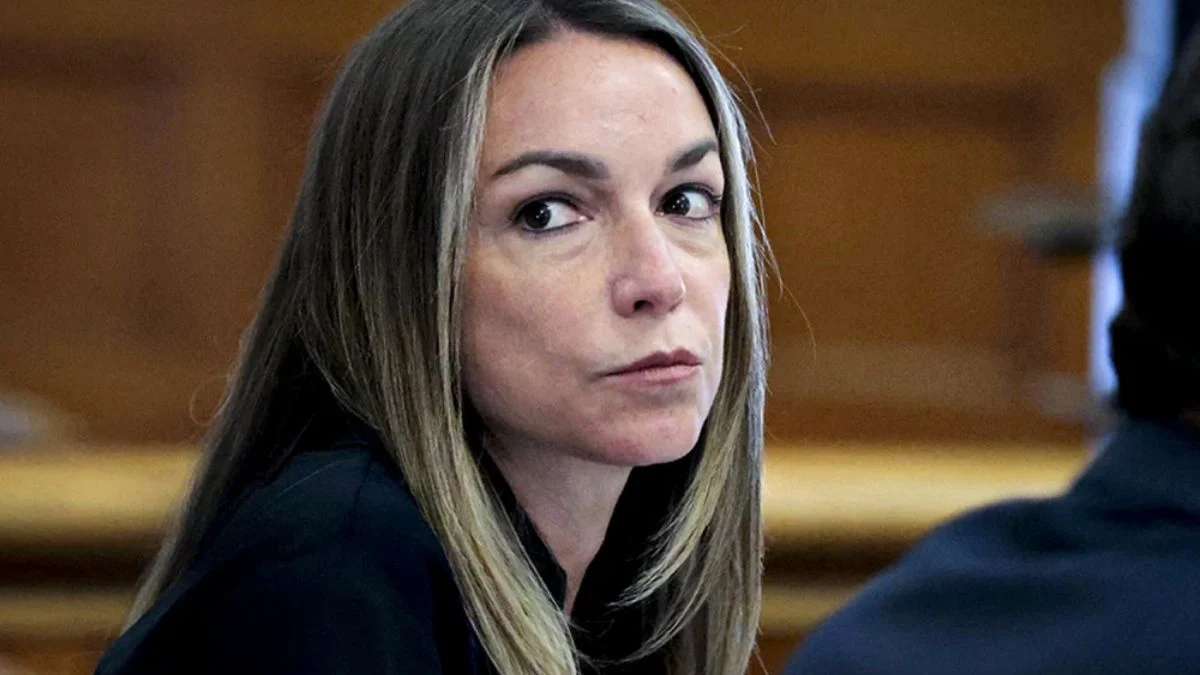
The Karen Read case has become one of the most polarizing and widely discussed true crime stories in recent American history. Blending tragedy, allegations of police corruption, courtroom drama, and intense public scrutiny, the case has inspired protests, documentaries, and now a major Lifetime movie adaptation. What began as the mysterious death of a Boston police officer during a snowstorm evolved into a national debate over justice, accountability, and the integrity of law enforcement investigations.
In This Post:
The Night That Changed Everything: John O’Keefe’s Death in Canton, Massachusetts
In the early hours of January 29, 2022, Boston Police Officer John O’Keefe was found unresponsive in a snowbank outside a home at 34 Fairview Road in Canton, Massachusetts. The property belonged to fellow Boston Police Officer Brian Albert and was the site of an after-party following a night of heavy drinking.
O’Keefe, 46, had been in a two-year relationship with Karen Read, a finance professional and adjunct professor. After reconnecting during the COVID-19 pandemic, the couple had been navigating personal and relationship tensions. That night, Read dropped O’Keefe off at the Albert home during an ongoing blizzard and returned to her own residence.
Hours later, when O’Keefe failed to come home, Read made panicked phone calls to friends Jennifer McCabe and Kerry Roberts. Together, they returned to Fairview Road, where O’Keefe’s body was discovered buried in snow. He was rushed to the hospital and pronounced dead.
An autopsy later revealed blunt force trauma to the head, including skull fractures and abrasions, along with hypothermia as the cause of death. Scratches on O’Keefe’s arm would later become a critical point of dispute, with the defense alleging they were caused by a dog attack inside the house.
Detailed Timeline of the Real Events
The case unfolded over several years, with key milestones as follows:
- January 28-29, 2022: After a night of heavy drinking at bars in Canton, Massachusetts, Karen Read dropped John O’Keefe off at 34 Fairview Road, a home owned by Boston Police Officer Brian Albert, for an after-party. Read left but returned home alone. The next morning, around 6 a.m., O’Keefe was found unresponsive in a snowbank outside the home during a blizzard. He was pronounced dead at the hospital, with an autopsy revealing blunt force trauma to the head (including skull fractures and abrasions) and hypothermia as the cause of death. Scratches on his arm were later attributed by the defense to a dog attack inside the house. Read made panicked phone calls to friends Jennifer McCabe and Kerry Roberts, leading to the discovery of the body. Evidence collected included blood-soaked snow gathered in red Solo cups by Canton Police (not Boston Police, as sometimes misdepicted).
- February 2022: Read was initially arrested on charges of manslaughter, motor vehicle homicide, and leaving the scene of a collision causing death. These were upgraded by a grand jury to second-degree murder, manslaughter while operating under the influence (OUI) of alcohol, and leaving the scene of personal injury and death.
- 2022-2023: Investigations revealed controversies, including deleted phone calls, suspicious “butt dials,” and a SERT (Special Emergency Response Team) search of the Albert home. The defense alleged a cover-up involving the Albert family (including their dog Chloe, a German Shepherd), ATF Agent Brian Higgins, and State Trooper Michael Proctor, who sent derogatory texts about Read (calling her a “whack-job” and commenting on her appearance and accent). Proctor was fired for these messages. The Albert home was sold shortly after, and an FBI probe into the investigation added fuel to conspiracy claims.
- 2024: Read’s first trial ended in a mistrial due to a hung jury. Jurors were reportedly divided, with some later revealing in interviews that they leaned toward acquittal on major charges.
- 2025: Despite appeals to the U.S. Supreme Court citing double jeopardy, a retrial proceeded. On June 18, 2025, Read was found not guilty of second-degree murder, manslaughter while OUI, and leaving the scene, but guilty of OUI alcohol. She received one year of probation and was ordered into an alcohol education program, avoiding jail time. O’Keefe’s family filed a wrongful death civil lawsuit against her.
- January 2026: As of now, Read is on probation, has sold her Mansfield home to cover legal fees exceeding millions, and is staying with friends and family. A hearing in the wrongful death lawsuit was postponed at the last minute on January 6, 2026, due to an unexpected update from lawyers, and rescheduled virtually. She has expressed interest in writing a book but is prioritizing the civil case defense. An upcoming Prime Video series will feature Elizabeth Banks as Read

Early Investigation and Charges Against Karen Read
In February 2022, Karen Read was arrested and charged with manslaughter, motor vehicle homicide, and leaving the scene of a collision causing death. A grand jury later upgraded the charges to second-degree murder, manslaughter while operating under the influence (OUI), and leaving the scene of personal injury and death.
Prosecutors alleged that Read, intoxicated after a night of drinking, struck O’Keefe with her Lexus SUV during a three-point turn and left him to die in the snow. They pointed to broken taillight fragments found at the scene, vehicle data showing reverse acceleration, and voicemails in which Read expressed anger toward O’Keefe.
Read consistently denied responsibility, claiming O’Keefe never made it back outside alive.
Key Players in the Case
| Role | Name | Details |
| Victim | John O’Keefe | 46-year-old Boston Police Officer from Braintree, MA. In a two-year relationship with Read after reconnecting during the COVID-19 pandemic. Raised O’Keefe’s orphaned niece and nephew. |
| Accused | Karen Read | Born 1980 in Virginia, raised in Taunton, MA. Finance professional at Fidelity Investments (fired post-arrest) and adjunct professor at Bentley University. Acquitted of major charges but convicted of OUI. |
| Lead Investigator | Michael Proctor | Massachusetts State Trooper fired for unprofessional texts about Read. Central to defense’s cover-up claims. |
| Witnesses/Alleged Conspirators | Jennifer McCabe, Brian Albert, Chris Albert, Brian Higgins | McCabe (sister-in-law of Albert) testified about the discovery; Albert owned the party house; Higgins (ATF agent) had suspicious communications. Defense alleged they framed Read, involving a dog attack and evidence tampering. |
| Blogger/Advocate | Aidan Kearney (“Turtleboy”) | Ran Turtleboy Daily News, accused of witness intimidation for aggressive reporting and protests. Faces charges but claims First Amendment rights. |
| Defense Team | Alan Jackson, David Yannetti, Elizabeth Little, Robert Alessi | High-profile lawyers who argued frame-up theory. Little and Alessi omitted from movie. |
| Prosecution | Norfolk County DA’s Office | Led by Michael Morrissey; focused on vehicle damage (broken taillight) and Read’s voicemails saying “I hate you.” |
Evidence Controversies and the Birth of a Conspiracy Theory

As the investigation unfolded, numerous irregularities came to light. Canton Police officers collected blood-soaked snow using red Solo cups, an unconventional and widely criticized evidence-handling method. Deleted phone calls, alleged “butt dials,” and inconsistencies in witness timelines raised further questions.
The defense alleged a far-reaching cover-up involving individuals connected to the Albert home, including Brian Albert, his brother Chris Albert, ATF Agent Brian Higgins, and others present at the after-party. They claimed O’Keefe was assaulted inside the house, possibly during a fight, bitten by the family’s German Shepherd, Chloe, and later placed outside to stage a hit-and-run.
Central to these allegations was Massachusetts State Trooper Michael Proctor, the lead investigator. Proctor sent derogatory and unprofessional text messages about Read, calling her a “whack-job” and mocking her appearance and accent. These messages later led to his firing and became a cornerstone of the defense’s argument that the investigation was biased from the start.

The FBI Probe: Federal Scrutiny of Law Enforcement Conduct
Public outrage, media scrutiny, and defense motions eventually prompted a federal investigation. Beginning around 2023–2024, the U.S. Attorney’s Office in Boston, through its Public Corruption Unit, launched an FBI probe into the handling of John O’Keefe’s death.
The federal investigation examined potential evidence tampering, suspicious communications between witnesses, conflicts of interest, and overall investigative integrity. A federal grand jury was convened, and multiple law enforcement officers and witnesses testified.
Defense attorneys credited the FBI with uncovering exculpatory evidence, including expert analysis concluding that O’Keefe’s injuries were inconsistent with being struck by an SUV. However, in February 2025, sources confirmed that the probe had officially ended with no charges filed against law enforcement.
In March 2025, special prosecutor Hank Brennan confirmed in open court that the investigation was closed. Canton Police Chief Helena Rafferty echoed that the probe was no longer active.
Courtroom Drama: Two Trials and a Divided Jury
Karen Read’s first trial in 2024 ended in a mistrial after the jury failed to reach a unanimous verdict. Jurors later revealed they were divided, with several leaning toward acquittal on the most serious charges.
Despite appeals to the U.S. Supreme Court on double jeopardy grounds, a retrial proceeded in 2025. On June 18, 2025, Read was found not guilty of second-degree murder, manslaughter while OUI, and leaving the scene of a fatal accident. However, she was convicted of a lesser charge related to operating under the influence of alcohol.
She was sentenced to one year of probation and ordered to complete an alcohol education program, avoiding jail time. Shortly after, O’Keefe’s family filed a wrongful death civil lawsuit against her.
Life After the Verdict: Where Karen Read Stands in 2026
As of January 2026, Karen Read remains on probation and continues to face the civil lawsuit. She has sold her Mansfield home to help cover legal fees totaling millions of dollars and is currently staying with friends and family.
A hearing in the wrongful death case was postponed at the last minute on January 6, 2026, and rescheduled virtually. Read has publicly expressed interest in writing a book about her experience but has stated that her primary focus remains defending herself in civil court.
From Courtroom to Screen: Accused: The Karen Read Story
The extraordinary nature of the case inspired the 2026 Lifetime movie Accused: The Karen Read Story. Premiering on January 10, 2026, the film stars Katie Cassidy as Read and dramatizes her arrest, trials, and public fight to clear her name.
The movie frames the story as an unrelenting pursuit of justice, highlighting media frenzy, protests, and courtroom battles. While it captures major events, it takes creative liberties to condense years of legal proceedings into a 90-minute narrative.

What the Lifetime Movie Gets Right—and Wrong
The film accurately depicts several key moments, including the panicked phone calls, discovery of O’Keefe’s body, the use of Solo cups for evidence, Proctor’s text messages and firing, and the emotional toll of the trials.
However, it also contains notable inaccuracies and omissions. It incorrectly shows Boston Police collecting evidence instead of Canton Police, downplays controversies surrounding blogger Aidan Kearney (“Turtleboy”), omits certain defense attorneys, and avoids deeper exploration of alleged police misconduct, the dog attack theory, and the full scope of the FBI investigation.
These omissions were widely interpreted as efforts to avoid defamation risks.
Public Reaction, Protests, and Cultural Impact
The Karen Read case deeply divided public opinion. Supporters view her as a victim of a corrupt “blue wall of silence,” while critics believe she bears responsibility for O’Keefe’s death. Protests, billboards, and social media campaigns became a constant presence outside courthouses.
Reactions to the Lifetime movie ranged from praise for Cassidy’s performance to criticism of its low-budget feel and casting choices. Online discourse continues, with speculation about future adaptations, including an upcoming Prime Video series starring Elizabeth Banks.
The Lasting Legacy of the Karen Read Case
Although the FBI probe ended without charges, its existence exposed serious flaws in the state investigation and led to disciplinary consequences, including Proctor’s firing. The case has sparked broader conversations about police accountability, evidence handling, and transparency in officer-involved cases.
Karen Read’s acquittal on major charges reinforced her claims of a flawed investigation, yet the unresolved civil lawsuit ensures that the story is far from over. As legal battles continue and new adaptations emerge, the Karen Read case remains a defining true crime saga of the decade—one that continues to challenge how justice is pursued and portrayed in America.
More Trending Stories:


Leave a Reply