

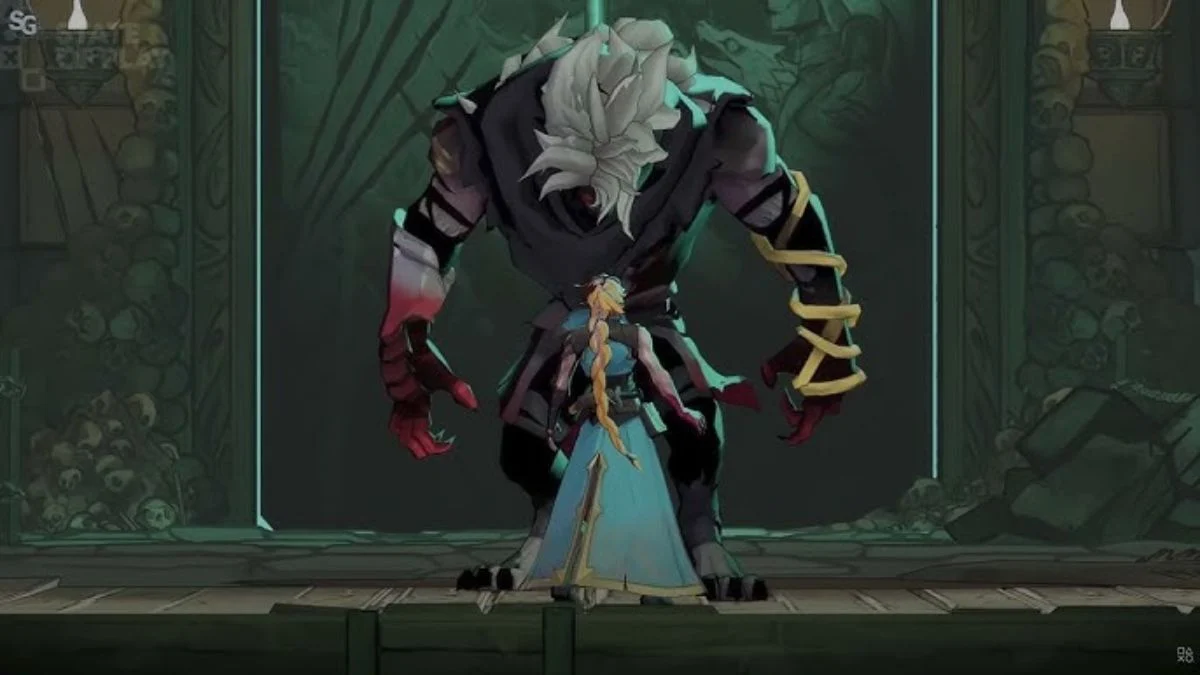
Ready to dive into one of gaming’s most legendary franchises? The Castlevania games span nearly 40 years of vampire hunting, gothic atmosphere, and brutally satisfying gameplay. With Castlevania: Belmont’s Curse arriving in 2026, developed by the Dead Cells creators at Evil Empire and Motion Twin, there’s never been a better time to explore this iconic series. Fans are buzzing on social media after the February 2026 State of Play reveal trailer—check it out for whip-slinging action in besieged Paris! Whether you want release order or chronological timeline order, we’ve got you covered.
Why Play Castlevania Games in Order?
The Castlevania series features two distinct timelines—the main canon timeline and the Lords of Shadow reboot. Understanding how these games connect helps you appreciate recurring characters, family connections across centuries, and how Dracula keeps coming back every hundred years like clockwork. Plus, not every Castlevania game is canon, which complicates things for newcomers.
Main Timeline: Castlevania Games in Chronological Order
If you want to experience the main Castlevania timeline as events actually unfold across centuries, here’s the chronological order:
The Complete Canon Timeline:
- Castlevania: Lament of Innocence (1094) – The very beginning, introducing Leon Belmont
- Castlevania III: Dracula’s Curse (1476) – Trevor Belmont‘s first adventure
- Castlevania: Curse of Darkness (1479) – Hector‘s revenge story
- Castlevania: Belmont’s Curse (1499) – Trevor‘s successor battles in Paris
- Castlevania: The Adventure (1576) – Christopher Belmont debuts
- Castlevania II: Belmont’s Revenge (1591) – Christopher‘s son gets kidnapped
- Castlevania (1691) – Simon Belmont‘s legendary first battle
- Castlevania II: Simon’s Quest (1698) – Simon breaks Dracula‘s curse
- Castlevania: Harmony of Dissonance (1748) – Juste Belmont‘s quest
- Castlevania: Rondo of Blood (1792) – Richter Belmont enters the scene
- Castlevania: Symphony of the Night (1797) – Play as Dracula‘s son, Alucard
- Castlevania: Order of Ecclesia (1800s) – The Belmont Clan vanishes
- Castlevania: Bloodlines (1917) – John Morris stops WWI-related vampire plot
- Castlevania: Portrait of Ruin (1944) – Jonathan Morris during WWII
- Castlevania: Aria of Sorrow (2035) – Soma Cruz in the future
- Castlevania: Dawn of Sorrow (2036) – Direct sequel to Aria

What About Castlevania: Belmont’s Curse?
Castlevania: Belmont’s Curse takes place in 15th century Paris, positioned 23 years after Castlevania III: Dracula’s Curse. You play as Trevor Belmont‘s successor, wielding the legendary Vampire Killer whip. Konami revealed this game during the February 2026 State of Play as part of the series’ 40th anniversary celebration.
Key Features of Belmont’s Curse:
- Developed by Evil Empire (lead) and Motion Twin (co-dev/advisory—the Dead Cells team)
- Enhanced whip mechanics for traversal and aerial combat
- Gothic Paris setting under monster siege
- Releases 2026 on PlayStation 5, Xbox Series X|S, PC, and Nintendo Switch
- Available to wishlist now on all platforms
Castlevania Games in Release Order
Want to experience how the series evolved over 40 years? Here’s the release order starting from 1986:
| Game | Release Year | Highlights |
|---|---|---|
| Castlevania | 1986 | NES classic that started everything |
| Castlevania II: Simon’s Quest | 1987 | Introduced RPG elements |
| Castlevania III: Dracula’s Curse | 1989 | Multiple playable characters |
| Super Castlevania IV | 1991 | SNES reimagining |
| Castlevania: Rondo of Blood | 1993 | PC Engine masterpiece |
| Castlevania: Symphony of the Night | 1997 | Defined Metroidvania genre |
| Castlevania: Aria of Sorrow | 2003 | GBA excellence |
| Castlevania: Lords of Shadow | 2010 | 3D reboot timeline begins |
| Castlevania: Grimoire of Souls | 2019 | Mobile entry |
| Castlevania Dominus Collection | 2024 | Latest compilation release |
| Castlevania: Belmont’s Curse | 2026 | 40th anniversary celebration |
Lords of Shadow Timeline (Separate Reboot)
The Lords of Shadow games exist in their own universe with different lore:
- Castlevania: Lords of Shadow (2010)
- Castlevania: Lords of Shadow – Mirror of Fate (2013)
- Castlevania: Lords of Shadow 2 (2014)
These games feature Gabriel Belmont and eventually reveal he becomes Dracula himself—a massive departure from main timeline lore.
Non-Canon and Spin-Off Games
Several Castlevania games don’t fit either timeline:
- Castlevania Legends (1997) – Completely non-canon
- Castlevania 64 (1999) – Originally canon, later made non-canon
- Castlevania: Circle of the Moon (2001) – Semi-canon status
- Castlevania: Judgement (2008) – Fighting game spin-off
- Castlevania: Harmony of Despair (2010) – Multiplayer spin-off
How to Play Castlevania Games Today
The easiest way to experience classic Castlevania games involves modern collections: Available Collections:
- Castlevania Anniversary Collection – Includes NES and early games
- Castlevania Advance Collection – All three GBA titles
- Castlevania Dominus Collection (2024) – DS games plus Haunted Castle Revisited
- Requiem Collection (PS4/PS5) – Rondo of Blood and Symphony of the Night
These collections bring the classic Castlevania experience to modern platforms with quality-of-life improvements.

What Makes Castlevania Special?
The Castlevania series pioneered the Metroidvania genre alongside Metroid, combining tight platforming, challenging combat, and gothic horror atmosphere. Symphony of the Night particularly revolutionized gaming in 1997, though it initially sold poorly before gaining cult classic status and becoming one of PlayStation‘s rarest games.
The franchise jumps between 2D and 3D repeatedly, balancing console and handheld releases while maintaining quality. Each entry offers brutal difficulty, memorable boss fights, and iconic music that’s influenced gaming for decades.
The Netflix Connection
The Netflix Castlevania animated series draws heavily from the games, particularly Castlevania III: Dracula’s Curse for seasons 1-2, with elements from Symphony of the Night for Alucard‘s backstory. The sequel series, Castlevania: Nocturne, adapts Rondo of Blood and Symphony of the Night.
Frequently Asked Questions
What order should I play Castlevania games in?
For story chronology, start with Lament of Innocence (1094) and follow the timeline through Dawn of Sorrow (2036). For gameplay evolution, play in release order starting with the 1986 original.
When does Castlevania: Belmont’s Curse release?
Castlevania: Belmont’s Curse launches sometime in 2026 for PlayStation 5, Xbox Series X|S, PC, and Nintendo Switch. Wishlisting is currently available on all platforms.
What’s the best Castlevania game to start with?
Most fans recommend Castlevania: Symphony of the Night (1997) as the perfect entry point, combining accessible gameplay with deep mechanics. Alternatively, the Castlevania Advance Collection offers three excellent GBA titles.
Are the Lords of Shadow games connected to the main timeline?
No, Castlevania: Lords of Shadow and its sequels exist in a completely separate reboot timeline with different lore, characters, and story events from the main canon.
Who’s developing Castlevania: Belmont’s Curse?
Konami partnered with Evil Empire (development studio) and Motion Twin (advisory studio)—the teams behind Dead Cells and its brilliant Castlevania expansion—to create Belmont’s Curse for the series’ 40th anniversary.


Leave a Reply