

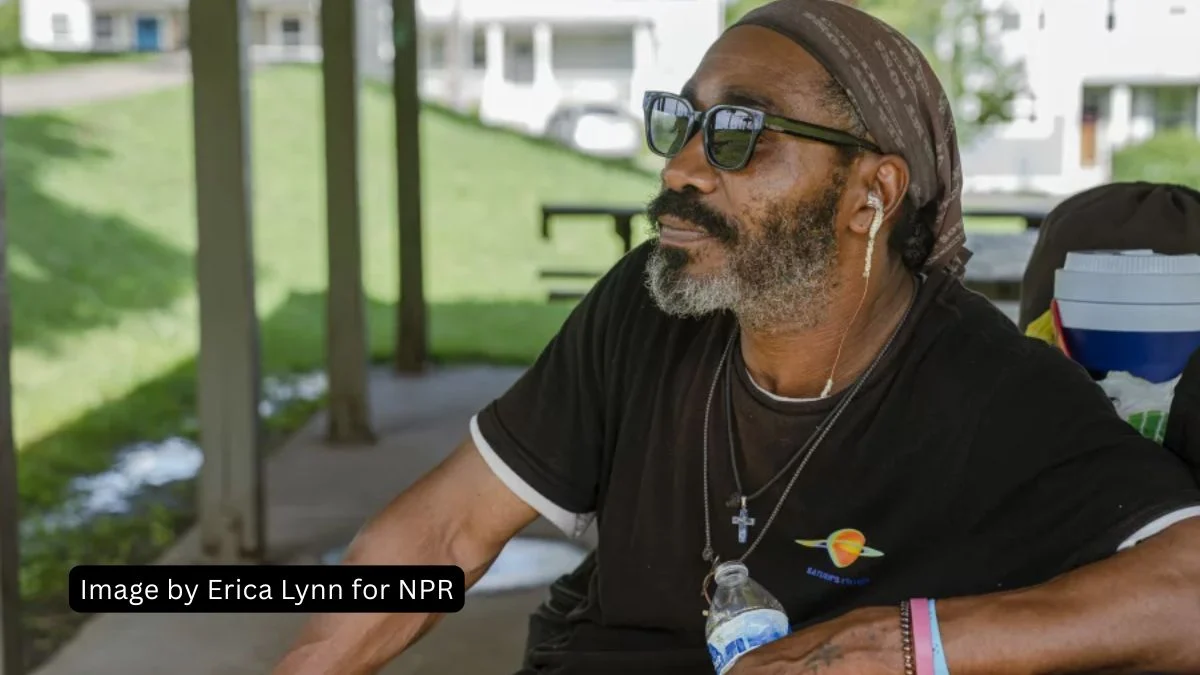
For years, Joseph Lamont Williams had returned to the same public park in East Nashville whenever he had nowhere else to go. But in late June, that familiar routine ended with a stun gun, handcuffs and felony charges under one of the toughest anti-camping laws in the United States.
According to NPR, the 49-year-old became one of only a handful of homeless people in the country to be arrested and charged with a felony simply for camping on public property. Although the felony charges were later dismissed, the case has reignited debate over how cities and states are responding to rising homelessness.

Federal authorities have also recently issued guidance affecting Americans in a very different context. To know more, read our article US State Department Issues Global Travel Warning After Deadly Iran-Linked Attack: What Americans Abroad Need to Know
Tennessee’s felony camping law puts homeless man behind bars

Williams was arrested on June 28 after police found him staying in a public park in East Nashville, where he had been sleeping for several years. Court records show prosecutors charged him with two felony counts of camping on state property and one misdemeanor count of evading arrest after police said he attempted to flee when officers arrived with a warrant. Williams said he was tased during the arrest.
The maximum penalty for felony camping in Tennessee is six years in prison, making it the only state where sleeping on public property can be prosecuted as a felony.
During the legal proceedings, Williams ultimately pleaded guilty to the misdemeanor charge. Prosecutors agreed to dismiss the felony counts as part of the plea agreement, and he was released after spending nine days in jail.
| Detail | Information |
| Name | Joseph Lamont Williams |
| Age | 49 |
| Arrest Date | June 28, 2026 |
| Location | East Nashville, Tennessee |
| Charges | Two felony camping charges, one misdemeanor evading arrest |
| Time in Jail | Nine days |
| Outcome | Felony charges dismissed; misdemeanor resolved with time served |

A widely sold home appliance has also recently prompted a serious safety warning of its own. To know more, read our article Urgent Vornado Heater Recall: Costco and Amazon Shoppers Warned to Check Their Homes as Fire and Electric Shock Risks Emerge
Why the case has become part of a larger homelessness debate
Eleven states have introduced homeless camping bans over the past four years, while more than 300 municipalities have adopted similar restrictions since the U.S. Supreme Court ruled that cities can prohibit sleeping and camping on public property.
Supporters argue such laws encourage people to seek shelter and allow authorities to keep public spaces safe. Critics, however, say criminalizing homelessness creates additional barriers to finding employment and permanent housing.
Lindsey Krinks, co-founder of Open Table Nashville, told NPR that the arrest reflects a broader trend of pushing unhoused residents out of public spaces. She argued that using police and jail to address homelessness only deepens the crisis and strips people of dignity and independence.
Meanwhile, Devon Kurtz of the conservative Cicero Institute, which has influenced anti-camping legislation in several states, defended the approach. He said the goal is not to imprison homeless individuals but to give law enforcement tools that can sometimes save lives while clearing unsafe encampments.

A separate clothing recall has also raised concerns for shoppers this year over a different kind of safety hazard. To know more, read our article Madewell Sweater Recall 2026: Could This Clothing Item in Your Wardrobe Pose a Serious Burn Risk? What US Shoppers Need to Know
After release, Williams returned to the same park
Despite spending more than a week in jail, Williams asked retired social worker John Lozier, who has befriended him over the years, to drive him back to the same East Nashville park immediately after his release.
Williams has previously been offered shelter and assistance but says he does not trust service providers and wants to remain in the neighborhood where he grew up. His former public housing complex still overlooks the park, though no one lives there anymore.
Some nearby residents, including homeowner Alex Bilbrey, have complained about drug activity and public disturbances around the park, while others believe support services—not arrests—should be the priority.

Financial security in old age has also become a growing concern for millions of Americans on a completely different front. To know more, read our article Social Security Benefits Could Drop by 22% in 2032: Why a Typical Retired Couple May Lose $16,900 a Year Without Congressional Action
As homelessness in Nashville continues to rise, Williams’ case has become a powerful example of the growing national conflict between public safety policies and the realities faced by people with nowhere else to sleep. According to NPR, after returning to the park, Williams simply resumed the routine he knew best—walking the neighborhood, meeting Lozier for breakfast, and spending his nights under the same picnic pavilion where the legal battle began.


Leave a Reply