

Introduction: The Smize Era Meets Its Reckoning
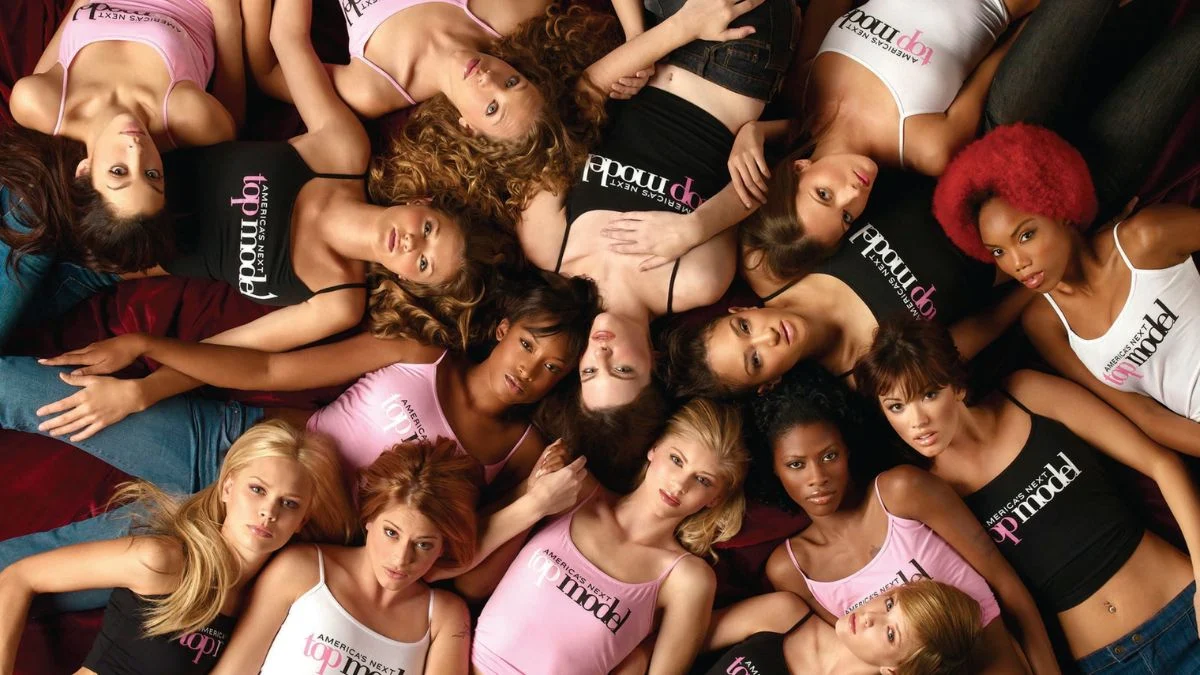
For nearly two decades, America’s Next Top Model (ANTM) wasn’t just a reality show—it was a cultural movement. It gave the world iconic catchphrases, viral moments, and a behind-the-scenes look into the fashion industry that millions had never seen before. But in February 2026, Netflix’s three-part docuseries Reality Check: Inside America’s Next Top Model shattered the nostalgia and replaced it with something far more unsettling: a brutal reexamination of reality TV’s ethics and Tyra Banks’ legacy.
Released on February 16, 2026, the series instantly trended across Netflix, X (Twitter), and entertainment media, sparking intense debate, outrage, memes, and renewed calls for accountability in unscripted television.
The Rise and Influence of America’s Next Top Model
Launched in 2003, America’s Next Top Model ran for 24 cycles until 2018, reaching more than 100 million global viewers at its peak. Created and hosted by Tyra Banks, the series transformed aspiring models into household names and coined pop-culture staples like “smize” (smiling with your eyes).
The show was praised for pushing diversity in fashion—casting plus-size models, contestants of color, LGBTQ+ participants, and those from working-class backgrounds. But as the docuseries reveals, that diversity often came with damaging consequences.

What Is Reality Check: Inside America’s Next Top Model?
The Netflix docuseries serves as a retrospective exposé on ANTM’s production culture. It blends archival footage, frenetic TikTok-style editing, and in-depth interviews with:
- Tyra Banks (four-hour interview)
- Judges and creative team members Jay Manuel, J. Alexander (Miss J), and Nigel Barker
- Co-creator and executive producer Ken Mok
- Former contestants including Shandi Sullivan, Dani Evans, Giselle Samson, Keenyah Hill, Tiffany Richardson, Whitney Thompson, and Dionne Walters
- Anonymous TikTok critics and cultural commentators
The result is a layered, confrontational narrative that revisits iconic moments while exposing the long-term trauma experienced by contestants.
Critical Reception: Praise, Rage, and Brutal Accountability
Critics have largely praised the series for its unprecedented access and honesty—while also calling it uneven and sometimes rage-bait.
- The Guardian described Tyra Banks as a “real piece of work,” accusing her of evading responsibility and blaming viewers.
- NPR highlighted her contradictions as a diversity pioneer who simultaneously deflected blame onto industry standards.
- The Hollywood Reporter and TheWrap documented jaw-dropping revelations from participants.
- The Cut argued Banks “isn’t sorry enough.”
- Rotten Tomatoes shows early positive critical buzz for transparency and access.
The overwhelming consensus: the docuseries holds Banks accountable—but also exposes how deeply flawed the system always was.
Viral Public Reaction: Social Media Explodes
Within 24 hours of release, the series dominated online discourse. Verified trending reactions include:
- Massive criticism of Banks as “narcissistic” and “not sorry for shit.”
- Viral memes revisiting her infamous tirades.
- Sympathy for contestants and judges like Miss J.
- Some defenders arguing it was “a different time,” though backlash remains dominant.
- Banks teasing a potential Cycle 25 reignited controversy and eye-rolls.

The Most Shocking Revelations From the Docuseries
1. Miss J’s Stroke and Tyra’s Absence
Miss J Alexander revealed suffering a stroke in 2022, spending five weeks in a coma and now unable to walk unaided. Jay Manuel and Nigel Barker visited him—but Tyra Banks did not, despite knowing him since she was 16.
2. The Tiffany Richardson Meltdown Was Worse Than Viewers Saw
Tyra’s viral “I was rooting for you!” rant was only part of the story. Jay Manuel revealed Banks said far worse off-camera, frightened the crew, and required lawyers to intervene.
3. Shandi Sullivan’s Milan Incident
Shandi described being intoxicated, blacking out, repeatedly asking to leave, and production refusing. The episode was aired as a cheating scandal instead of addressing possible assault.
4. Dani Evans and the Tooth Gap Controversy
Cycle 6 winner Dani Evans was pressured to close her natural tooth gap or risk elimination, while a later white contestant was encouraged to widen hers. Banks apologized, but Evans said it was exploitation for TV.
5. Body-Shaming and Weight Obsession
Contestants were weighed on camera, called derogatory names, denied fitting clothes, and mocked for their bodies—even when they were extremely thin by mainstream standards.
6. Racial Insensitivity and Trauma Exploitation
The show featured blackface, yellowface, racial stereotyping, and forced trauma reenactments. Dionne Walters was posed in a bullet-wound crime scene despite her mother being shot and paralyzed.
7. Keenyah Hill’s On-Set Groping
A male model groped Keenyah Hill during filming. Her discomfort was edited as being “unprofessional.” Banks later apologized publicly.
8. Jay Manuel’s Psychological Isolation
After criticizing race-swapping and other issues, Manuel was iced out by Banks and felt the show was “chipping away at his soul.”
9. Judge Firings and Show Decline
Network pressure led to the firing of Miss J, Jay, and Nigel to “refresh” the show, contributing to ratings decline and internal conflict.
10–14. Additional Verified Revelations
- Early network resistance to diversity casting.
- Homophobic fan mail targeting gay judges.
- Producers encouraged arguments and drama.
- Banks knew the show hurt contestants’ careers.
- Vulnerable situations were treated as “documentary fodder” without safeguards.
Timeline Table: Key Verified Events
| Year / Cycle | Event | Key Names Involved | Official / Verified Details |
| 2003 | ANTM Launch | Tyra Banks | Show begins with Cycle 1 |
| 2005 | Tiffany Richardson Meltdown | Tyra Banks, Tiffany Richardson | Viral rant, off-camera escalation |
| 2006 | Dani Evans Tooth Gap Controversy | Tyra Banks, Dani Evans | Pressure to close gap |
| 2004–2010s | Body-Shaming & Race-Swapping Shoots | Multiple contestants | Publicly aired content |
| 2018 | ANTM Ends | Tyra Banks | Cycle 24 finale |
| 2022 | Miss J Stroke | J. Alexander | Five-week coma |
| Feb 16, 2026 | Reality Check Released | Netflix | All episodes dropped |
| Feb 17, 2026 | Trending Backlash | Global viewers | Viral criticism & memes |
Tyra Banks’ Accountability Problem
Banks does admit some mistakes—apologizing for the Tiffany meltdown, Dani Evans controversy, and Keenyah Hill’s treatment. However, the docuseries reveals a pattern of deflection:
- Blaming viewers for demanding drama
- Blaming networks and industry standards
- Framing herself as a benevolent mentor
- Teasing a return to the franchise despite backlash
Critics argue this makes her appear defensive, self-mythologizing, and unwilling to fully accept responsibility.
The Legacy of ANTM: Cultural Impact vs. Personal Cost
America’s Next Top Model undeniably expanded representation in fashion. But the docuseries shows that diversity often came with humiliation, exploitation, and long-term trauma for contestants.
Many participants struggled with eating disorders, self-image issues, and damaged careers. While the show promised dreams, it often delivered emotional scars.

Why This Docuseries Matters Now
Reality Check arrives during a global reckoning with reality TV ethics. As audiences revisit early 2000s shows through modern lenses, the “Wild West” era of unscripted television looks increasingly unethical.
The series sparks questions about:
- Consent and exploitation
- Mental health protections
- Power dynamics in entertainment
- Media accountability
Final Thoughts: A Reckoning That Makes Tyra Look Worse
Ironically, many viewers say the docuseries makes Tyra Banks look worse than past scandals. By letting her speak freely while surrounding her statements with contradictory testimony, the series exposes the gap between intention and impact.
As of February 17, 2026, Reality Check: Inside America’s Next Top Model is dominating cultural conversation, sparking debates, memes, and renewed scrutiny of reality television’s legacy. Whether it leads to real accountability—or simply becomes another viral moment—remains to be seen.
One thing is certain: the era of unquestioned reality TV power is over.


Leave a Reply