

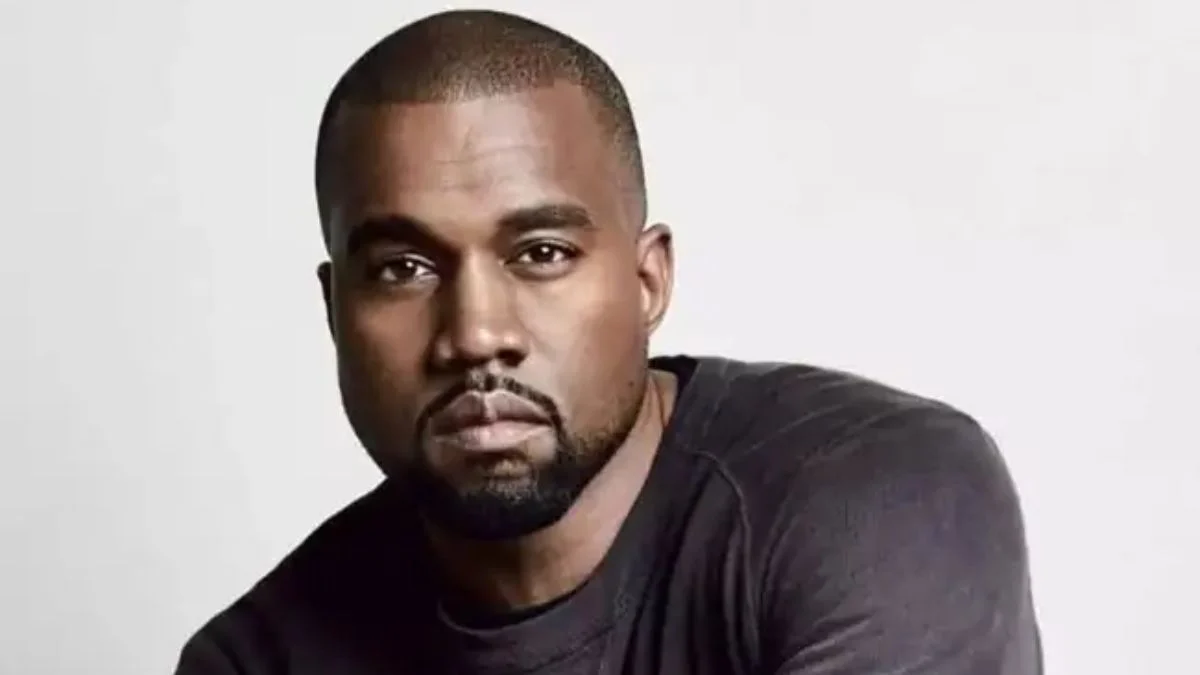
From Chicago Producer to Global Superstar: The Untold Story Behind Ye’s $2 Billion Loss and Path to Recovery in 2026
The story of Kanye Omari West—now legally known as Ye—reads like a modern tragedy wrapped in triumph, then unraveling into chaos, before potentially finding redemption. It’s a tale that begins in the modest neighborhoods of Chicago and ascends to the pinnacle of global fame, only to come crashing down in spectacular fashion. As of January 2026, the world watches with bated breath to see if one of hip-hop’s most influential figures can complete what many are calling the greatest comeback attempt in entertainment history.
In This Post:

The Early Years: How Kanye West Built His Empire From Scratch
Born on June 8, 1977, in Atlanta, Georgia, Kanye’s journey started far from the glitz of Hollywood or the boardrooms where billion-dollar deals are made. After his parents divorced when he was just three years old, young Kanye moved to Chicago with his mother, Donda West, an English professor who would become his greatest supporter and whose tragic death would later haunt him.
The signs of genius appeared early. By third grade, Kanye was already rapping. By seventh grade, he was producing beats, displaying a musical intuition that seemed almost supernatural. His mother recognized his talents, even taking him to China for a year when he was ten, where she taught at Nanjing University. This early exposure to different cultures would later influence his boundary-pushing artistic vision.
After graduating from Polaris High School in 1995, Kanye briefly attended Chicago State University on an art scholarship. But the traditional path wasn’t for him. He dropped out—a decision that would later inspire his debut album’s title and theme—to chase his dreams full-time. This gamble, terrifying for any parent, would eventually pay off beyond anyone’s wildest imagination.
Breaking Through: The Producer Who Changed Hip-Hop Forever
The late 1990s found Kanye grinding in Chicago’s underground scene, producing for local artists like Gravity. His breakthrough came in 1998 when he sold his first major beat to Jermaine Dupri for the track “Life in 1472.” The check wasn’t huge, but it validated what Kanye already knew: he had something special.
By 2000, Kanye made the crucial move to New York, landing a spot at Roc-A-Fella Records. What happened next would reshape hip-hop production. He crafted multiple hits for Jay-Z’s legendary 2001 album “The Blueprint,” including “Izzo (H.O.V.A.)” and “Heart of the City.” His signature style—soulful samples, sped-up vocals, intricate drum patterns—became the sound of an era.
Then came October 2002, a moment that could have ended everything. Kanye fell asleep at the wheel after a recording session and crashed head-on into another car. His jaw was shattered, wired shut for weeks. Most people would have taken time to recover. Kanye recorded “Through the Wire” with his jaw still wired, rapping through the pain. The song became a testament to his unbreakable will and launched his career as a rapper.
The College Dropout Era: Rewriting Hip-Hop’s Rules in 2004
When “The College Dropout” dropped in February 2004, it debuted at number two on the Billboard 200 and challenged everything hip-hop was supposed to be. While gangsta rap dominated, Kanye wore polo shirts and backpacks, rapping about Jesus, consumerism, and self-doubt. Tracks like “Jesus Walks” and “Through the Wire” showcased vulnerability and spirituality rarely seen in mainstream hip-hop.
The album sold over three million copies and earned Kanye three Grammy Awards in 2005, including Best Rap Album. He wasn’t just a producer anymore—he was a voice for everyone who didn’t fit the tough-guy rapper mold.
Peak Kanye: Building a Billion-Dollar Brand (2005-2016)
The next decade saw Kanye West transform from successful artist to cultural phenomenon. “Late Registration” (2005) topped the charts, with “Gold Digger” becoming a number one hit. He won three more Grammys but also made headlines for a different reason: during a Hurricane Katrina telethon, he went off-script and declared, “George Bush doesn’t care about Black people.” The statement shocked the nation and showed Kanye’s willingness to risk everything for what he believed.
In 2007, he founded GOOD Music, his own label. His album “Graduation” outsold 50 Cent’s album in a famous sales battle, cementing his commercial dominance. But tragedy struck that November when his mother Donda died from complications following cosmetic surgery. The loss devastated Kanye in ways that would echo through his life and work for years to come.

His 2008 album “808s & Heartbreak,” recorded in the depths of grief, pioneered the use of auto-tune in hip-hop and influenced an entire generation of artists including Drake and Travis Scott. The pain was palpable in every digitized note.
Then came the 2009 VMAs incident. When Taylor Swift won Best Female Video, Kanye stormed the stage, grabbed her microphone, and insisted Beyoncé deserved the award. The backlash was instant and severe. He disappeared from public view, returning in 2010 with “My Beautiful Dark Twisted Fantasy,” an album many critics call his masterpiece.
The Fashion Empire: How Yeezy Made Kanye West a Billionaire
While music built Kanye’s fame, fashion made him a billionaire. His 2009 collaboration with Louis Vuitton and the Nike Air Yeezy 1 were just appetizers. The main course came in 2015 when he partnered with Adidas to launch the Yeezy line.
The Yeezy sneakers became instant status symbols. Limited releases sold out in minutes. Resale values skyrocketed into the thousands. By early 2022, Forbes estimated Kanye’s net worth at $1.8 billion to $2 billion, with the Yeezy brand valued at $1.5 billion. Deals with Gap and Balenciaga expanded his empire. Kanye had achieved what seemed impossible: becoming hip-hop’s first true fashion mogul.
He married Kim Kardashian in 2014, creating a power couple that dominated headlines. They had four children: North, Saint, Chicago, and Psalm. From the outside, Kanye West had won at life.
But underneath the success, cracks were forming.
The Breaking Point: October 2022 and the $2 Billion Collapse
In 2016, Kanye was hospitalized following a psychiatric emergency amid public breakdowns. He was diagnosed with bipolar disorder but often went off his medication. His support for Donald Trump in 2016 and a bizarre 2020 presidential run where he received only 60,000 votes alienated many fans. His divorce from Kim Kardashian, finalized in 2022, added personal turmoil.
Then came October 2022, the month everything imploded.
It started at Paris Fashion Week when Kanye debuted “White Lives Matter” T-shirts alongside conservative commentator Candace Owens. Critics slammed the stunt as appropriating Black Lives Matter’s message. But that was just the beginning.
Kanye posted antisemitic content on Instagram and Twitter, including claiming Sean “Diddy” Combs was controlled by “Jewish people” and tweeting he’d go “death con 3 on JEWISH PEOPLE.” Both platforms suspended him. On the Drink Champs podcast, he doubled down, declaring, “I can say antisemitic things, and Adidas can’t drop me,” while promoting conspiracy theories about Jewish control of media and finance. The episode was quickly pulled.
He spread misinformation about George Floyd’s death, falsely blaming fentanol, prompting threats of lawsuits from Floyd’s family. In the most shocking moment, he appeared on Alex Jones’s show and praised Adolf Hitler, declared himself a Nazi, and reportedly sold swastika merchandise in 2023.
The response was swift and merciless.
The Fallout: How Kanye West Lost Everything in Days
On October 25, 2022, Adidas terminated their $1.5 billion partnership, a deal that represented the majority of Kanye’s net worth. The German company incurred 250 million euros ($217 million) in losses in the fourth quarter of 2022 alone and a $540 million net loss in 2023 from unsold Yeezy inventory.
Gap ended their 10-year partnership projected to generate $1 billion in revenue. Balenciaga cut ties. CAA, the talent agency representing him for six years, dropped him as a client, severing access to Hollywood deals and tours. JP Morgan Chase ended their banking relationship. Foot Locker, T.J. Maxx, and Skechers pulled Yeezy products from shelves. Skechers even escorted Kanye out of their headquarters when he showed up unannounced.
Vogue’s Anna Wintour severed professional ties, isolating him from high-fashion circles. A completed documentary about his life was shelved indefinitely. Venues canceled shows. Streaming numbers dropped 20 to 30 percent.
Kanye’s net worth plummeted from roughly $2 billion to approximately $400 million, stripping away his billionaire status. He later posted on Instagram that he “lost $2 billion in one day”—a figure that, while slightly exaggerated in terms of immediate cash losses, captured the scale of devastation to his projected future earnings.
Antisemitic incidents spiked across the country. Banners appeared in Los Angeles. The Jewish community expressed pain over his influence. The Black community felt betrayed by his rhetoric. Kanye West, once a cultural unifier who challenged norms and inspired millions, had become a pariah.
The Legal Nightmare: Kanye West’s Battles in Court (2023-2026)
As if the business collapse wasn’t enough, legal battles piled up like wreckage from a multi-car crash.
The most prominent ongoing case involves his $57.3 million Malibu mansion, the Tadao Ando-designed beachfront property he purchased in 2021. Kanye gutted the home during renovations, stripping it to concrete and removing windows, doors, plumbing, and electricity. He sold it in September 2024 for just $21 million, a staggering $36 million loss.
Tony Saxon, the former project manager, sued in 2023 alleging unpaid wages (claiming a $20,000 weekly fee), unsafe working conditions described as “extreme danger,” labor violations, and disability discrimination. Kanye tried to dismiss the claims, arguing Saxon wasn’t a licensed contractor. On January 15, 2026, a Los Angeles County judge rejected the dismissal attempt, sending the case to trial on March 2, 2026.
In a counter-move, Kanye sued Saxon and his law firm on January 8, 2026, claiming they wrongfully placed a $1.8 million mechanic’s lien on the property in January 2024, interfering with the sale and discouraging buyers.
Then there’s Lauren Pisciotta, Kanye’s former assistant hired during the “Donda” album work in 2021. She filed suit in June 2024 alleging sexual harassment, breach of contract, wrongful termination, and hostile work environment. In July 2025, she amended her claims to include accusations of sexual battery, assault, rape, sex trafficking, stalking, and coercion through false career promises. She details incidents at a San Francisco hotel and Yeezy offices, plus alleged post-lawsuit stalking including fake 911 calls and message barrages. Pisciotta has reportedly gone into hiding out of fear. Kanye denies the claims as “absurd and outlandish” and “fantasy fiction.”
His now-closed private Christian school, Donda Academy, spawned multiple lawsuits since 2023. Teachers Cecilia Hailey, Chekarey Byers, and Timanii Meeks sued for wrongful firing and unpaid wages, claiming students were “at least two years behind.” Former assistant principal Isaiah Meadows won a default judgment in December 2024 after the school failed to appear via licensed attorneys. Trevor Phillips sued in 2024 alleging discrimination and retaliation, claiming Kanye compared himself to Hitler. Most major teacher suits settled in March 2025, but default judgments and lingering claims remain.
Kanye also faced at least 14 copyright lawsuits over unauthorized samples in various tracks. Many settled, including with the Donna Summer estate in 2023.
The Gap partnership battle continues, with both sides suing for breach and millions in damages. Thankfully for Kanye, his legal war with Adidas ended in October 2024 with an out-of-court settlement where no money was exchanged and all claims were withdrawn.
These legal battles have drained finances, damaged reputation, and complicated any comeback attempt.
The Comeback Attempt: Is Kanye West Recovering in 2026?
As of January 21, 2026, whispers of redemption grow louder. Kanye appears to be in what insiders describe as a phase of attempted revival, looking “healthiest ever” with a “clear mind.” His net worth has stabilized around $400 million to $500 million through independent Yeezy sales via Yeezy.com and continued music streaming revenue.
The apologies began. Kanye met with Rabbi Yoshiyahu Pinto in 2025, apologizing publicly and privately for his antisemitic remarks and attributing them to his untreated bipolar disorder. He posted apologies in Hebrew on Instagram. He’s reconnected with peers like Diddy and Travis Scott, making surprise appearances at Deon Cole’s comedy show and Travis Scott’s Tokyo concert.
He spent the 2025 holidays with ex-wife Kim Kardashian and their four children, signaling personal healing. His collaborative albums with Ty Dolla $ign, “Vultures 1” and “Vultures 2,” topped charts in 2024 and 2025, amassing billions of streams and proving his music still resonates.
The Yeezy brand is recovering with new designs launching, stores in development, and orders fulfilling. Without the Adidas overhead, Kanye has generated $100 million to $200 million annually through direct sales, though margins are lower than the previous $220 million in annual royalties.
On January 30, 2026, Kanye is set to release “Bully,” his highly anticipated solo album featuring tracks like “Preacher Man” and “Beauty and the Beast.” He’s teased another album later in 2026 and potential collaborations with Dave Blunts and Lazer Dim 700.
International opportunities are opening. He’s scheduled to debut in India in April 2026 for a multi-city tour described as a “massive cultural event.” A European show is planned for July 18 in Reggio Emilia. If these succeed, a U.S. return might follow, though many venues still ban him due to past controversies.
Cryptic social media posts hint at a possible 2028 presidential run, while Kanye focuses publicly on “faith, family, creativity.”
What Lies Ahead: The Future of Ye in 2026 and Beyond

The question everyone asks: Can Kanye West truly come back?
The challenges are immense. Lingering venue bans, ongoing lawsuits (including the March 2026 Malibu trial and active Pisciotta case), and public skepticism create significant headwinds. His mental health stability remains key—past patterns of behavior suggest volatility could return at any moment.
Yet the optimistic signs are real. If “Bully” succeeds commercially and critically, and if his apologies genuinely resonate with communities he hurt, Kanye could regain cultural relevance, especially internationally where his controversies didn’t penetrate as deeply.
His influence on music and fashion endures. Artists he’s mentored or influenced—Drake, Travis Scott, Nicki Minaj, and countless others—dominate the charts. The Yeezy aesthetic still shapes sneaker culture. He remains, objectively, one of the most influential artists of the 21st century, with 24 Grammy Awards (fourth-most for a rapper) and over 160 million records sold.

The narrative of a “greatest comeback” is tantalizing. Americans love redemption stories. If Kanye can maintain sobriety, take his medication, stay away from inflammatory rhetoric, deliver exceptional music, and genuinely make amends, the cultural forgiveness machine might slowly turn in his favor.
But the scars from 2022 run deep. The Jewish community’s pain is not easily healed. The Black community’s sense of betrayal lingers. The business world remains wary. Trust, once shattered, requires years to rebuild.
As Kanye West stands at this crossroads in 2026, the world watches. Will this be the redemption arc that defines his legacy? Or will old patterns reassert themselves, turning this attempted comeback into another chapter of tragedy?
Only time will reveal whether the kid from Chicago who changed hip-hop, revolutionized sneaker culture, and built a billion-dollar empire can rise from the ashes of his own making. What’s certain is this: Kanye West’s story, whatever its ending, will be studied for generations as a cautionary tale about genius, ego, mental health, and the price of fame.
The journey from $2 billion to $400 million and potentially back again isn’t just about money—it’s about whether redemption is possible when you’ve fallen from the highest heights. For Kanye West, the answer to that question might define not just his legacy, but our capacity for forgiveness in the age of cancel culture.
The next chapter is being written right now. And the whole world is reading.


Leave a Reply