

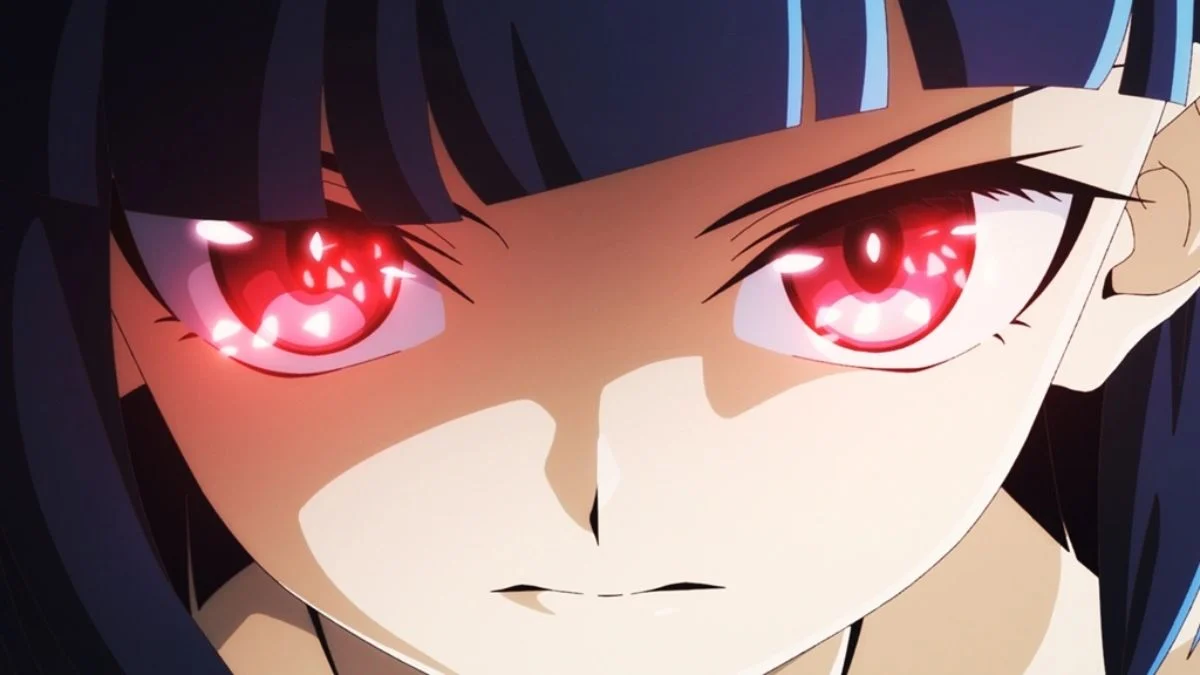
Spring 2026 brings a darker and more reflective edge to supernatural anime, as Petals of Reincarnation confirms its television premiere this April. With a new trailer, an expanded cast reveal, and fresh key visuals now public, the series steps into view as one of the season’s most thematically charged debuts.
Rather than relying on spectacle alone, the anime positions itself around a question that feels uncomfortably human. What does talent mean when it does not belong to you.

A Clear April 2026 Premiere Window
The anime adaptation of Petals of Reincarnation will begin broadcasting in April 2026 across major Japanese networks including TOKYO MX and BS NTV. International audiences can expect streaming access through HIDIVE in the United States, placing the series firmly within the global seasonal lineup.
This timing situates the show among spring premieres, yet its tone sets it apart. While many seasonal titles chase momentum, Petals of Reincarnation leans into introspection, conflict, and moral tension from the outset.
The Story at the Center of Reincarnation
At the heart of the narrative lies the Branch of Reincarnation, an object that grants the abilities of past lives at a lethal price. Those who wield it inherit the talents of historical figures, but the act demands a willingness to sever one life to borrow another.
The story follows Toya Senji, a teenager haunted by inadequacy despite academic success. His life shifts when he encounters Haito Luo Buffett, a Returner who has awakened her past talents and now stands against violent forces tied to the Branch.
This premise grounds the supernatural elements in emotional realism. Talent becomes both salvation and burden, forcing characters to question identity, justice, and self worth.
New Visuals and the Forest of Greats
The second key visual introduces the Forest of Greats, a group of Reincarnators whose stated aim centers on world peace. Each member draws power from a different historical figure, and the visual reflects that diversity through combat stances and symbolic design.
Rather than presenting heroes or villains outright, the imagery hints at ideological friction within the group. Every character looks forward, yet their intentions feel far from unified.
The accompanying promotional video reinforces this tension. It opens with Toya’s hunger for talent and closes on a lingering mystery surrounding his altered left arm, a detail that signals deeper narrative stakes.
Expanded Cast and Character Focus
Five new characters join the cast, each inspired by influential figures from history.
A. Einstein voiced by Haruka Shiraishi
I. Newton voiced by Kaito Ishikawa
F. Nightingale voiced by Reina Ueda
Jubei Mitsuyoshi Yagyu voiced by Marina Inoue
Hiroshi Funasaka voiced by Shugo Nakamura
These roles bring philosophical weight as much as combat ability. The casting choices emphasize emotional range, not just power. Dialogue and character interaction appear poised to carry as much impact as action sequences.
Music That Reflects the Theme
Music plays a deliberate role in shaping the series tone. The opening theme, “Glitch*” by eill, frames talent as a deviation from normal rather than a gift to celebrate blindly. The ending theme, “ZERO” by Sizuk, leans into loss, conflict, and self reckoning.
Both tracks echo the anime’s central tension. Gaining strength often means losing certainty.

The Creative Team Behind the Adaptation
The anime brings together a focused production lineup. Shun Kudo directs the series at BENTEN Film, with Atsuo Ishino handling series composition. Haruno Kato designs the characters, while KOHTA YAMAMOTO composes the music.
The original manga by Mikihisa Konishi continues serialization under Mag Garden, with official English releases already available. This foundation gives the adaptation narrative depth to draw from without rushing its themes.


Leave a Reply