

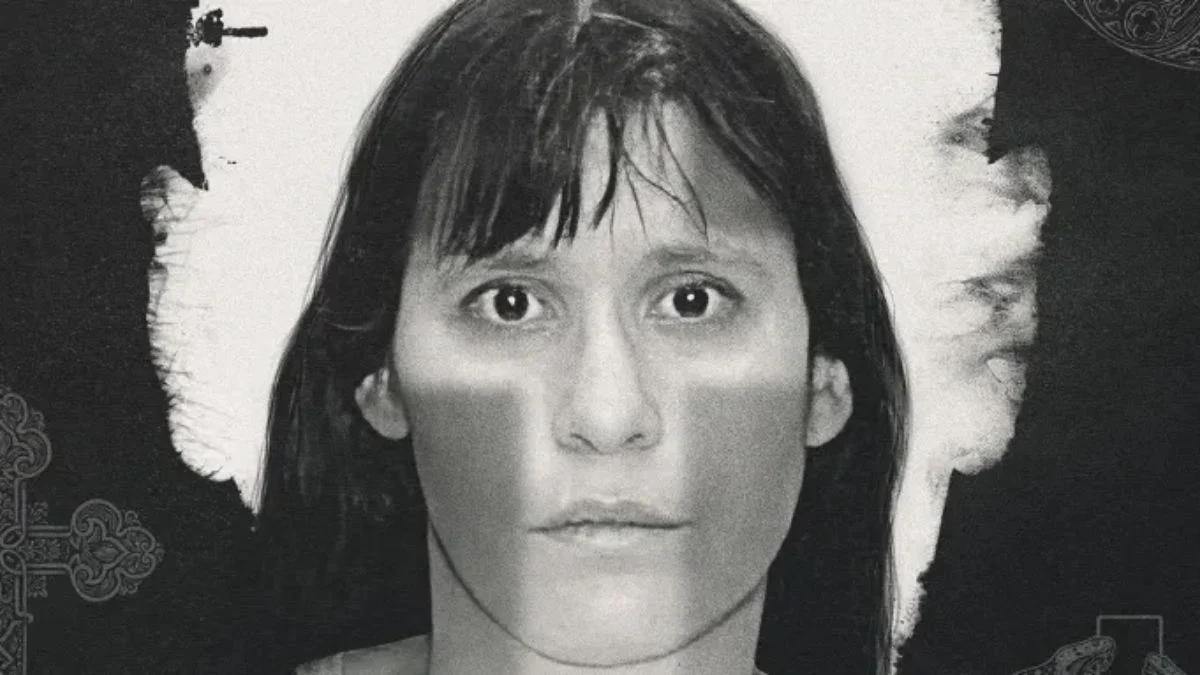
More than two decades after one of the most devastating crimes in modern American history, the name Andrea Yates continues to provoke difficult conversations about mental illness, faith, and accountability. Interest in her case has surged again following a new true-crime docuseries, prompting many readers to ask a familiar question: where is Andrea Yates now, and what has changed since the tragedy that shocked the United States?
This story remains relevant not because of sensationalism, but because it sits at the intersection of maternal mental health, criminal justice, and the long-term consequences of untreated psychosis—issues that continue to affect families across the country.
Andrea Yates Today: Current Location and Mental Health Status
As of January 2026, Andrea Yates, now 61 years old, remains committed to Kerrville State Hospital, a low-security mental health facility located in Kerrville, Texas. She has lived there continuously since 2007, following her retrial verdict of not guilty by reason of insanity (NGRI) in connection with the drowning deaths of her five children.
Yates continues to receive long-term psychiatric treatment for severe postpartum psychosis and schizophrenia—conditions that played a central role in her legal defense and which experts widely recognize as chronic and serious mental illnesses. According to her longtime attorney, George Parnham, she receives excellent care, and he describes her as “doing remarkably well” within the structure of the hospital environment.
Each year, Andrea Yates voluntarily waives her right to a competency review hearing, a legal process that could theoretically open the door to supervised release. Her attorney has stated that she has no desire to leave the facility and remains deeply aware of her condition and its consequences. She is not permitted to leave hospital grounds without supervision.
Within Kerrville State Hospital, Yates participates in therapeutic activities, including creating handmade crafts such as greeting cards and aprons. These items are sold anonymously, and the proceeds are donated to a foundation established in memory of her children. Those close to her say she continues to grieve for them daily.
Relationship With Her Ex-Husband, Rusty Yates

Andrea Yates’ ex-husband, Russell “Rusty” Yates, divorced her in 2005 while she was still involved in the legal process. Despite the divorce, he has maintained contact with her over the years, speaking to her by phone approximately once a month and visiting her at the hospital.
Rusty Yates has publicly stated that he forgives Andrea, consistently attributing the tragedy to her severe, untreated mental illness rather than malice or intent. Since the divorce, he has remarried and gone on to start a new family, while continuing limited but consistent communication with his former wife.
Andrea Yates Before the Tragedy: Education, Faith, and Family Life
Andrea Pia Yates (née Kennedy) was born on July 2, 1964, in Houston, Texas. She was widely regarded as a high achiever—a registered nurse, a straight-A student, and her high school valedictorian. She married Rusty Yates in 1993, and together they embraced a fundamentalist Christian lifestyle.
Their beliefs were heavily influenced by itinerant preacher Michael Woroniecki, whose teachings emphasized homeschooling, strict gender roles, large families, and apocalyptic themes centered on sin, judgment, and hell. The couple had five children: Noah (1994), John (1995), Paul (1997), Luke (1999), and Mary (2000).
After each birth, Andrea experienced worsening symptoms of postpartum depression and psychosis, including hallucinations and delusions. Medical professionals repeatedly advised against further pregnancies, warning that additional childbirth could exacerbate her condition. Despite this, the couple continued to expand their family.
Reports indicate Andrea believed that Satan lived inside her and that hell awaited her children unless she “saved” them—her psychosis directly fueled this belief.
The Crime That Shocked America
On June 20, 2001, in the family’s home in a Houston suburb, Andrea Yates drowned her five children one by one in the bathtub, beginning with the youngest. Afterward, she called 911 and calmly reported what she had done.
The case drew intense national and international attention, sparking widespread debate about postpartum psychosis, maternal mental health, religious extremism, and the criminal justice system’s handling of severe mental illness.
Trials, Appeals, and the Insanity Verdict Explained
Andrea Yates was first tried in 2002 and convicted of capital murder for three of the deaths. She received a life sentence, with the possibility of parole after 40 years. However, an appeals court overturned that conviction in 2005 after it ruled that a prosecution psychiatrist had provided false testimony, claiming a non-existent “Law & Order” episode inspired Yates.
In her 2006 retrial, expert witnesses testified that Yates’ psychosis was so severe that she could not distinguish right from wrong at the time of the killings. After just three hours of deliberation, the jury returned a verdict of not guilty by reason of insanity, committing her to state psychiatric care indefinitely.
New Docuseries Reexamines the Role of Religious Influence
In January 2026, renewed public attention followed the premiere of “The Cult Behind the Killer: The Andrea Yates Story,” a three-part Investigation Discovery docuseries streaming on HBO Max. Rather than focusing solely on Yates’ mental illness, the series examines the alleged influence of Michael Woroniecki’s teachings on her deteriorating mental state.
The documentary features interviews with Rusty Yates, former followers who describe fear-based recruitment and isolating control, and Woroniecki’s nephew, comedian Moses Storm, who recounts childhood trauma linked to the doctrine. The series includes previously unheard cassette recordings that Yates reportedly listened to obsessively, including on the morning of the murders, as well as letters warning her of eternal damnation for being an “unrighteous mother.”
Filmmakers argue that this influence was underreported in earlier coverage of the case. Attempts to contact Woroniecki and his wife for comment were unsuccessful.

Broader Impact on Mental Health Awareness and Law

The Andrea Yates case remains a landmark moment in discussions around postpartum psychosis, insanity defenses, and the treatment of mentally ill defendants in Texas and across the United States. It has contributed to greater public awareness of severe maternal mental health disorders and influenced legal and medical conversations about early intervention and long-term care.
A companion book, The Cult Behind the Killer: The Andrea Yates Story: Faith, Fear, and the Forces That Shaped a Tragedy by Lexi Alexander, released in late 2025, further explores the intersection of religion, psychology, and systemic failure.
A Case That Still Resonates
Today, Andrea Yates lives quietly within a hospital setting, far removed from public life but not from public memory. Her story continues to resonate because it challenges simple narratives of guilt and innocence, forcing society to confront how mental illness, belief systems, and institutional decisions can converge with irreversible consequences.
As renewed media attention brings the case back into focus, it serves as a sobering reminder of why mental health awareness, compassionate treatment, and early intervention remain critical—especially for those most vulnerable.
More Trending Stories:


Leave a Reply