

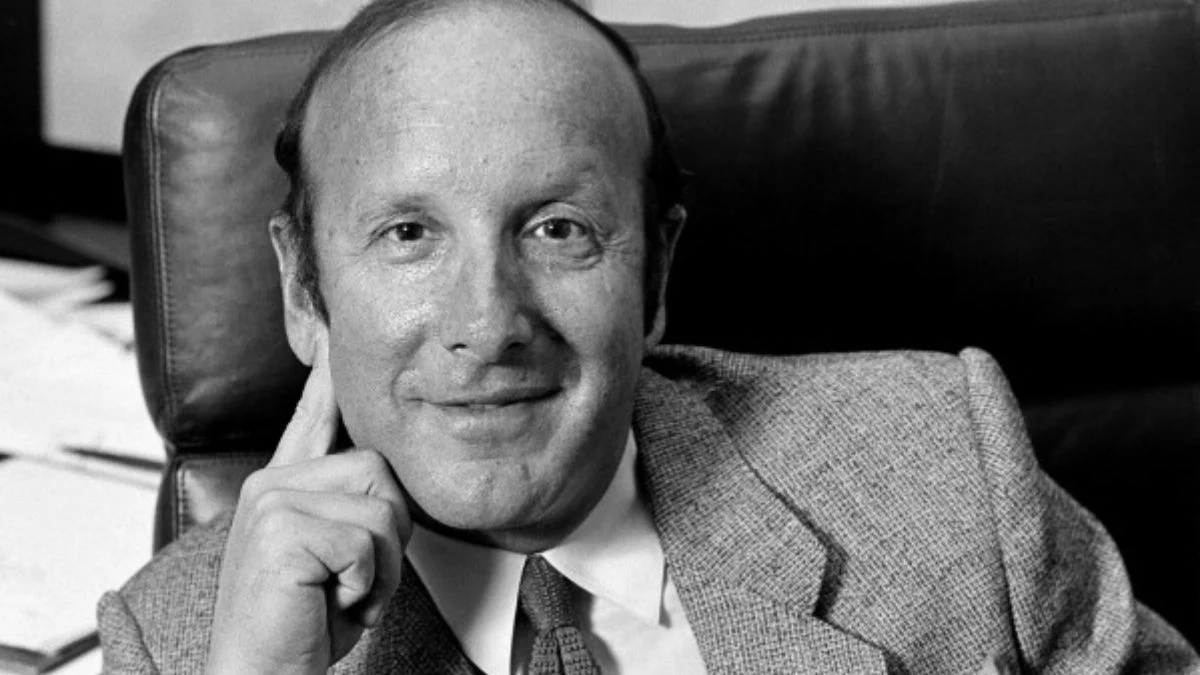

Clive Davis, the man widely credited with shaping the sound of modern popular music across more than five decades, died on Monday, June 22, 2026, at his Manhattan apartment. He was 94. The news sent shockwaves through the global music industry, with tributes pouring in from some of the biggest names in the business.
His publicist, Aliza Rabinoff, confirmed the news, while his family released a statement describing him as someone who “discovered, mentored, and championed the greatest artists in modern music history, leaving an indelible mark on culture that will endure for generations.”
What Happened to Clive Davis?
Davis had been hospitalised in late May 2026 following an upper respiratory issue, according to Rolling Stone. However, he was discharged earlier in June. His family’s statement did not specify a cause of death.

Who Was Clive Davis?
Born on April 4, 1932, in Brooklyn, New York, Davis never set out to work in music. After losing both his parents in his late teens, he attended New York University and then graduated from Harvard Law School. He joined Columbia Records as an in-house lawyer in 1960 and, within seven years, had risen to become the label’s president.
Key Career Milestones at a Glance
| Year | Achievement |
| 1967 | Became President of Columbia Records |
| 1967 | Signed Janis Joplin after Monterey Pop Festival |
| 1973 | Founded Arista Records |
| 1980s | Signed and launched Whitney Houston’s career |
| 1999 | Produced Santana’s Grammy-sweeping album Supernatural |
| 2000 | Founded J Records; launched Alicia Keys |
| 2000 | Inducted into the Rock and Roll Hall of Fame |
| Until death | Chief Creative Officer at Sony Music Entertainment |
The Artists He Made Famous
Davis’s eye, and more famously his ear, for talent produced a list of signings that reads like a hall of fame in itself. His first major signing was Janis Joplin, whom he spotted at the 1967 Monterey International Pop Festival. From there, the roster kept growing.
He signed Bruce Springsteen, Billy Joel, Carlos Santana, Barry Manilow, Aretha Franklin, Patti Smith, Lou Reed, The Grateful Dead, Aerosmith, Earth, Wind and Fire, Chicago, Dionne Warwick, Luther Vandross, Simon and Garfunkel, TLC, Brooks and Dunn, and Alicia Keys, among many others.
His relationship with Whitney Houston stood out as both his greatest achievement and most painful loss. He signed her as a teenager to his Arista Records label, and together they produced a record-setting run of seven consecutive number one singles. Houston died in a Beverly Hills hotel room in February 2012, the night before Davis’s annual pre-Grammy gala was held in the same building.

The Tributes From Fellow Artists
The reaction from the music world was immediate and deeply emotional.
- Carlos Santana called Davis “a visionary” who “could hear the intangible before anyone else could see it.”
- Bruce Springsteen reflected that Davis changed his life when he signed him to Columbia Records at age 22, adding that Davis treated him with the same respect “as a 22-year-old nobody as he did after all my success.”
- Barry Manilow said that “to Clive, it was never business. It was family.”
- Alicia Keys described him as “the visionary who transformed dreams into reality.”
- Patti Smith thanked him publicly for “a half century of love and support.”
- Rod Stewart credited Davis as the only person who believed a rock singer could record standards, leading to The Great American Songbook series that sold close to 40 million copies.
- Diane Warren said losing Davis felt like losing a father and that no one would ever come close to what he achieved.
His Grammy Week Gala
Beyond his label work, Davis became equally famous for hosting the music industry’s most exclusive annual party the night before the Grammy Awards. He first threw the event in 1976, and it became an official Recording Academy event in 2009. The most recent edition, held on January 31, featured performances from Olivia Dean, Laufey, Jelly Roll, Sombr, Art Garfunkel, and the K-Pop Demon Hunters stars.

Grammy Awards and Accolades
Davis himself received five Grammy Awards over his career, including the Recording Academy’s Trustees Award in 2000, the same year he entered the Rock and Roll Hall of Fame. The NAACP also honoured him with its Vanguard Award for his groundbreaking support for Black artists throughout the industry.
His Personal Life
Davis married twice and had four children. In his 2013 memoir, The Soundtrack of My Life, he publicly confirmed that he was bisexual. He continued to remain active in the music industry right up until his death, holding the title of Chief Creative Officer at Sony Music Entertainment.

A Legacy That Will Never Fade
Few figures in the history of recorded music left behind a body of work as broad or as enduring as Clive Davis. He did not simply sign artists and move on. He shaped careers, fought for songs that artists themselves initially rejected, and consistently pushed the boundaries of what popular music could sound like. From guiding Whitney Houston to global superstardom to reviving Aretha Franklin’s chart presence decades into her career, Davis proved time and again that his instincts were almost impossible to argue with.
His influence stretched far beyond any single genre or era. He helped bring rock into the mainstream, opened doors for hip-hop, gave country music wider reach, and introduced jazz standards to a new generation of listeners through Rod Stewart. In many ways, the soundtrack of the last sixty years of popular music runs directly through decisions he made.
His family closed their tribute with a statement that captured both sides of the man perfectly:
“We celebrate not only a towering figure whose influence changed music forever, but the man who led our family with grace, generosity, and kindness.”
The music world has lost one of its most defining voices. However, the artists he believed in, the records he championed, and the careers he built will ensure that Clive Davis remains a presence in popular culture for generations to come.


Leave a Reply