

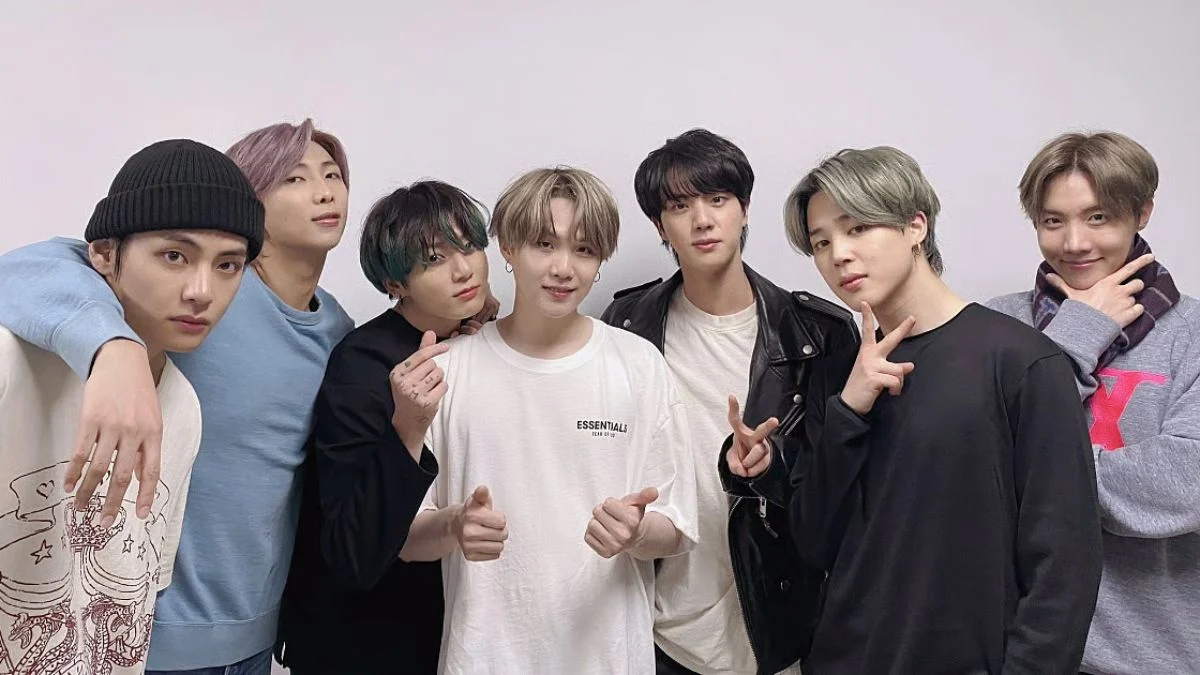
BTS is back, and so is the ticket scalping crisis that has plagued K-Pop fans for years. With the group’s long-awaited return arriving alongside the release of their fifth full-length album ARIRANG, South Korea has decided that enough is enough. The government has passed sweeping new anti-scalping legislation, launched a dedicated public-private task force, and opened active police investigations ahead of BTS’s March 2026 concerts. Here is everything fans need to know about the new laws, the penalties, and what happens if someone buys a scalped ticket.
The Situation at a Glance
| Detail | Info |
| Legislation Passed | January 29, 2026 |
| Laws Amended | Public Performance Act, National Sports Promotion Act, Copyright Act |
| New Laws Take Effect | August 28, 2026 |
| Maximum Fine for Scalping | Up to 50 times the ticket price |
| Underground Market Value | Estimated at over 100 billion won (~$68.6 million USD) per year |
| BTS Comeback Concert | March 21, 2026, Gwanghwamun Square, Seoul |
| Concert Admission | Free (lottery/presale via NOL/Interpark) |
| Live Stream | Netflix worldwide at 8:00 PM KST |
| BTS World Tour Start | April 9, 2026, Goyang Stadium |
| World Tour Cities | 34 cities worldwide |

What South Korea Actually Changed
South Korea’s National Assembly passed a set of legislative amendments on January 29, 2026, following months of work by the Ministry of Culture, Sports, and Tourism. The amendments cover three key pieces of legislation: the Public Performance Act, the National Sports Promotion Act, and the Copyright Act.
Previously, enforcement focused only on scalping carried out through automated software, known as macro programs. This created a significant loophole, as scalpers who purchased tickets manually faced little to no legal risk. The new amendments close that loophole entirely.
Under the updated Public Performance Act and National Sports Promotion Act, all ticket scalping is now prohibited regardless of the method used to obtain the tickets. Manual purchases resold at inflated prices carry the same legal consequences as macro-assisted bulk buying.
What Are the Penalties for Scalping?
The new legislation introduces some of the harshest anti-scalping penalties seen anywhere in the world.
| Violation | Penalty |
| Ticket scalping (any method) | Fine of up to 50 times the ticket price |
| Illegal resale profits | Full confiscation of earnings |
| Willful or repeated copyright infringement | Up to 5 times the damages awarded by courts |
| Criminal copyright violations | Up to 7 years in prison or a fine of up to 100 million won (~$68,636 USD) |
Additionally, the legislation requires ticket vendors and online marketplaces to install technical and administrative safeguards to prevent illegal resale. A dedicated reporting agency now collects sales data from platforms and individual sellers, and a whistleblower incentive system encourages the public to report violations directly.
Why the Government Is Acting Now: The Scalping Surge
The urgency behind the new laws connects directly to the explosive demand for BTS tickets. Even before official sales opened, resale prices on platforms like StubHub and Korean secondhand sites skyrocketed. Official Goyang Stadium tickets with a face value of 198,000 to 264,000 won were listed as high as 15 million won (approximately $11,300 USD), representing nearly 40 to 50 times the original price. Even the free Gwanghwamun Square tickets were illegally resold for between 120,000 and 150,000 won each.
In one recent case, police arrested scalpers who collectively profited more than 7 billion won from BTS-related illegal ticket sales. These extreme markups pushed the government to fast-track enforcement and designate the BTS concerts as the first major test case under the new framework, even before the revised laws formally take effect in August.
The underground resale market for concert and sporting event tickets in South Korea is estimated by the government to be worth more than 100 billion won (~$68.6 million USD) annually.

BTS Concerts as a Test Case
Minister Chae Hwi-young of the Ministry of Culture, Sports and Tourism confirmed that the BTS concerts will serve as the government’s first major enforcement test under the new framework. Speaking at the launch ceremony of the Public-Private Council for Preventing Ticket Scalping in Performances and Sports on March 5, 2026, the Minister stated that monitoring of BTS concert platforms had already revealed multiple suspected scalping cases.
The Minister was direct: even before the amended laws formally take effect on August 28, 2026, the government plans to use every existing legal tool at its disposal to crack down on scalping ahead of BTS’s upcoming shows.
The March 21 comeback concert at Gwanghwamun Square is a free, city-sponsored public event organised by the Seoul Metropolitan Government. Tickets were distributed via free lottery and presale through NOL (Interpark) and are non-transferable due to strict real-name verification. The event expects to draw over 200,000 fans, with standing areas across the historic square potentially accommodating up to around 260,000 attendees.
For fans who cannot attend in person, BTS THE COMEBACK LIVE | ARIRANG streams live worldwide exclusively on Netflix at 8:00 PM KST (4:00 AM PT / 7:00 AM ET), included at no extra cost with any Netflix subscription plan.
The Public-Private Anti-Scalping Taskforce
The South Korean government launched a dedicated Public-Private Council to coordinate enforcement across government agencies, ticketing platforms, and online marketplaces. A total of 18 organisations are participating.
Government and enforcement bodies: The Ministry of Culture, Sports and Tourism, the Korea Fair Trade Commission, and the Korean National Police Agency.
Ticketing and platforms: Five major ticket reservation platforms and four major secondhand transaction platforms.
Industry associations: The Korea Professional Sports Association, the Korea Baseball Organization, the Korea Popular Music Performance Industry Association, the Korea Music Content Association, the Korea Sports Promotion Foundation, and the Korea Creative Content Agency.
The council plans to operate across four areas: blocking illegal activity at the reservation stage, continuous monitoring by platform operators, swift information sharing with investigative agencies, and running public awareness campaigns.
Active Police Investigations Ahead of the March 21 Concert
Seoul Metropolitan Police have already opened investigations in connection with ticket scalping ahead of BTS’s March 21, 2026 Gwanghwamun Square concert. Ticketing operator Nol Universe filed a formal complaint over suspected macro-driven bulk purchases, and police are currently tracking three types of fraud: macro-based proxy ticket purchases, high-priced resale of fraudulently obtained tickets, and the sale of entirely fake tickets. So far, police have flagged more than 110 suspicious online posts and requested platforms to delete or block them.
On the day of the concert, approximately 4,800 officers including specialist units will deploy around the venue to manage crowd safety.

What Happens if Someone Buys a Scalped BTS Ticket?
The South Korean government issued a clear public warning: buying a scalped ticket does not guarantee entry. If a scalped reservation is detected, it can be cancelled outright. Additionally, on-site real-name identity verification means that even a genuine scalped ticket cannot be transferred to a different person in practice, making the purchase essentially worthless and leaving buyers vulnerable to fraud.
Minister Chae Hwi-young also warned fans against using proxy ticketing services or brokers who claim they can secure tickets through macro programs. Fans who hire such intermediaries risk being treated as accomplices and are more vulnerable to identity theft and advance-fee scams. Seoul Metropolitan Police Chief Park Jeong-bo confirmed that fraud victims in connection with BTS ticket scams have already lost sums ranging from 150,000 won (~$100 USD) to 300,000 won per case.
For international fans: The new anti-scalping laws primarily target domestic Korean platforms and transactions. International fans buying or selling on global secondary markets such as StubHub or Viagogo face limited direct enforcement from South Korean authorities. However, Korean residents or accounts using Korean payment methods remain fully subject to fines and confiscation. The government has also warned that international proxy services or brokers risk being treated as accomplices if they facilitate macro purchases or fraudulent Korean tickets. Critically, real-name verification and reservation cancellation still apply to any ticket originally issued through Korean systems, regardless of where it is later resold.
BTS ARIRANG: Album and Concert Timeline
| Event | Date | Details |
| ARIRANG Album Release | March 20, 2026 | BTS’s fifth full-length album |
| BTS Comeback Live: ARIRANG | March 21, 2026 at 8:00 PM KST | Gwanghwamun Square, Seoul; free entry; Netflix livestream worldwide |
| BTS: The Return (Netflix) | March 27, 2026 | Behind-the-scenes documentary of the reunion |
| World Tour Opener | April 9, 2026 | Goyang Stadium; 360-degree in-the-round stage |
| Goyang Stadium Dates | April 9 to 12, 2026 | All shows sold out during membership presale |
| World Tour Total Cities | 34 cities worldwide | General sale and standing tickets released via NOL in early March |
The Goyang Stadium world tour opener uses a special 360-degree in-the-round stage design that significantly increases capacity compared to traditional setups. All shows sold out during the official membership presale, with additional general sale and standing ticket options subsequently released through NOL.

Copyright Act Changes: What Else Is New
Beyond concert ticket scalping, the amended Copyright Act gives the Culture Minister authority to direct internet service providers to block access to websites distributing pirated Korean content, including those hosted on overseas servers. This specifically targets persistent channels for illegal content distribution that previously operated with relative impunity by routing through foreign infrastructure.
Courts can now award up to five times the damages for willful or repeated copyright violations, and criminal penalties increase to up to seven years in prison or a fine of 100 million won. The illegal distribution of Korean content reportedly costs the domestic content industry more than 4 trillion won (~$2.75 billion USD) every year, making these copyright amendments a significant part of the broader legislative push.
Key Takeaways
- South Korea passed sweeping anti-scalping amendments to the Public Performance Act, National Sports Promotion Act, and Copyright Act on January 29, 2026. The laws formally take effect on August 28, 2026.
- All ticket scalping is now illegal regardless of method. The previous loophole that only targeted macro-assisted purchases has been closed.
- Scalpers face fines of up to 50 times the ticket price and full confiscation of resale profits. Police have already arrested scalpers who made more than 7 billion won from BTS-related illegal sales.
- Official Goyang Stadium tickets with a face value of 198,000 to 264,000 won were resold for as high as 15 million won (~$11,300 USD), nearly 40 to 50 times the original price.
- The March 21 BTS comeback concert at Gwanghwamun Square is a free city-sponsored event. Tickets were distributed via free lottery through NOL (Interpark) and are non-transferable. The show streams live on Netflix worldwide at 8:00 PM KST.
- A behind-the-scenes documentary, BTS: The Return, premieres on Netflix on March 27.
- The Goyang Stadium world tour shows (April 9 to 12) feature a 360-degree in-the-round stage. All shows sold out during the membership presale.
- Buying a scalped ticket risks cancellation and failed real-name verification at the venue. Hiring a proxy ticketer also risks accomplice liability.
- International fans on global secondary markets face limited direct enforcement, but real-name verification and cancellation still apply to any ticket originally issued through Korean systems.
- The amended Copyright Act allows site-blocking orders against overseas piracy platforms and increases penalties to up to 7 years in prison or a 100 million won fine.
Sources:

Leave a Reply