

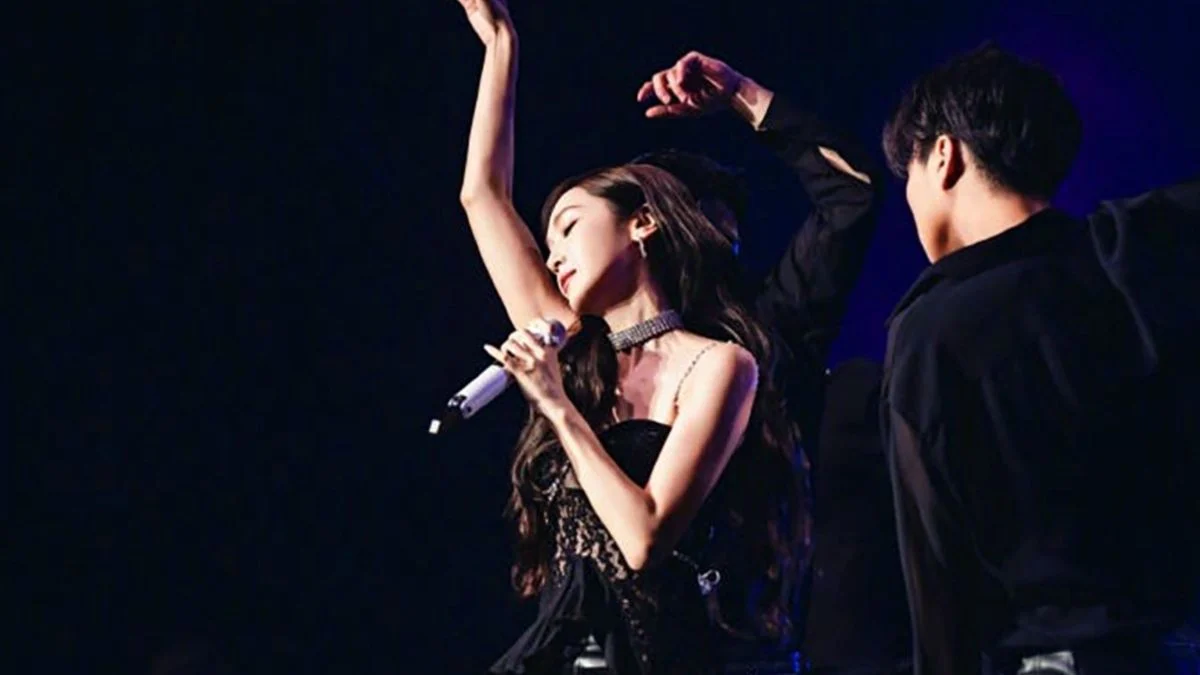
Jessica Jung’s recent concert decision has reopened one of K-pop’s most sensitive conversations. During her 2026 Reflections tour, the former Girls’ Generation member performed a medley of the group’s iconic songs, prompting sharp criticism from parts of the Korean online community while drawing emotional support from longtime fans.
The reaction highlights how unresolved history continues to shape public perception more than a decade after her departure.
What Happened at the Reflections Tour
At her January 2026 concert dates, Jessica included a Girls’ Generation medley featuring songs such as Gee, Genie, I Got a Boy, and Into the New World. This marked her first public performance of the group’s music since leaving in 2014.
The moment carried extra weight due to a VCR segment that played during the show. It featured archival footage from her years in the group and showed all nine original members without edits or visual censorship. For many fans in attendance, the sequence felt reflective rather than provocative.
Jessica addressed the meaning behind the concert title by framing it as a personal timeline rather than a rewrite of history. She described the show as an acknowledgment of every version of herself that shaped her present career.

Why the Backlash Intensified Online
Despite positive reactions from international audiences and concertgoers, some Korean netizens voiced strong objections. Critics questioned her right to perform Girls’ Generation songs, arguing that she should distance herself from the group she left years ago.
Several comments accused her of revisiting the past for attention, while others took aim at her vocal delivery and performance choices. A recurring sentiment suggested that her continued association with Girls’ Generation invited unnecessary controversy.
This criticism reflects a deeper discomfort rather than a single performance choice. For some, the unresolved nature of her exit still defines the narrative.
A Decade-Old Departure Still Shapes Perception
Jessica debuted with Girls’ Generation in 2007 and left the group in 2014 following public statements about scheduling conflicts and agency disagreements. Since then, she has built a solo career in music, fashion, and publishing.
Yet public opinion around her departure never fully settled. Each reference to Girls’ Generation tends to reignite debate, especially in domestic spaces where loyalty to group identity often outweighs individual perspective.
Her performance did not introduce new claims or commentary. It simply revisited music that defined her early career. For critics, that distinction did not soften the response.

Fans See Reflection, Not Rewriting
Supporters interpreted the setlist as a form of ownership rather than provocation. Many noted that the songs represent years of work, shared memories, and cultural impact that Jessica helped create.
Clips from the concert spread quickly across social platforms, with fans praising the emotional delivery and audience fanchants. For them, the performance honored a shared past without attempting to rewrite it.
This divide shows how one artistic choice can carry radically different meanings depending on perspective.
More Trending Stories:


Leave a Reply