

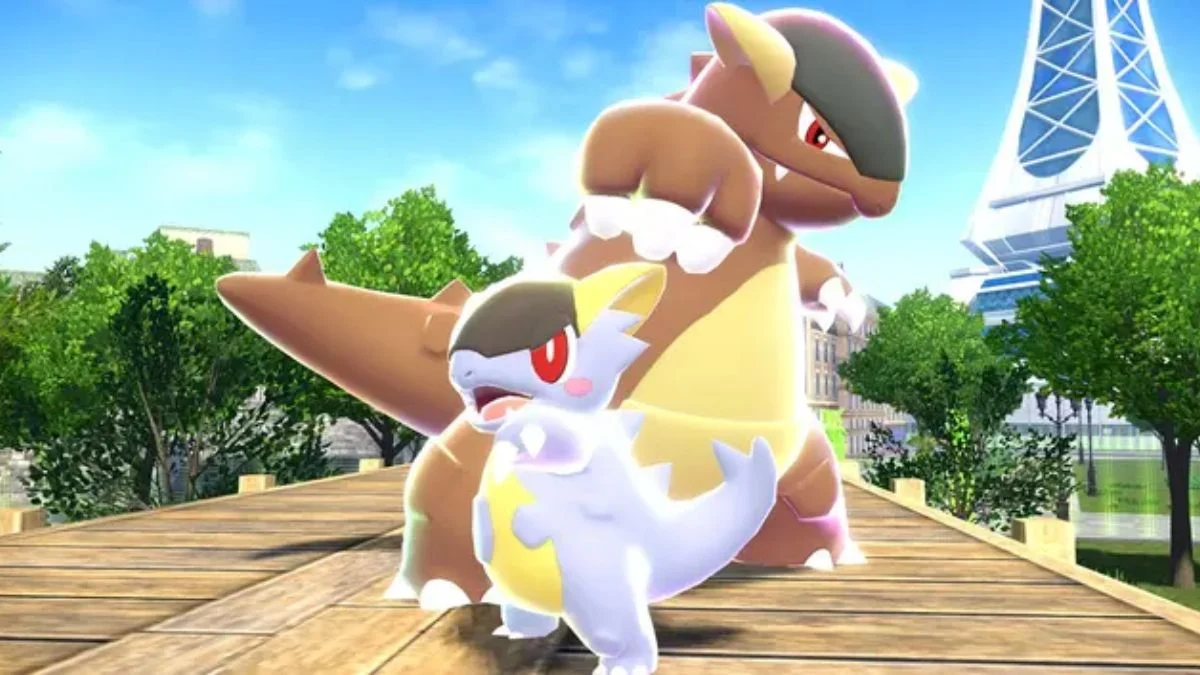
Both Pokémon Legends Z-A and Digimon Story: Time Stranger have set the monster-taming communities ablaze. Each launched to impressive Metacritic scores, yet the conversation around them couldn’t be more divided. Pokémon fans argue that Z-A is the franchise’s most daring experiment in years, while Digimon supporters celebrate Time Stranger as the long-awaited return of heartfelt storytelling and genuine innovation.
So which game truly stands taller in 2025’s landscape of creature RPGs? Let’s compare them across every meaningful aspect — from gameplay systems to emotional storytelling — and see where the future of monster-taming might really lie.
Pokémon Legends Z-A vs Digimon Story
World Design and Atmosphere
Pokémon Legends Z-A offers a futuristic Lumiose City reborn, brimming with mechanical flair and urban mystery. It feels smaller than the open fields of Arceus, but more vertical and alive, with a deeper focus on human-Pokémon coexistence. Yet, while the city’s concept is brilliant, its execution often feels hollow — players wander through empty plazas and stiff NPC interactions that remind us of Game Freak’s limited world-building ambitions.
Meanwhile, Digimon Story: Time Stranger transports players to a neon-lit cyber metaverse where digital creatures roam, trade, and battle freely. Each district feels distinct, bustling with character animation and ambient activity. You don’t just explore — you observe the world evolve, as Digimon interact naturally with the environment. It’s a world that feels lived-in, not assembled.
Verdict: Time Stranger captures immersion better, while Z-A captures potential.
Gameplay and Combat Systems
The combat in Pokémon Legends Z-A refines what Arceus started — fluid transitions between exploration and battle, real-time dodge mechanics, and a reimagined turn-order system influenced by stats and strategy. The experience feels more cinematic, especially during boss encounters. Yet, many players note how Z-A struggles to balance its pacing. Some battles turn into chaotic slugfests where precision gives way to button-mashing.

On the other hand, Time Stranger evolves the Cyber Sleuth formula into a tactical JRPG hybrid. The turn-based system allows for layered strategy: combo chains, elemental syncs, and Digivolution timing can turn battles into thrilling puzzles. It feels more deliberate and rewarding — less about reflex, more about planning.
Verdict: For strategic minds, Time Stranger dominates. For those seeking action-infused spectacle, Z-A remains exciting.
Storytelling and Emotional Core
Pokémon’s strength has never been deep narrative, yet Z-A makes a clear attempt to change that. The story explores themes of technology’s role in harmony with nature, with new characters that question the morality of evolution itself. While some dialogues feel underwritten, there’s a sincerity that longtime fans appreciate.
Conversely, Time Stranger feels like a full-fledged JRPG. It weaves cyber mystery, identity, and sacrifice into a tale that treats its Digimon companions as equals — not tools. Character arcs unfold with nuance, and even side stories resonate with emotional texture.
Verdict: Time Stranger wins by heart. It tells a story with its creatures, not just about them.
Graphics and Presentation
This is where much of the controversy brews. Pokémon Legends Z-A runs at a stable 60 FPS and finally achieves smoother performance compared to Scarlet/Violet. Yet, its visuals often feel dated — flat textures, minimal lighting, and a lifeless cityscape that betrays its futuristic promise. The fashion and Pokémon animations stand out, but overall polish still lags behind industry standards for a billion-dollar franchise.
Time Stranger, built with Unreal Engine 5, looks far more detailed. Character models pop with vivid lighting, and particle effects during battles dazzle without performance dips. However, not everything is perfect — occasional clipping and unvoiced cutscenes remind players of its mid-tier production.
Verdict: Digimon’s smaller studio outshines Pokémon’s giant. Style and heart beat sheer brand power here.
Content and Replayability
Pokémon’s endless loop of catching, training, and shiny hunting gives Z-A unmatched longevity. The TM system rewards dedication, and the Mega Battle mode adds endgame replay value. It’s a collector’s paradise.
Time Stranger offers a more structured 40-hour campaign, rich with side quests and bonding events, but less open-ended after completion. Its demo availability, however, helped new players ease into the world — something Z-A notably skipped.
Verdict: Pokémon leads in replay value. Digimon leads in accessibility and storytelling closure.
Community and Reception
Both titles share the same critic score, yet their community reactions couldn’t differ more. Z-A suffers from review-bombing, fueled by long-term frustration with Game Freak’s budget and innovation gaps. Many admit it’s fun, but not enough to silence disappointment.
Time Stranger, in contrast, feels like a comeback story. Fans call it “the smaller franchise that could,” praising its ambition and care despite limited resources. It’s not flawless, but it feels earnest — a word rarely used for major franchises anymore.
Verdict: Pokémon earns appreciation for effort. Digimon earns love for authenticity.
Final Verdict — Which Game Truly Wins?
If you grew up dreaming of being a Pokémon Trainer, Legends Z-A rekindles that spark with flashes of brilliance and familiar comfort. Yet, Digimon Story: Time Stranger surpasses expectations with deeper storytelling, sharper design, and genuine soul.
In 2025, Pokémon Legends Z-A feels like the beginning of change, while Digimon Story: Time Stranger feels like the fulfillment of one.
Winner: Digimon Story: Time Stranger — by heart, depth, and daring.
Still, both games remind us that the world of monster-taming thrives not on nostalgia, but evolution — in art, in storytelling, and in how we connect with the creatures we love.
More Trending Game Guides:


Leave a Reply