

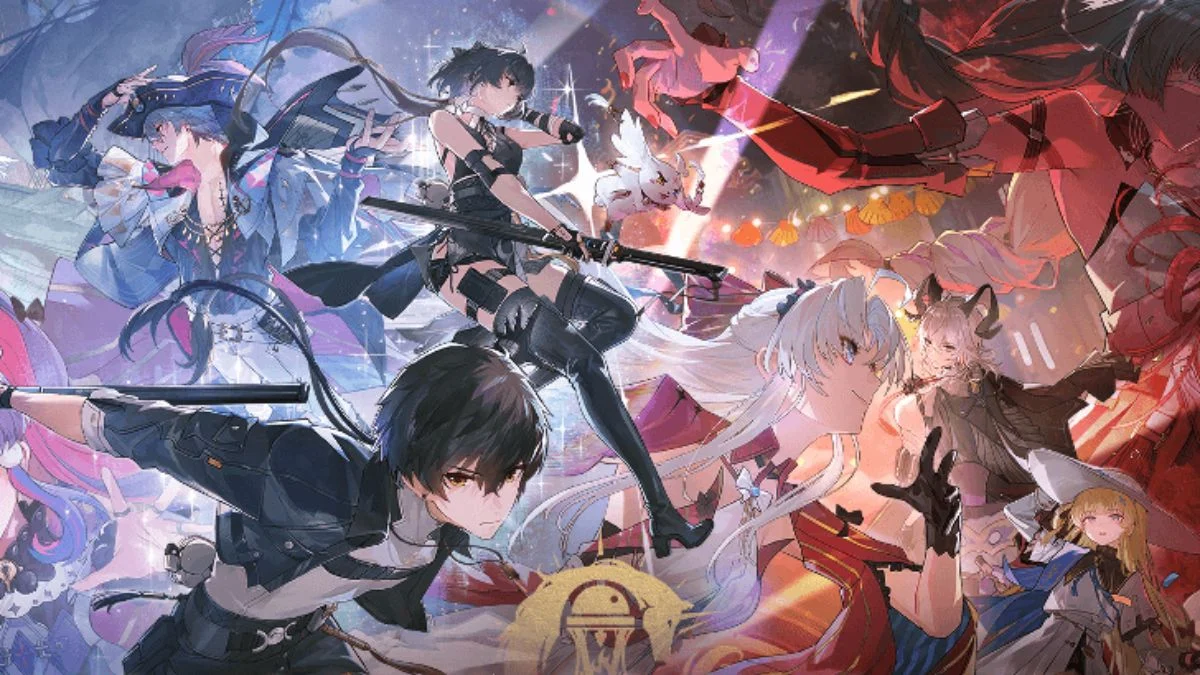
Wuthering Waves is one of those games that blur first impressions. You see the parries, aerial strings, and fast swaps, and immediately think character action game, not pull-based RPG. But once you open the menus and notice the banners, a familiar question appears: is Wuthering Waves actually a gacha game, or is it simply borrowing the format?
The question is interesting because the system stays quiet in the background. You can explore, experiment, and progress for a long time before the gacha mechanics begin to feel important. This article explains where Wuthering Waves uses classic gacha design, where it distances itself from it, and what that balance means for new players.
What Makes Wuthering Waves a Gacha Game?
A gacha game relies on chance-based pulls for rare characters or equipment. Wuthering Waves follows this model. You earn or purchase premium currency, spend it on banners, and roll for limited characters or weapons. This framework places the game firmly within the gacha category.
That said, the moment-to-moment experience focuses far more on combat and exploration, which reduces how intrusive the gacha layer feels.
How Wuthering Waves Approaches Its Gacha System
Even with its gacha structure, Wuthering Waves presents it in a way that feels more accessible and less demanding than many other titles in the genre.
Character Appeal and Variety
Characters are defined by unique animations, combos, and combat rhythms. Pulling a new unit feels like unlocking a new playstyle, not simply acquiring a more powerful stat line. This helps soften the pressure to chase specific units.
A Combat System That Rewards Skill
Timing, dodging, juggling, and Concerto switching give the game a strong skill curve. Most encounters can be cleared through execution rather than by relying on high-rarity characters. This creates a sense of fairness even for players without lucky pulls.
A Gentler Introduction for Non-Gacha Players
Wuthering Waves does not overwhelm new players with monetization prompts. The early story, exploration, and events remain playable with the free or early-game roster. This makes the game approachable for players who usually avoid gacha systems.
Where the Gacha Structure Becomes Unavoidable
While the system stays subtle at first, it becomes more visible as you progress.
Character and Weapon Pulls
Limited banners contain powerful resonators and signature weapons. These are the primary sources of top-tier upgrades, and players who enjoy experimenting with different playstyles will naturally interact with the banners more.
Echo Optimization
Echoes function like a gear system. They are not obtained through banners, but they still rely on luck because of stat and cost variations. This creates a familiar loop for players coming from other RPGs with random gear rolls.
Endgame Efficiency
High-level challenges and timed content highlight the value of optimized characters and well-rolled Echoes. Skill remains important, but upgraded units create a noticeably smoother experience.
Why Players Still Debate the Label
Some people view Wuthering Waves as a polished gacha game with strong action combat. Others see it as an action RPG that simply uses gacha mechanics for character acquisition. Both views make sense because the game blends both styles instead of relying entirely on one.
It clearly meets the criteria for a gacha game. Yet the core experience focuses on engaging combat, expressive characters, and exploration rather than constant pushing toward the banners.
More Trending Game Guides & News:


Leave a Reply