
I’ve been with Hades II since its early access launch, watching it evolve from a promising but rough sequel into the polished masterpiece it is today. Over the past eighteen months, I’ve witnessed Supergiant Games methodically refine every aspect of the experience, from combat balance tweaks to narrative expansions that have transformed my understanding of the game’s world.
Having played through multiple major updates, I can confidently say that version 1.0 represents not just the completion of early access, but the realization of a vision that has consistently grown more ambitious and refined with each iteration. What started as a solid foundation has become something that genuinely surpasses its predecessor in ways I couldn’t have imagined when I first stepped into the Crossroads.
This Actually Feels Like Coming Home
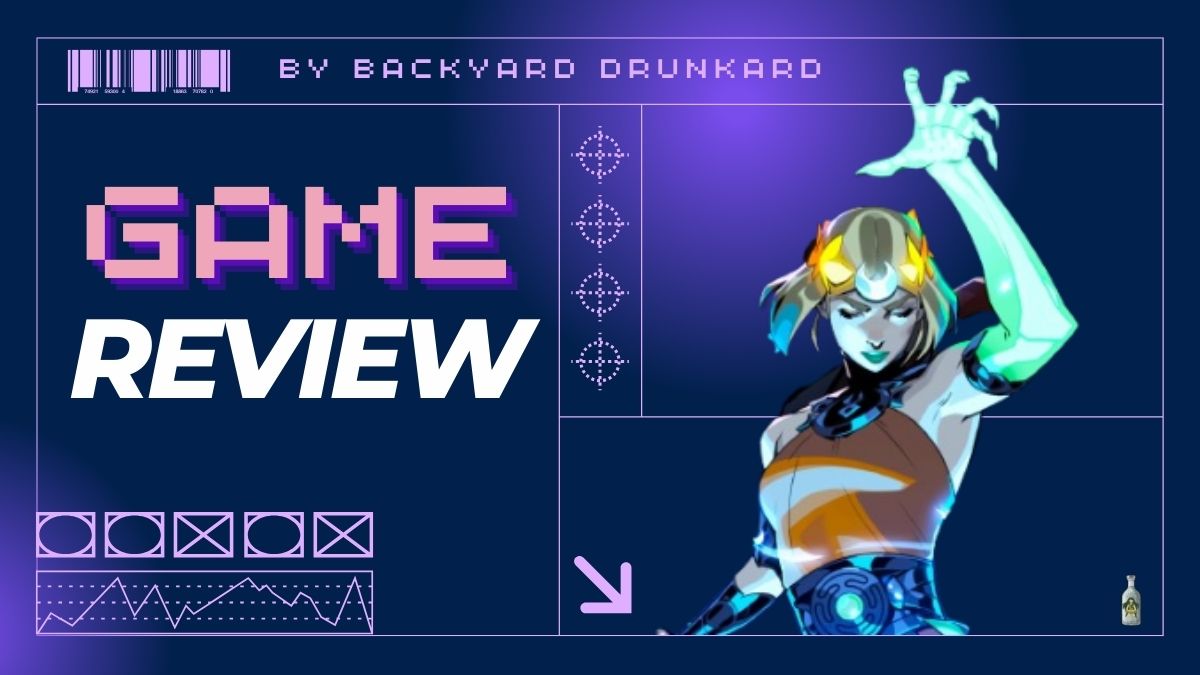
There’s something profoundly comforting about sliding back into the world of Hades, yet everything feels refreshingly different. Playing as Melinoë instead of Zagreus creates an entirely new emotional landscape. Where her brother was brash and rebellious, she carries herself with a mystical gravitas that transforms every interaction. The role reversal is brilliant: instead of escaping the underworld, we’re fighting to save it.

Watching this narrative develop through early access updates has been fascinating. Each major patch didn’t just add content but deepened the emotional stakes and character relationships in ways that felt organic rather than tacked on.
What impressed me most was how the narrative never feels repetitive despite the roguelike structure. Each death brings new dialogue, deeper character development, and meaningful progression in understanding the larger story. It’s storytelling that respects both the medium and the player’s time.
Combat Has Grown Up Beautifully
The combat evolution here is masterful. This isn’t just Hades with new weapons; it’s a complete reimagining of how combat flow should feel. Melinoë fights like a witch-warrior, blending melee strikes with magical abilities in ways that feel genuinely tactical rather than button-mashy.

Having experienced the early access combat iterations, I can appreciate how carefully Supergiant balanced these systems. What started as potentially overwhelming complexity has been refined into intuitive depth.

Might Interest You: Hollow Knight: Silksong Review – A Beautiful, Demanding Journey
Core Combat Mechanics
- Mana System: Magic abilities now consume mana, forcing resource management decisions mid-combat
- Reworked Cast: No longer just projectiles, but battlefield control tools that shape entire encounters
- Weapon Transformations: Each weapon evolves dramatically with upgrades, essentially becoming different tools entirely
- Crowd Control Focus: Combat rewards positioning and area denial over pure DPS
Mastery That Actually Means Something
- The skill ceiling feels significantly higher without becoming intimidating
- Dash-attack spam is dead (long live tactical thinking)
- Boss encounters now demand pattern recognition, resource conservation, and strategic use of environmental advantages
- When you finally master a particularly challenging boss, the satisfaction runs deeper than simple muscle memory
Build Diversity That Surpasses the Original
- Boon variety and synergies create build diversity that surpasses the first game
- Apollo’s precision-focused abilities feel completely different from Hestia’s burn-everything approach
- New gods like Hephaestus add entirely fresh mechanical concepts
- The elemental affinities system creates natural synergies that feel rewarding to discover rather than mandatory to memorize
This World Deserves Every Screenshot
Supergiant has outdone itself visually. The expanded biomes aren’t just larger; they’re more dynamic and varied. Erebus feels genuinely unsettling with its shadowy depths, while the path toward Olympus carries an ascending sense of hope and grandeur. Environmental storytelling reaches new sophistication here.

The character animations deserve special mention. Every portrait feels alive with subtle movements that bring personality to static images. Melinoë’s casting animations flow with balletic grace, while each god’s visual design perfectly captures their mythological essence with Supergiant’s signature artistic flair.
Darren Korb’s soundtrack somehow surpasses his previous work. The music blends ethereal, mystical themes with driving combat tracks that never feel repetitive across dozens of hours. Scylla and the Sirens’ boss fight song stands as a particular highlight, a rock number that perfectly captures the chaotic energy of that encounter.
The Blessing and Curse of Ambition
Here’s where Hades II stumbles slightly under the weight of its own ambitions. The progression systems, while individually well-designed, create a web of currencies and upgrades that can feel overwhelming. Between Arcana cards, farming mechanics, resource trading, spell crafting, and traditional weapon upgrades, the space between runs sometimes feels more like administrative work than exciting progression.
I remember when some of these systems were first introduced during early access, and while they’ve been significantly streamlined since then, the complexity can still feel daunting for newcomers.

Resource Management Complexity
- Multiple Currencies: Gold, various mystical materials, seeds, and crafting components
- Farming System: Plant growth timers and harvest management
- Arcana Cards: Powerful perks requiring specific unlock conditions
- Spell Crafting: Custom ability creation through resource expenditure
The pacing occasionally suffers from this complexity. Early to mid-game progression can feel artificially gated by resource scarcity, creating moments where you’re grinding specific materials rather than simply enjoying runs. Some bosses feel like insurmountable walls until a specific upgrade or breakthrough suddenly trivializes them.
This isn’t game-breaking, but it does create friction that the original’s more streamlined progression avoided. The abundance of systems sometimes distracts from the core joy of combat and exploration.
This Game Refuses to Let Me Stop Playing

Despite these complexity concerns, the dual-path structure brilliantly addresses one of roguelikes’ biggest challenges: repetition. The endgame content here puts most AAA games to shame, while technical performance impresses across platforms:
Dual-Path Genius
- Having both underworld and Olympus routes doubles the variety while maintaining focused progression
- Each path feels meaningfully different in tone, enemy design, and mechanical challenges
- Routes prevent the staleness that often plagues extended roguelike sessions
Endgame Excellence
- Post-credits challenges provide genuine reasons to keep playing long after seeing the initial ending
- Continued character arcs maintain narrative momentum beyond the main story
- Layered upgrade systems create meaningful long-term progression
- I’m 60+ hours in and still discovering new dialogue combinations and build synergies
Technical Performance
- PC runs flawlessly with smooth framerates and visual fidelity
- Switch 2 version maintains impressive visual quality and performance
- Original Switch handles it admirably overall
- Handheld mode can occasionally feel visually cluttered during intense encounters
Why This Journey Has Been Worth Every Update
Hades II succeeds because it understands what made the original special while having the confidence to expand meaningfully. This isn’t a cash grab or a simple content expansion; it’s a genuine evolution that respects its source while pushing into new territory.

The game raises interesting questions about sequel design. Should developers constantly chase innovation, or is there value in perfecting existing formulas? Hades II suggests the answer isn’t either/or but both: innovate where it serves the experience, refine what already works brilliantly.
What strikes me most is how this feels like Supergiant’s most confident work. They know their strengths and lean into them while experimenting in meaningful ways. The result is a game that feels both comfortably familiar and genuinely fresh.
Rating: 9.5/10
More Trending News & Reviews:


Leave a Reply