

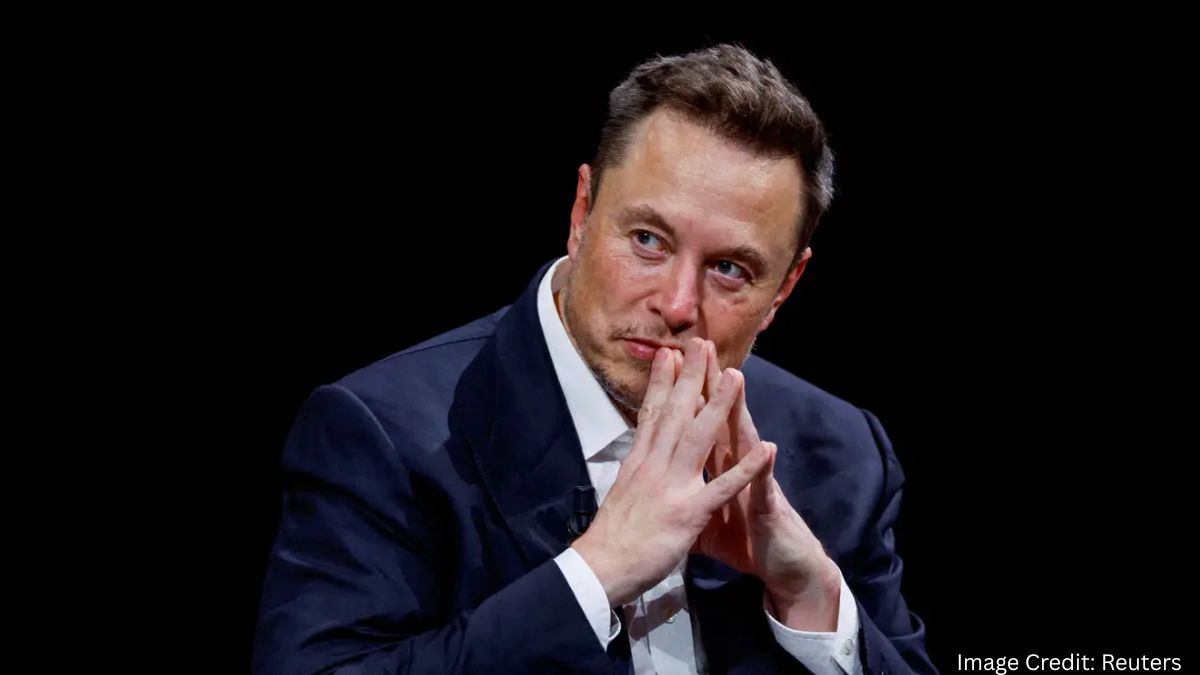
Tech billionaire Elon Musk has ignited a fresh cultural firestorm after publicly urging users to cancel their Netflix subscriptions. The call, made via social media, has since triggered a wave of cancellations, trending hashtags, a stock market dip, and a renewed debate on free speech, representation, and the role of streaming platforms in shaping children’s content.

What Sparked Elon Musk’s Netflix Boycott?
The controversy began when screenshots of comments by Hamish Steele, the creator of Netflix’s animated show Dead End: Paranormal Park, went viral.
- Steele allegedly mocked conservative activist Charlie Kirk’s death, calling him a “random Nazi” in a now-deleted post.
- Outrage spread among right-leaning communities, with critics accusing Netflix of platforming creators who “celebrate violence.”
Although Dead End: Paranormal Park was canceled back in 2023 after two seasons, the resurfaced screenshots reignited backlash, with many accusing Netflix of pushing “woke ideology” onto children through shows that spotlight transgender and LGBTQ+ characters.
Elon Musk Joins the Call: “Cancel Netflix for the Health of Your Kids”
The tipping point came when conservative commentator Matt Van Swol tweeted:
“Just cancelled my Netflix subscription. If you employ someone who celebrated the murder of Charlie Kirk … you will NEVER get a dime of my money.”
In response, Elon Musk replied “Same,” confirming that he too had canceled his subscription.
Shortly after, Musk escalated his stance, warning parents directly:
“Cancel Netflix for the health of your kids.”
This statement not only amplified the outrage but also reframed it as a moral and parental issue — suggesting that Netflix’s content was harmful for children.
Netflix Faces Immediate Fallout
The ripple effects were quick:
- #CancelNetflix trended worldwide, with thousands of users sharing screenshots of their canceled subscriptions.
- Netflix stock slipped around 2% in intraday trading, wiping billions from its market cap in a single day.
- Some reports even claimed losses as high as $15 billion, though analysts caution these numbers may exaggerate short-term market shifts.
For Netflix, already facing growing competition from Disney+, Amazon Prime, and emerging platforms, the Musk-led boycott added fresh pressure on its reputation and subscriber growth.
Why Is Musk Taking This Stand?
This isn’t the first time Musk has clashed with media over what he calls the “woke mind virus.” His motives appear to be shaped by several factors:
- Cultural Ideology – Musk has consistently criticized what he sees as forced ideological content in entertainment.
- Parental Framing – By invoking “the health of your kids,” Musk positions his stance as protective rather than purely political.
- Personal Connection – Musk has previously discussed tensions within his own family around gender identity, which some media link to his current activism.
- Influence and Leverage – With over 180 million followers on X, Musk’s endorsements or boycotts carry enormous market impact, making his protest more than symbolic.

Supporters vs. Critics: A Divided Response
- Supporters of Musk argue that Netflix has gone too far in pushing “ideological agendas” into children’s content and applaud the boycott as a wake-up call.
- Critics of Musk counter that he is fueling a culture war, unfairly targeting transgender and LGBTQ+ representation, and exaggerating claims about harm.
- Some note that Dead End: Paranormal Park was already canceled two years ago, suggesting the backlash is retroactive and politically staged.
What This Means for Netflix and Streaming
This controversy highlights how streaming platforms are increasingly caught in cultural battles. As Netflix expands globally, it faces challenges in balancing inclusive storytelling with backlash from political and cultural critics.
For now, the Musk-led boycott has undeniably:
- Shaken investor confidence.
- Sparked fresh debate on media responsibility.
- Raised questions about whether creators’ personal statements should impact their employment or platforming.
Final Word
Elon Musk’s call to “cancel Netflix” is more than a personal boycott — it’s a symbolic strike in the ongoing culture wars over media, representation, and parental influence. While Netflix has yet to issue an official response, the controversy has already left a mark on both Wall Street and social media.
As the hashtag #CancelNetflix continues to trend, the bigger question remains: Will Netflix double down on inclusive content, or will mounting pressure from influential voices like Musk reshape its future direction?
More Trending Stories:


Leave a Reply