

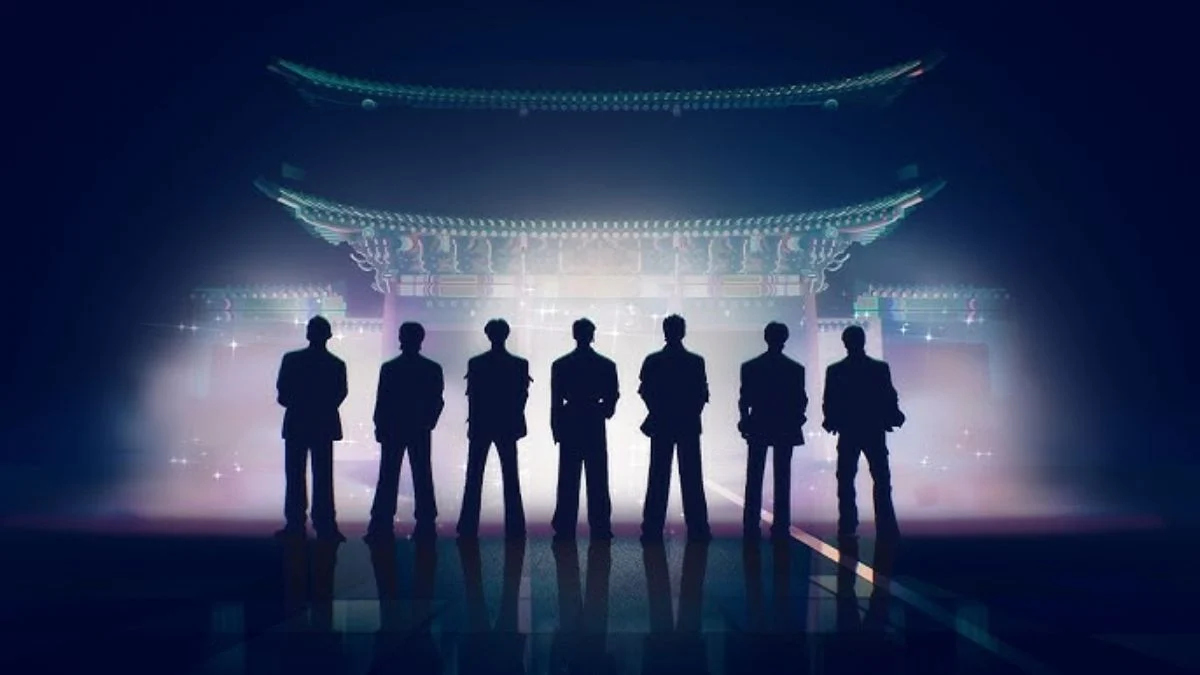
“Body to Body” opens BTS’s fifth studio album ARIRANG as Track 1, released on March 20, 2026, under BIGHIT MUSIC.
“Body to Body” sets the tone for the entire ARIRANG album from its very first moment. It is a high-energy, crowd-focused anthem designed specifically for live performance, and it wastes no time making that intention clear. Here is a full breakdown of what the song means, who made it, and why that one musical moment in the bridge has left ARMY completely undone.
“Body to Body” Song Details at a Glance
| Detail | Info |
| Song Title | Body to Body |
| Album | ARIRANG |
| Track Number | 1 |
| Track Length | ~3:09 |
| Release Date | March 20, 2026 |
| Label | BIGHIT MUSIC (distributed by HYBE and YG PLUS) |
| Genre | Electronic-Pop (with jersey club and trap influences) |
What Is “Body to Body” About?
The song operates on a simple but powerful idea: real, physical presence in a shared moment. At its core, “Body to Body” is a celebration of being together with other people, in the same space, at the same time, with no barriers between you.
The opening lines set this up immediately. BTS calls for the entire stadium to jump, asks the crowd to put their phones down, and shifts the focus from documentation to participation. The message is clear: this moment is for living, not for recording.
The phrase “body to body” itself functions as a metaphor for raw, unfiltered human energy and connection. In an era where so much interaction happens through screens and digital spaces, the song pushes back and insists on the value of being physically present with other people. The line “skin to skin” reinforces this, stripping away anything performative or mediated and asking for genuine closeness.
There is also a geographic dimension to the lyrics. The reference to everywhere to Korea grounds the song in BTS’s specific identity and journey, acknowledging that their reach is global while their roots remain fixed. The call to put away guns, knives, and keyboards and to empty hatred adds a layer of genuine social commentary, calling for connection over conflict in whatever form conflict takes.
The song also carries a deeply personal layer for ARMY specifically. Coming off the period of BTS’s military service hiatus, “Body to Body” functions as a direct address to the fanbase. RM described the song in interviews as “a declaration to enjoy the moment together with the audience in the concert venue.” The energy it builds is not abstract. It is the feeling of reunion after absence, and every production choice serves that goal.

The “Arirang” Bridge: Why It Hits So Hard
The most discussed moment in the song is the bridge, where the traditional Korean folk song “Arirang” appears woven directly into the production. The verse used carries themes of separation, longing, and the endurance of distance.
The standard English translation of those lines reads:
“Arirang, arirang, arariyo
Crossing over the Arirang pass
The one who leaves me behind
Won’t go ten miles before their feet hurt.”
That final image, of the person who leaves suffering sore feet before they even get far, is notable. Many fans and cultural commentators read it as a kind of karmic justice for abandonment, which ties directly into the ARIRANG album’s broader themes of distance, resilience, and return.
Hearing these lines placed inside a high-energy electronic anthem creates a striking contrast. The song moves from a stadium-scale call to jump and celebrate, and then suddenly drops into something centuries old, quiet, and deeply Korean. The effect is intentional and immediate.
For Korean listeners and the broader ARMY community, that shift lands differently. “Arirang” is not just a song in Korean culture. It is a cultural touchstone, one of the earliest Korean songs ever recorded internationally, first documented in 1896, carrying historical weight that goes well beyond its melody. Embedding it here signals that BTS’s return is not just a musical comeback. It is a statement about identity and where they come from.
Fan reactions across YouTube and Reddit have described the bridge as the “most Korean” moment on an otherwise globally produced album, with Korean listeners in particular noting the emotional contrast of hearing something so deeply familiar inside a track engineered for global dance floors. Several fans have noted that even without understanding Korean, the tonal shift in the music alone creates a visceral reaction. That is by design.
Why “Body to Body” Opens the Album
Placing “Body to Body” as Track 1 on ARIRANG is a deliberate structural choice. The album’s first half is louder and more outward-facing, designed to meet the audience where they are, in stadiums, in celebration, in reunion. “Body to Body” captures all of that in one track.
It also functions as a mission statement. Before ARIRANG takes its more introspective turn in the second half, “Body to Body” establishes what BTS wants this era to feel like: physical, present, and shared. The song is essentially a live performance delivered on record, building on past BTS stadium anthems in spirit while pushing further into electronic and club-influenced production. It sets up everything that follows.

Who Produced “Body to Body”?
The production and writing credits bring together an impressive mix of global collaborators alongside BTS’s own rap line.
| Role | Contributors |
| Producers | Diplo, Ryan Tedder, Maxime Picard (Picard Brothers), Akira Akira, Pdogg |
| Songwriters | RM, SUGA, j-hope, Teezo Touchdown, Kirsten Spencer, Ryan Tedder, Diplo, Maxime Picard, Akira Akira, Pdogg |
The result is a sound that sits at the intersection of global dance music and K-pop precision, leaning toward an electronic-pop and club-influenced aesthetic rather than a traditional idol structure.

Fan Reactions: How ARMY Responded to “Body to Body”
Fan responses to “Body to Body” across YouTube, Reddit, and social media reflected a genuinely varied reception, with strong feelings on multiple sides.
On the production style: The global collaboration drew praise from fans who felt the electronic-pop direction represented a confident evolution for BTS. At the same time, some listeners felt the heavy producer presence made the song sound less distinctly BTS than they had hoped from an album opener. Both reactions appeared in roughly equal measure across fan communities, and neither camp was particularly quiet about it.
On the “Arirang” bridge: This was the moment that generated the most discussion, and reactions split fairly evenly. Many listeners found the shift from club-energy production into traditional folk melody genuinely moving, describing it as the emotional centrepiece of the track. Others found the contrast abrupt on first listen and needed multiple plays before the transition felt intentional rather than disjointed. Most fans on both sides agreed that the moment becomes more powerful with repeated listens, even if the initial reaction varied.
On the live performance framing: The stadium-ready energy resonated strongly with fans anticipating the Gwanghwamun concert, with many predicting it will be a defining live moment. However, some listeners noted the track feels more purposeful in a live context than as a standalone recorded song, and questioned its replay value outside of that setting.
On the reunion sentiment: Long-time ARMY members connected deeply with the track’s emotional weight after the hiatus period. Newer fans noted a slightly different experience, feeling the song’s full emotional impact may be tied to having shared the waiting period, though many still found it an energising and well-crafted opener regardless.
On overall reception: The song trended on YouTube within hours of release without an official music video, which fans across both camps acknowledged as meaningful. Whether “Body to Body” lands as a personal favourite or not, most listeners agreed it accomplishes what a Track 1 is supposed to do: it announces that BTS is back and sets the energy for everything that follows.


Leave a Reply