

हिंदी में पढ़ें: चुड़ैल भाग II: सेलम का पागलपन में पतन – जब स्वर्ग नरक बन गया
In the winter of 1692, the small Puritan village of Salem would become the epicenter of the most notorious witch hunt in American history. What began with the strange afflictions of two young girls would spiral into a community-wide nightmare that would claim 20 lives and shatter the very soul of New England.
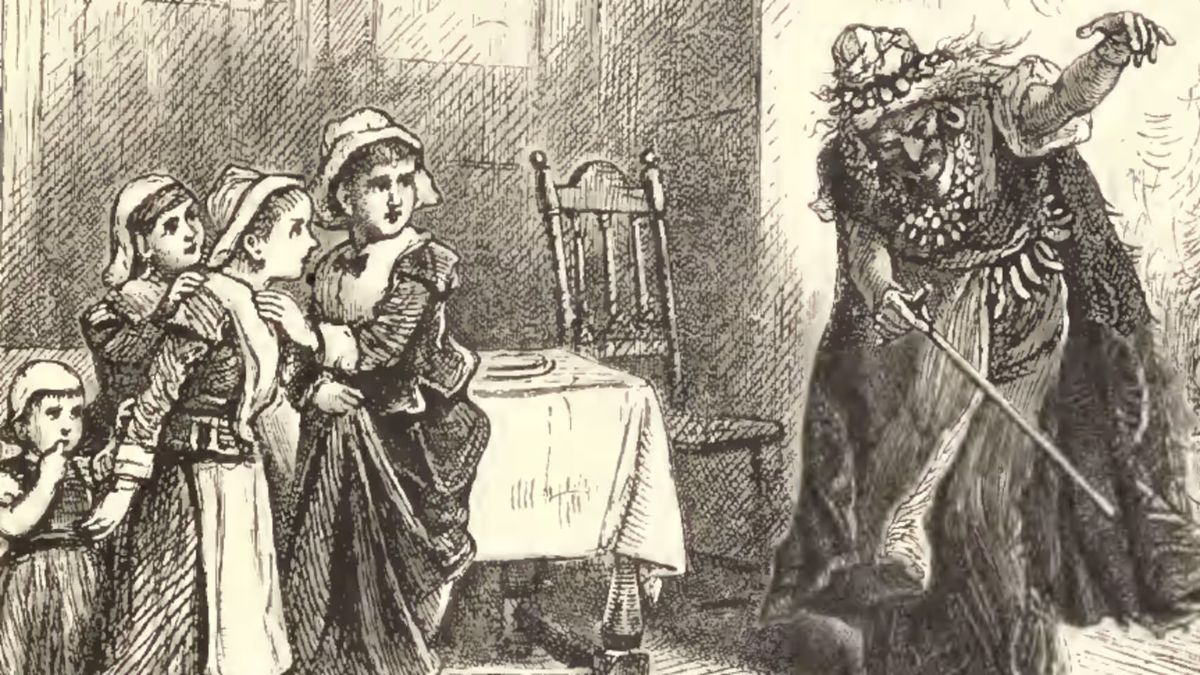
The first screams pierced the bitter February air in the parsonage of Reverend Samuel Parris. His nine-year-old daughter, Betty, and eleven-year-old niece, Abigail Williams, had begun exhibiting terrifying symptoms—violent convulsions, incomprehensible babbling, and contortions that seemed to defy human anatomy. The local physician, William Griggs, examined the girls and delivered a diagnosis that would doom an entire community: “The evil hand is upon them.”

In Case You Missed The Part 1:
The Witch: A Haunting History of Fear, Death, and Persecution
The Spark That Ignited Hell
The Salem witchcraft trials began not with evidence, but with the desperate accusations of tormented children. Under intense pressure from their elders, Betty and Abigail named their tormentors: Tituba, a Caribbean slave in the Parris household; Sarah Good, a homeless beggar; and Sarah Osborne, a woman who had scandalized the community by living with a man before marriage.

The choice of these first victims was no coincidence. Tituba was an outsider, a woman of color in a white Puritan society. Sarah Good was destitute and dependent on community charity. Sarah Osborne had violated social norms. They were perfect scapegoats—powerless women whom the community could sacrifice without loss.
But Salem’s appetite for blood had only just awakened.
The Contagion of Fear
What happened next defied all reason. The afflictions spread like wildfire through Salem’s young women. Ann Putnam Jr., Mercy Lewis, Elizabeth Hubbard, and others began experiencing the same torments. They writhed in agony during church services, claiming invisible specters were pinching, biting, and choking them. Their accusations grew bolder, reaching toward more prominent community members.

The witch hunters of Salem were different from their European counterparts. They were neighbors, friends, and family members turned prosecutors. The colonial courts abandoned centuries of legal precedent, accepting “spectral evidence”—testimony that the accused person’s spirit had appeared to the victim in dreams or visions. This supernatural testimony became the cornerstone of Salem’s perverted justice system.
The Theater of Death
The courthouse became a stage for the most macabre performances in American history. When the accused were brought before the magistrates, the afflicted girls would immediately fall into convulsions, screaming that the defendant’s specter was attacking them. If the accused maintained their innocence, the girls’ torments would intensify. If they confessed, the girls would find momentary peace.

Bridget Bishop, the first to be executed, faced her accusers with dignity that only seemed to inflame their fury. She was hanged on Gallows Hill on June 10, 1692, the first of twenty souls who would meet their end on that cursed ground. Her witch house—the structure where she lived and which still stands today—became a symbol of Salem’s madness.
The Widening Gyre
As summer turned to autumn, the accusations grew increasingly wild. The afflicted girls pointed fingers at Rebecca Nurse, a 71-year-old woman renowned for her piety and charity. They accused George Burroughs, a former Salem minister, of being the “ringleader” of the witch conspiracy. Even the wife of Governor William Phips fell under suspicion.

The witch books that prosecutors claimed to have discovered were often nothing more than common household items—recipe collections, herbal remedies, or religious texts. Any woman who possessed knowledge of healing herbs was branded a kitchen witch and marked for death. The very act of helping sick neighbors or easing childbirth pain became evidence of demonic pacts.
The Machinery of Madness
The Salem trials revealed the horrifying efficiency of mass hysteria. Cotton Mather, the influential Puritan minister, wrote extensively about the trials, creating a body of witchcraft books that would influence American supernatural beliefs for generations. His work, “Wonders of the Invisible World,” justified the executions and claimed that Salem was under siege by Satan’s army.

The prison conditions were themselves a form of torture. Accused witches were chained in dark, freezing cells, forced to pay for their own imprisonment. Many died in captivity before they could be tried. Sarah Osborne perished in Boston jail, her body broken by months of confinement.
The Unraveling
The end came not through mercy, but through the inevitable expansion of madness. When the accusations reached the wives of prominent ministers and merchants, when the afflicted girls began claiming that Lady Phips herself was a witch, the powerful men of Massachusetts finally recognized the monster they had created.

Increase Mather, Cotton’s father, delivered a sermon that would help end the trials: “It were better that ten suspected witches should escape than that one innocent person should be condemned.” The court of Oyer and Terminer was dissolved, and the remaining accused were pardoned.
But the damage was irreparable. Twenty people had died, over 200 had been imprisoned, and an entire community had been torn apart by supernatural terror. The witch spells that had supposedly plagued Salem were revealed to be nothing more than the poisonous enchantments of fear, prejudice, and mass hysteria.
The Lingering Curse
The Salem witch trials exposed the darkest aspects of colonial American society—its treatment of women, its fear of the other, and its willingness to abandon justice in the face of supernatural terror. The trials revealed how quickly a community could transform from a place of supposed Christian virtue into a killing ground where neighbors betrayed neighbors and children condemned their elders to death.

The specter of Salem would haunt American consciousness for centuries, a reminder of what happens when fear conquers reason and when the innocent become sacrificial offerings to society’s deepest anxieties.
But Salem was not the end of the witch’s story. The fear and persecution would evolve, adapt, and find new forms in the modern world. In Part III, we will explore how the witch hunt mentality survived into the 21st century and why the specter of the witch continues to terrorize societies across the globe.
Continue reading to discover how witch hunts transformed from supernatural terror to modern-day persecution, and how the legacy of Salem continues to shape our world today…
References
- Boyer, Paul, and Stephen Nissenbaum. Salem Possessed: The Social Origins of Witchcraft. Harvard University Press, 1974.
- Hill, Frances. A Delusion of Satan: The Full Story of the Salem Witch Trials. Doubleday, 1995.
- Mather, Cotton. Wonders of the Invisible World. Boston: Printed by Benj. Harris for Sam. Phillips, 1693.
- Norton, Mary Beth. In the Devil’s Snare: The Salem Witchcraft Crisis of 1692. Knopf, 2002.
- Roach, Marilynne K. The Salem Witch Trials: A Day-by-Day Chronicle of a Community Under Siege. Cooper Square Press, 2002.
- Carlson, Laurie Winn. A Fever in the Heartland: The Salem Witch Trials. Ivan R. Dee, 1999.
- Hoffer, Peter Charles. The Salem Witchcraft Trials: A Legal History. University Press of Kansas, 1997.
- Reis, Elizabeth. Damned Women: Sinners and Witches in Puritan New England. Cornell University Press, 1997.
- Demos, John Putnam. Entertaining Satan: Witchcraft and the Culture of Early New England. Oxford University Press, 1982.
- Weisman, Richard. Witchcraft, Magic, and Religion in 17th-Century Massachusetts. University of Massachusetts Press, 1984.




Leave a Reply