

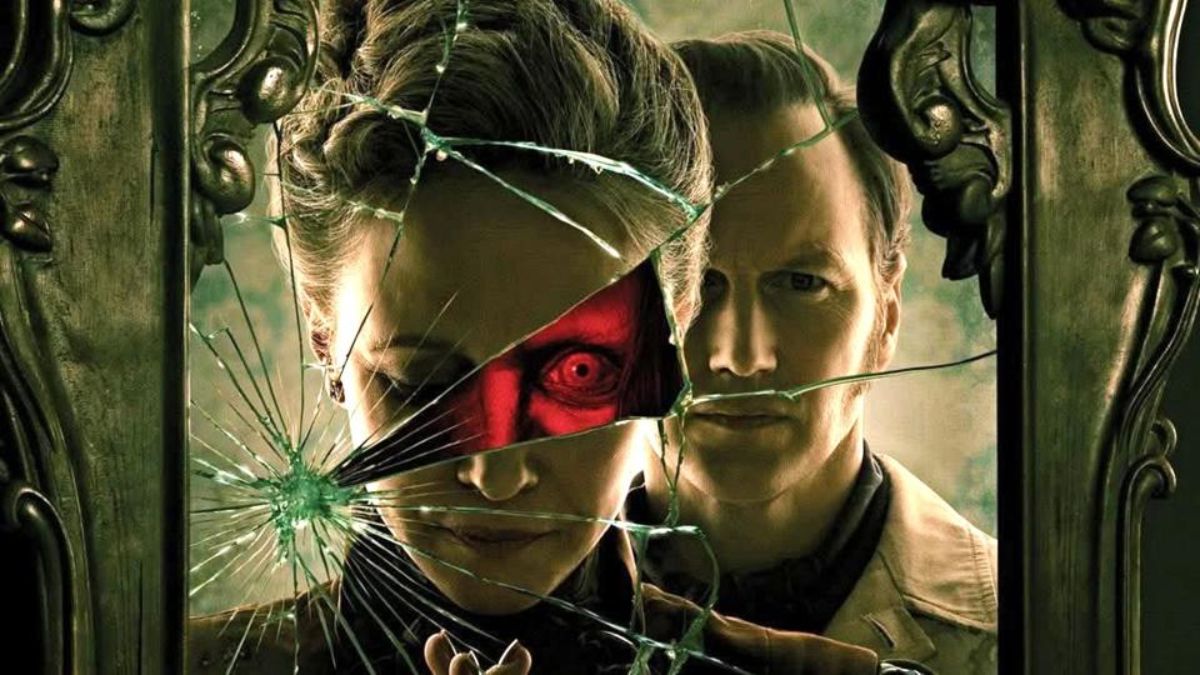
September 2025 sees the release of what may be the final chapter in the Warrens’ cinematic journey, but how much of this West Pittston nightmare actually happened?
The Horror That Gripped Pennsylvania: West Pittston’s Infamous Case
When the credits roll on “The Conjuring: Last Rites,” audiences will have witnessed what director Michael Chaves frames as Ed and Lorraine Warren’s most disturbing case—a brutal haunting that allegedly terrorized the Smurl family in 1980s Pennsylvania. But behind the Hollywood scares lies one of America’s most controversial paranormal cases, a story that divided skeptics and believers while putting the small town of West Pittston, Pennsylvania, under an unwelcome spotlight.
The film, starring Patrick Wilson and Vera Farmiga returning as the iconic paranormal investigators, promises to deliver the franchise’s trademark blend of atmospheric dread and spiritual warfare. Yet the real Smurl family case presents a far more complex narrative—one filled with media frenzy, scientific skepticism, and claims that would challenge even the most open-minded believer.
From Pennsylvania Headlines to Hollywood Horror: The Smurl Family’s Nightmare Begins
The Real Timeline: Mid-1970s to Late 1980s
Unlike the condensed timeline typical of horror films, the actual Smurl haunting allegedly spanned over a decade. Beginning in the mid-1970s, Jack and Janet Smurl, along with their children, reported increasingly disturbing phenomena in their West Pittston home. What started as unexplained noises and foul odors escalated into what the family described as violent physical attacks and psychological torment.
The case exploded into national consciousness in August 1986, when Associated Press and UPI wire services picked up the story. Local newspapers, particularly the Times Leader in nearby Wilkes-Barre, provided extensive coverage that would later serve as primary source material for researchers and skeptics alike.
Hollywood’s Compressed Horror vs. Pennsylvania’s Prolonged Ordeal
“The Conjuring: Last Rites” follows the franchise formula of building atmospheric tension over a two-hour runtime. The film reportedly structures the haunting in three acts: initial phenomena, escalating violence, and the Warrens’ climactic intervention. However, the real Smurl case unfolded over years, with periods of relative calm punctuated by alleged supernatural activity.
The movie’s logline describes “brutal, escalating haunting,” but contemporary accounts from the 1980s paint a picture of a family living in sustained fear. The Smurls reported not just typical poltergeist activity—moving objects and unexplained sounds—but also claimed experiences that pushed the boundaries of traditional ghost stories.
The Claims That Shocked America: Separating Fact from Fiction
What the Historical Record Supports
Contemporary reporting from 1986-1988 consistently documented several core elements of the Smurl family’s claims:

Documented Phenomena Reports:
- Persistent unexplained noises throughout the house
- Foul, sulfurous odors with no identifiable source
- Objects allegedly moving without human intervention
- Sleep disturbances affecting multiple family members
- Temperature fluctuations in specific rooms
These basic poltergeist-type phenomena appeared in multiple independent news sources, including AP wire reports and local Pennsylvania newspapers. The family’s public testimony remained consistent across different interviews and media appearances.

The Warrens’ Verified Involvement: Ed and Lorraine Warren did indeed investigate the case, arriving in 1986 after the story gained national attention. Their involvement is well-documented through contemporary press coverage, photographs, and their own published accounts. The paranormal investigators concluded that the Smurls faced “multiple entities,” including what they classified as demonic presence.

The Extraordinary Claims: Where Evidence Gets Murky
“The Conjuring: Last Rites” reportedly doesn’t shy away from the most sensational aspects of the Smurl case—claims that pushed this story beyond typical haunting accounts:
Physical Assault Allegations: The family, particularly Janet Smurl, reported physical attacks by unseen forces. Most controversially, they alleged sexual assault by supernatural entities. While these claims were widely reported in 1986-1988 media coverage, they remained unsubstantiated by independent witnesses or physical evidence.
Multiple Exorcism Attempts: Both the film and historical accounts describe several attempts at spiritual intervention. The Smurls and Warrens claimed multiple exorcism ceremonies were performed, with varying degrees of success. Local diocesan records and contemporary reporting confirm that Catholic clergy became involved, though the exact nature and number of formal exorcisms remain disputed.
The Vatican Connection: Hollywood Drama vs. Historical Ambiguity
One of the most persistent elements in both modern retellings and “The Conjuring: Last Rites” involves alleged Vatican intervention. Popular accounts claim that Cardinal Joseph Ratzinger (later Pope Benedict XVI) personally authorized a Vatican exorcist to travel to West Pittston.
The Evidence Trail:
- Supporting the Claim: Ed and Lorraine Warren consistently maintained Vatican involvement in their public statements and published accounts. Modern articles about the case frequently cite this Vatican connection.
- The Skeptical Analysis: Paul Kurtz’s contemporaneous investigation for the Center for Inquiry found no public Vatican documentation confirming Ratzinger’s personal involvement or the dispatch of an official Vatican exorcist. Local Catholic authorities preferred diocesan procedures over direct Vatican intervention.
The Verdict: While Vatican involvement remains part of the popular narrative, no publicly accessible Vatican records have emerged to independently verify these claims. The story appears to have originated with the Warrens’ accounts and been repeated in subsequent retellings without additional documentation.
Pennsylvania Under Siege: The Media Circus and Social Fallout
West Pittston’s Unwanted Fame
The real Smurl case created chaos that extended far beyond supernatural phenomena. Once the story broke nationally in August 1986, the family’s West Pittston home became a pilgrimage site for believers, skeptics, and curiosity seekers.
Documented Social Consequences:
- Camera crews and reporters camped outside the residence
- Neighbors reported harassment and property value concerns
- Local residents threw bricks at the house in frustration
- The family faced both support from believers and ridicule from skeptics
This media frenzy aspect rarely appears in horror films, but it was a defining element of the real Smurl experience. The family found themselves trapped between supernatural terror (if genuine) and very real social persecution.
The Local Response: Divided Community

Contemporary Pennsylvania newspapers captured a community split between belief and skepticism. Some locals supported the Smurls, organizing prayer groups and offering assistance. Others viewed the case as attention-seeking behavior that brought unwanted notoriety to their quiet town.
Local clergy presented a particularly complex response. While some priests offered support and conducted blessed house visits, others remained skeptical. Notably, when a local priest spent nights in the Smurl home for observation, he reported experiencing no unusual phenomena.
The Skeptical Investigation: Science Meets the Supernatural

Paul Kurtz and the Center for Inquiry Analysis
While Hollywood horror films rarely give significant screen time to skeptical investigations, the real Smurl case attracted serious scientific scrutiny. Paul Kurtz, a prominent skeptical researcher, conducted a comprehensive analysis published by the Center for Inquiry in 1987.
Kurtz’s Key Findings:
- Environmental Factors: The house’s age, construction, and location could explain many reported phenomena through natural causes
- Psychological Elements: Mass suggestion, family stress, and media attention could account for escalating reports
- Documentation Issues: Lack of independent verification for the most extraordinary claims
- Alternative Explanations: Infrasound, gas emissions, and structural settling offered natural explanations for alleged supernatural events

Another Interesting Read: The Exorcism of Roland Doe: The Terrifying True Story That Inspired “The Exorcist”
The Scientific Perspective on Pennsylvania Paranormal Claims
Kurtz’s investigation represented the most thorough contemporaneous skeptical analysis of the case. His work highlighted several problems with accepting the supernatural explanation:
Methodological Issues:
- No controlled environment testing of phenomena
- Lack of independent witnesses for most extraordinary events
- Timing of escalation correlating with media attention rather than random occurrence
- Absence of physical evidence for claimed supernatural interactions
Natural Explanation Possibilities:
- Infrasound: Low-frequency sound waves can cause unease, hallucinations, and physical sensations
- Environmental Toxins: Gas leaks or mold could explain odors, health effects, and altered mental states
- Psychological Contagion: Family stress and media attention could amplify normal house sounds into perceived supernatural activity
Hollywood’s Creative Liberties: Where “Last Rites” Diverges from Reality
Franchise Formula vs. Historical Accuracy
“The Conjuring: Last Rites” reportedly takes significant creative liberties with the source material, following the franchise’s established pattern of using real cases as jumping-off points for fictional horror narratives.
Documented Creative Changes:
- Compressed Timeline: The film condenses years of alleged activity into a typical movie timeframe
- Added Horror Elements: Reviews mention cursed objects and supernatural set pieces not present in historical accounts
- Character Expansion: Supporting characters and subplots created for dramatic effect
- Tonal Shifts: The film reportedly includes a wedding-like finale that some viewers found tonally inconsistent
The “Based on True Events” Disclaimer Reality
The Conjuring franchise has always walked a fine line between historical inspiration and horror entertainment. “Last Rites” uses the Smurl case as source material while creating what is essentially a fictional narrative designed to provide franchise closure.
What This Means for Audiences:
- Core elements (family haunting, Warrens’ involvement, Pennsylvania setting) remain true to historical accounts
- Specific events, timing, and supernatural manifestations are dramatized for cinematic effect
- The film prioritizes entertainment value over documentary accuracy
- Viewers should treat it as inspired by rather than faithful to real events
The Pennsylvania Legacy: What Happened After the Headlines

The Smurl Family’s Resolution
Unlike typical horror movie endings, the real Smurl case conclusion was decidedly ambiguous. The family eventually left their West Pittston home in 1988, and subsequent owners reported no unusual activity. Whether this represented successful spiritual intervention, the end of psychological suggestion, or simple coincidence remains debated.
Post-Case Developments:
- The house changed hands multiple times without incident reports
- Local interest gradually faded as media attention moved elsewhere
- The Smurls maintained their account of supernatural experiences
- West Pittston returned to relative anonymity
The Broader Impact on Pennsylvania Paranormal Tourism
The Smurl case helped establish Pennsylvania as a significant location in American paranormal folklore. The state already hosted famous supernatural locations, but the Smurl case added a modern, well-documented haunting to the regional legend.
Regional Paranormal Significance:
- Increased interest in Pennsylvania’s haunted locations
- Enhanced reputation for Ed and Lorraine Warren in supernatural investigation circles
- Contributed to growing public fascination with paranormal investigation as entertainment
The Evidence Evaluation: What Can We Conclude?

The Supported Elements
Based on contemporary documentation and multiple independent sources, several aspects of the Smurl case appear well-established:
Historically Verified Facts:
- The Smurl family genuinely reported supernatural experiences over multiple years
- Ed and Lorraine Warren investigated the case and supported the family’s claims
- The story generated significant media attention and social controversy
- Catholic clergy became involved in some capacity
- The family faced real social consequences from the publicity
The Disputed Territory
Other elements remain in the realm of extraordinary claims requiring extraordinary evidence:
Unverified Claims:
- Specific supernatural manifestations beyond normal poltergeist reports
- Vatican involvement at the level claimed by popular accounts
- Physical evidence of supernatural intervention
- Success of spiritual remedies in resolving alleged phenomena
The Skeptical Case
Paul Kurtz’s analysis and subsequent skeptical investigations provide alternative explanations for the reported phenomena:
Natural Explanation Framework:
- Environmental factors could account for strange sounds and odors
- Psychological suggestion could explain escalating family experiences
- Social dynamics could explain the timing and nature of reported events
- Media attention could have amplified normal house phenomena
Hollywood Horror Meets Pennsylvania Reality: The Final Verdict

“The Conjuring: Last Rites” represents the entertainment industry’s interpretation of one of America’s most controversial paranormal cases. While the film draws inspiration from real events that terrorized a Pennsylvania family and captivated national attention, it ultimately serves the needs of horror entertainment rather than historical documentation.
For Pennsylvania Residents and Paranormal Enthusiasts
The real Smurl case remains a significant chapter in both Pennsylvania’s supernatural folklore and the broader history of American paranormal investigation. Whether viewed as evidence of genuine supernatural phenomena or as a complex case study in psychology and media dynamics, the story continues to fascinate researchers and enthusiasts.
The Enduring Questions
Nearly four decades after the Smurl case first grabbed headlines, fundamental questions remain unanswered:
- Can extraordinary claims be accepted without extraordinary evidence?
- How do psychological, social, and environmental factors influence supernatural experiences?
- What role does media attention play in escalating paranormal reports?
- How should we evaluate historical accounts of supernatural phenomena?
West Pittston’s Place in Horror History
Regardless of one’s belief in the supernatural, the Smurl case secured West Pittston’s place in American horror folklore. The small Pennsylvania town unwillingly became the setting for a story that would influence paranormal investigation, horror entertainment, and public discourse about supernatural phenomena for generations.
As audiences watch “The Conjuring: Last Rites” in theaters across Pennsylvania and beyond, they’ll be experiencing Hollywood’s version of events that once divided a community and challenged the boundaries between skepticism and belief. The real story—with all its ambiguities and unanswered questions—remains far more complex than any two-hour horror film could fully capture.


References
- Associated Press Archive, “Haunted family overwhelmed by attention” (August 1986)
- Center for Inquiry, “A Case Study of the West Pittston ‘Haunted’ House” – Paul Kurtz (1987)
- Times Leader (Wilkes-Barre), Multiple articles (August-September 1986)
- UPI Archive, Wire stories (August 1986)
- Smurl, Jack & Janet, “The Haunted: One Family’s Nightmare” (1986)
- People.com, “The Real Story Behind The Conjuring: Last Rites” (2025)
- All That’s Interesting, “The Smurl Haunting: America’s Most Controversial Case”
- Catholic News Agency, Vatican exorcism procedures and documentation
- Screen Rant, Film analysis and comparison articles
- Wikipedia, Smurl haunting historical overview
- The Times of India, Film coverage and case analysis
- Center for Inquiry archives and skeptical investigation reports

Leave a Reply