

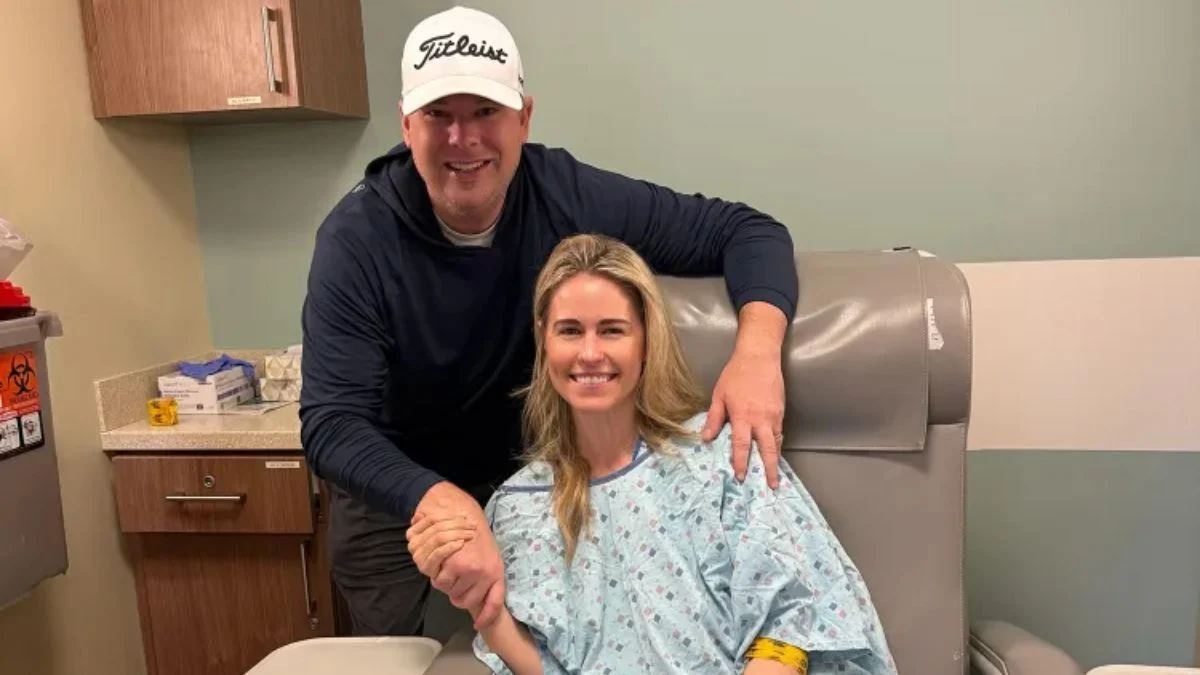

Life can change in a matter of moments, even for someone who appears to have everything going well. Country music singer, songwriter, and actress Jillian Cardarelli was celebrating personal milestones, creating new music, and preparing for upcoming projects when an unexpected medical diagnosis brought everything to a halt.
At just 33 years old, Cardarelli learned that she had stage 2 invasive ductal carcinoma, the most common form of breast cancer. What makes her story particularly powerful is that she did not fit the profile many people associate with breast cancer. She was young, healthy, had negative genetic testing, and no family history of breast cancer beyond her mother’s separate long-term stage 4 cancer battle.
Today, her journey is becoming more than a personal fight—it is a reminder for women everywhere that knowing your own body, trusting your instincts, and seeking medical attention when something feels different can make all the difference.
Jillian Cardarelli Breast Cancer Timeline: How a Normal Life Changed Within Weeks
| Date/Period | Event | Official Details |
| Age 25 | Routine monitoring begins | Dense fibrous breast tissue monitored through ultrasounds with no concerning findings. |
| Weeks before diagnosis | Early symptoms appear | Unusual fatigue and discovery of a lump within dense breast tissue. |
| May 21, 2026 | Diagnosis | Diagnosed with Stage 2 invasive ductal carcinoma. |
| Mid-June 2026 | Public announcement | Shared diagnosis publicly through interviews and social media. |
| Current treatment | Medical planning | Receiving treatment at Dana-Farber Cancer Institute in Boston with surgery expected first. |

The Small Changes That Led to Jillian Cardarelli’s Stage 2 Breast Cancer Diagnosis
For years, Cardarelli had been carefully monitoring her breast health because she had dense fibrous breast tissue. Since she was 25 years old, regular ultrasounds consistently showed no concerning abnormalities.
Everything appeared normal until subtle changes began appearing.
One of the earliest signs was something she initially struggled to explain—extreme fatigue. Normally describing herself as an “Energizer Bunny,” she suddenly found herself needing naps during a photoshoot, something completely out of character.
Soon afterward, she noticed a lump in an area already known to contain dense tissue.
At first, she questioned herself.
Was she imagining it?
Was she simply overthinking?
Rather than ignoring the feeling, Cardarelli trusted her instincts and scheduled a medical appointment.
That decision changed everything.
Doctors discovered a malignant tumor, leading to the shocking diagnosis of stage 2 invasive ductal carcinoma on May 21, 2026.
Why Jillian Cardarelli’s Breast Cancer Diagnosis Came as Such a Shock

The diagnosis was especially difficult because Cardarelli did not believe she fit the typical breast cancer profile.
She was only 33 years old.
She maintained a healthy lifestyle.
Her genetic testing had come back negative.
She had no family history of breast cancer beyond her mother’s separate long-term stage 4 battle.
She was also years younger than the age when routine mammogram screening typically begins, around age 40.
Only weeks earlier, life had been filled with celebration and excitement.
She had recently marked her fifth wedding anniversary with her husband, Brian Parker.
She was preparing to release new music, including her upcoming single, “Leave Me Tennessee.”
She was also getting ready for filming commitments.
Instead of focusing on music and acting, her days suddenly became consumed by medical appointments, scans, pathology reports, and conversations with specialists.

Inside Jillian Cardarelli’s Treatment Plan and Hopeful Outlook
As of mid-June 2026, shortly after publicly sharing her diagnosis, Cardarelli remained in the early stages of treatment planning.
Doctors continued reviewing test results to determine the most effective course of action.
Surgery is expected to be the first major step before physicians make decisions regarding additional treatments such as radiation therapy or chemotherapy.
She is receiving care at Dana-Farber Cancer Institute in Boston—the same medical center where her mother has also been treated.
Despite the frightening diagnosis, her doctors remain optimistic that the cancer can be completely eradicated, allowing her to live a long and healthy life.
Even while navigating countless appointments, Cardarelli has continued participating in selected professional commitments, including attending CMA Fest, while receiving strong encouragement from Great American Media and those closest to her.
The Emotional Impact: Fear, Anger, Shock, and an Unfair Reality
Beyond the medical diagnosis lies the emotional reality.
Cardarelli has openly described the weeks following her diagnosis as an overwhelming whirlwind.
She experienced fear.
Sadness.
Shock.
Anger.
She repeatedly questioned why something like this had happened to her when she seemingly had so few risk factors.
One of the most heartbreaking aspects of her journey has been watching her mother help guide her through cancer treatment.
Her mother has spent more than twelve years battling stage 4 cancer after an initial colon cancer diagnosis, with breast involvement referenced in some coverage.
Cardarelli has described the situation as deeply unfair, saying it is heartbreaking that her mother now has to help her navigate the same frightening world of cancer.
She has also admitted how disorienting everything has become.
“I don’t even know what day it is anymore,” she shared, explaining how quickly normal life disappeared beneath an entirely new language filled with medical terminology, appointments, and treatment discussions.

How Faith, Family, and Music Are Helping Jillian Cardarelli Move Forward
Despite the emotional weight of her diagnosis, Cardarelli continues to focus on resilience.
She says she is not angry with God.
Instead, she is leaning on her faith more than ever before.
Her husband, Brian Parker, has become what she describes as “my rock,” providing unwavering support throughout every appointment and decision.
Her family, friends, medical team, and professional community have also surrounded her with encouragement.
Her 2020 song “Strong,” which she co-wrote with Charles Esten as a tribute to her mother’s courage, now carries an entirely different personal meaning.
Today, those same lyrics reflect her own determination to face one of life’s greatest challenges.
Rather than looking months ahead, she says she is taking everything one step—or sometimes one minute—at a time.
Gratitude remains central to her outlook, even as cancer has challenged her “in every way imaginable.”
Why Jillian Cardarelli Wants Every Young Woman to Hear Her Story
One reason Cardarelli decided to publicly share her diagnosis is because she hopes another woman might recognize her own symptoms sooner.
She wants young women to:
- Know their own bodies.
- Trust their instincts.
- Speak up when something feels different.
- Advocate for additional testing if necessary.
- Never dismiss unusual physical changes.
She believes something positive can come from sharing her experience if it encourages even one person to seek medical care earlier.

Understanding Breast Cancer: Why Awareness Matters More Than Ever
Breast cancer remains the most common cancer diagnosed in women worldwide, excluding skin cancers.
The disease develops when breast cells begin growing uncontrollably, often forming tumors that may be detected through physical examination, imaging, or other noticeable changes.
The most common form is invasive ductal carcinoma, the same diagnosis Cardarelli received.
Several important facts highlight why awareness is so important:
- Approximately one in eight women in the United States will develop breast cancer during their lifetime.
- The median age at diagnosis is approximately 62 to 63 years.
- Around 10% of breast cancer cases occur before age 45.
- Breast cancer rates among women under 50 have been rising faster than among older women.
- It is the leading cause of cancer death among U.S. women aged 20 to 49.
- Younger women are often diagnosed later because routine screening typically begins around age 40, while denser breast tissue can make mammograms more difficult to interpret.
- Younger patients may also experience more aggressive forms of the disease and face higher recurrence risks.
Although well-known risk factors include age, genetics, family history, dense breast tissue, reproductive history, obesity, alcohol consumption, and hormone therapy, approximately 80% of breast cancer cases occur without major modifiable risk factors beyond age and gender.
That means breast cancer can develop even in women who appear to have few obvious risks.

The Important Lesson Every Woman Can Learn from Jillian Cardarelli’s Experience
Cardarelli’s story is a powerful reminder that breast cancer does not always follow expectations.
Youth, fitness, negative genetic testing, or the absence of a strong family history do not eliminate the possibility of developing the disease.
Knowing your body remains one of the most valuable tools for early detection.
Women should pay attention to lumps, persistent fatigue, skin changes, nipple changes, or any unusual symptoms and seek medical evaluation promptly. Those with dense breast tissue or higher individual risk may also discuss additional imaging, including ultrasounds or MRIs, with their healthcare providers.
Modern treatments—including surgery, radiation therapy, chemotherapy, and targeted therapies—continue to improve outcomes significantly, particularly when cancer is detected early. Delaying evaluation, however, can reduce treatment options and worsen outcomes. Differences in healthcare access and awareness also contribute to disparities in survival, making education and vigilance essential for every woman.
As Cardarelli continues her treatment journey, she remains focused on hope, gratitude, and purpose. Her diagnosis, first shared publicly in June 2026, is still in its early stages, and future updates regarding her treatment and recovery will emerge over time. For now, her message is clear: trust your instincts, advocate for your health, and never ignore changes that feel out of the ordinary. Her experience serves as both a deeply personal story of resilience and an important reminder that awareness and early action can save lives.


![YouTube Offers Millions to Keep Top Creators Exclusive as Netflix Moves In: “Deprioritizing [YouTube] as Their Primary Outlet”](https://i0.wp.com/backyarddrunkard.com/wp-content/uploads/2026/08/Zulfugar-Karimov-Pexels-Credit-.webp?fit=1024%2C576&ssl=1)


Leave a Reply