

A Global Mystery That Refuses to Fade:
Nearly a decade after the first unexplained cases emerged, Havana Syndrome—officially known as Anomalous Health Incidents (AHIs)—remains one of the most perplexing and controversial medical and national security mysteries of the modern era. What began as a handful of strange health complaints among U.S. diplomats in Havana, Cuba, has since expanded into a global phenomenon affecting more than 1,500 American officials and their families across at least 96 countries on every populated continent.
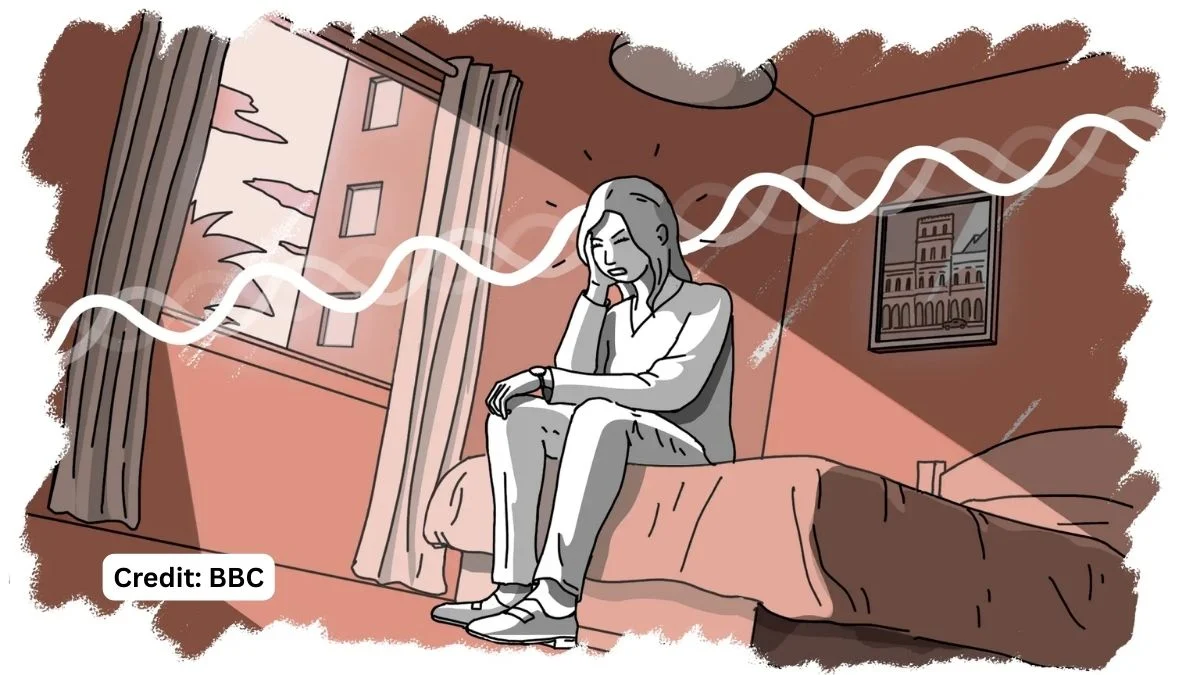
Despite years of investigations by intelligence agencies, scientists, and medical experts, there is still no definitive consensus on what causes Havana Syndrome. Victims describe sudden, debilitating symptoms that strike without warning, often accompanied by a high-pitched, directional noise or intense pressure sensation that stops only when they move away from a specific location. For many, the consequences have been life-altering.
As new revelations continue to surface—most notably the clandestine acquisition of a mysterious device by the U.S. government—the debate over whether Havana Syndrome is caused by directed energy weapons, environmental factors, or other explanations has reignited with renewed urgency.

In This Post:
What Is Havana Syndrome? Symptoms That Defy Easy Explanation
Havana Syndrome refers to a constellation of neurological and physical symptoms that appear suddenly and, in many cases, persist for years. While experiences vary, victims have consistently reported a recognizable pattern of distress that sets these incidents apart from ordinary illnesses.
Commonly Reported Symptoms Include:
- Severe headaches and intense head pressure
- Vertigo, dizziness, and loss of balance
- Nausea and vomiting
- Ringing, popping, or piercing sensations in the ears
- Cognitive difficulties, including memory loss and impaired concentration
- Insomnia and chronic fatigue
- Vision and hearing impairments
- Symptoms resembling traumatic brain injury, despite MRIs often showing no detectable structural damage
Many affected individuals describe the onset as instantaneous, often while performing routine activities—walking, sleeping, or working indoors. Several reported that the symptoms immediately subsided upon moving to another room or location, fueling speculation about an external trigger.
The Early Years: Havana, Cuba, and the First Alarms (2014–2016)
Although Havana Syndrome gained public attention in late 2016, some of the earliest suspected cases may date back to 2014. It was in Havana, however, that the phenomenon crystallized into a recognizable pattern.
U.S. Embassy staff in Cuba began reporting vertigo, extreme headaches, auditory sensations, and feelings akin to head trauma. Initially, investigators explored the possibility of sonic attacks, theorizing that sound-based weapons could explain the directional noise and ear-related symptoms. These early theories, while later questioned, set the tone for years of speculation.
A Worldwide Spread: From China to Europe and Beyond (2017–2020)
By 2017, reports of similar incidents began emerging far beyond Cuba. Cases appeared in China, India, Austria, Vietnam, Paris, Geneva, and Lithuania, among other locations.
Several incidents stood out:
- In 2017, former CIA officer Marc Polymeropoulos experienced symptoms while in Moscow, which he attributes to a directed attack.
- In 2020, a White House official was affected while walking their dog.
- In November 2020, two National Security Council members reported incidents—one occurring the day after the U.S. presidential election.
The sheer geographic diversity of cases raised disturbing questions. If Havana Syndrome had a single cause, how could it manifest so consistently across continents, political systems, and environments?

Government Response and the Havana Act
As the number of affected individuals grew, so did pressure on the U.S. government to respond. In 2021, President Joe Biden signed the Havana Act, authorizing compensation and support for victims.
Under the law, eligible individuals could receive payments of $180,000 or more. Yet many victims have stated that financial assistance did not translate into validation. Numerous affected officials reported struggling to obtain proper diagnoses, treatment, or acknowledgment, often paying out-of-pocket while feeling dismissed or marginalized by official narratives.
Conflicting Intelligence Assessments and Internal Divisions (2021–2023)
Official explanations continued to evolve—and fracture.
- In 2021, Russia denied any involvement.
- In 2022, an intelligence panel suggested that pulsed electromagnetic energy from an external source could explain some cases.
- That same year, then-Secretary of State Antony Blinken publicly stated that the White House remained stumped.
In 2023, a major U.S. intelligence assessment concluded it was “very unlikely” that a foreign adversary was responsible, attributing most cases to natural, environmental, or medical causes.
However, this conclusion was immediately challenged. A House Intelligence subcommittee interim report asserted that a foreign adversary was likely involved, accusing agencies of obstructing investigations and ignoring evidence.
New Evidence and Renewed Suspicion of Russia (2024)
In 2024, fresh controversy emerged when evidence surfaced suggesting a possible link to Russia’s GRU Unit 29155. Although Russia again dismissed the claims as “baseless accusations,” the allegations intensified scrutiny of earlier intelligence conclusions.
Adding to the debate, a senior Cuban researcher proposed that Havana Syndrome symptoms stem from various diseases rather than energy weapons, further highlighting the deep divisions within the scientific and intelligence communities.
January 2025: A Shift, But Not a Resolution

An updated intelligence review released in January 2025 reaffirmed that it was “very unlikely” that Havana Syndrome was caused by a foreign actor. However, the report contained a critical nuance: two agencies assessed a “roughly even chance” that a foreign adversary used a novel weapon in a subset of cases.
The Office of the Director of National Intelligence (ODNI) initiated a review of prior investigations. DNI Tulsi Gabbard pledged transparency while emphasizing the need for accuracy over speed, delaying the public release of findings.
The Secret Acquisition That Changed the Conversation

In late 2024, during the final weeks of the Biden administration, the U.S. government clandestinely acquired a device that would dramatically reshape the Havana Syndrome debate.
The acquisition was conducted through an undercover operation by Homeland Security Investigations (HSI), a division of the Department of Homeland Security, with funding from the Pentagon. Officials reportedly paid an “eight-figure” sum, meaning at least $10 million, though exact figures remain classified.
Sources suggest multiple possible origins for the device:
- It may have been seized during a U.S. Special Forces operation
- One account claims it was captured by Delta Force during a raid
- Another links it to a Venezuelan security guard’s description of a similar weapon allegedly used against forces loyal to Nicolás Maduro
The device is now under the Pentagon’s Intelligence & Security unit, amid concerns that similar technology may have proliferated to multiple countries, posing ongoing risks to U.S. personnel worldwide.
Inside the Device: A Portable Directed Energy Weapon?
According to descriptions from sources, the device is portable and backpack-sized, addressing a long-standing question: how could a weapon capable of causing such effects be used covertly?
The device emits pulsed radio-frequency energy, a form of directed energy long theorized as a possible cause of Havana Syndrome. While not entirely of Russian origin, it reportedly contains Russian components, reigniting speculation about GRU involvement.
Victims and investigators describe its effects as resembling an “intense sound wave” that can cause:
- Sensations of the head exploding
- Nosebleeds
- Vomiting, including blood
- Loss of bowel control
- Temporary immobility
The weapon is classified as less-than-lethal, potentially intended for crowd control or targeted incapacitation. Historical parallels include a 1990s Russian high-power microwave generator, believed to share technological similarities with modern mobile units.
Pentagon Testing and Congressional Briefings
For over a year, the Pentagon has been testing the device to determine whether it can replicate Havana Syndrome symptoms. While results remain classified, findings were briefed to House and Senate Intelligence Committees in late 2025, reigniting internal debates.
The CIA, Pentagon, DHS, and ODNI have largely declined public comment, further fueling speculation.
Victims, Skepticism, and a Deepening Rift
For many victims, the existence of such a device represents long-awaited validation.
Marc Polymeropoulos stated that if such devices exist, the CIA owes victims “a fking major and public apology”**, arguing that prior assessments were flawed because they assumed no such technology existed. National security attorney Mark Zaid, representing dozens of victims, confirmed that the U.S. possesses similar devices from multiple sources and urged full disclosure.
Yet skepticism persists. Official assessments continue to emphasize natural explanations, and internal resistance within the ODNI—reportedly including CIA Director John Ratcliffe and DOD Under Secretary Bradley Hansell—has slowed the release of new findings.
Victims increasingly say they feel “gaslit”, caught between official denials and mounting circumstantial evidence.
The Broader Implications: Proliferation and Accountability
Beyond individual cases, Havana Syndrome raises alarming questions about technology proliferation. Reports indicate that Israel requested similar devices in 2018 for crowd control—a request the U.S. denied. Speculation also links such technology to operations like the Maduro raid.
While online platforms like X amplify more extreme theories, mainstream reporting continues to focus on substantiated evidence and institutional accountability.

A Mystery Still Unfolding
Nearly ten years on, Havana Syndrome remains unresolved—a collision of medicine, intelligence, technology, and human cost. As classified reviews continue and pressure mounts for transparency, the truth may yet emerge. Until then, the victims wait, and the world watches, as one of the most enigmatic health and security crises of the 21st century continues to unfold.


Leave a Reply